











Understanding the Functionality and Importance of Negative Ion Detectors
2026-05-19
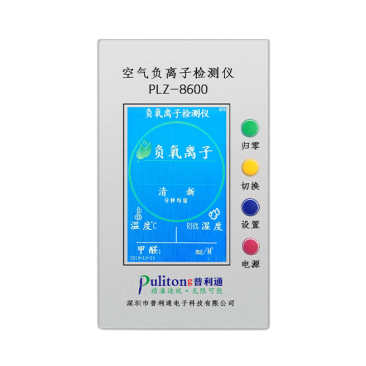
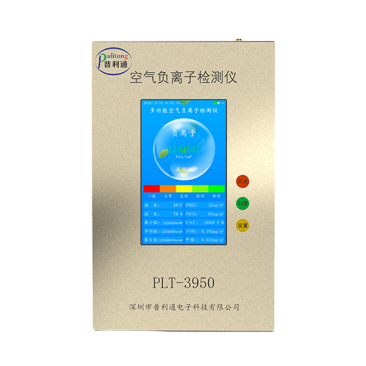
Negative ion detectors are specialized instruments designed to measure the concentration of negative ions in the air. Negative ions, which are atoms or molecules that have gained one or more electrons, are naturally occurring in various environments, particularly near waterfalls, forests, and during thunderstorms. The presence of these ions is often associated with improved air quality and enhanced well-being, making their detection crucial for environmental studies and health assessments.
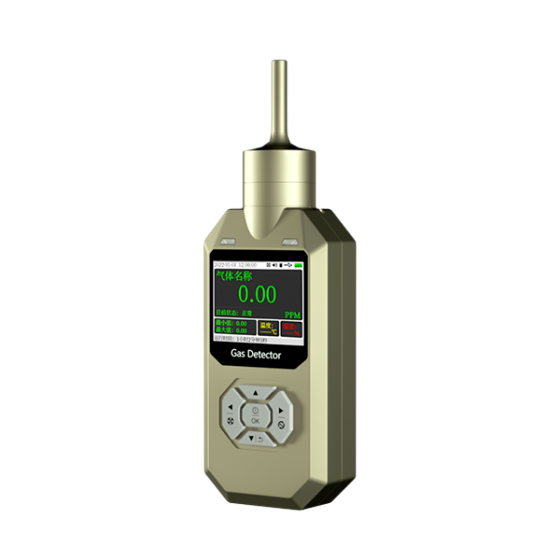
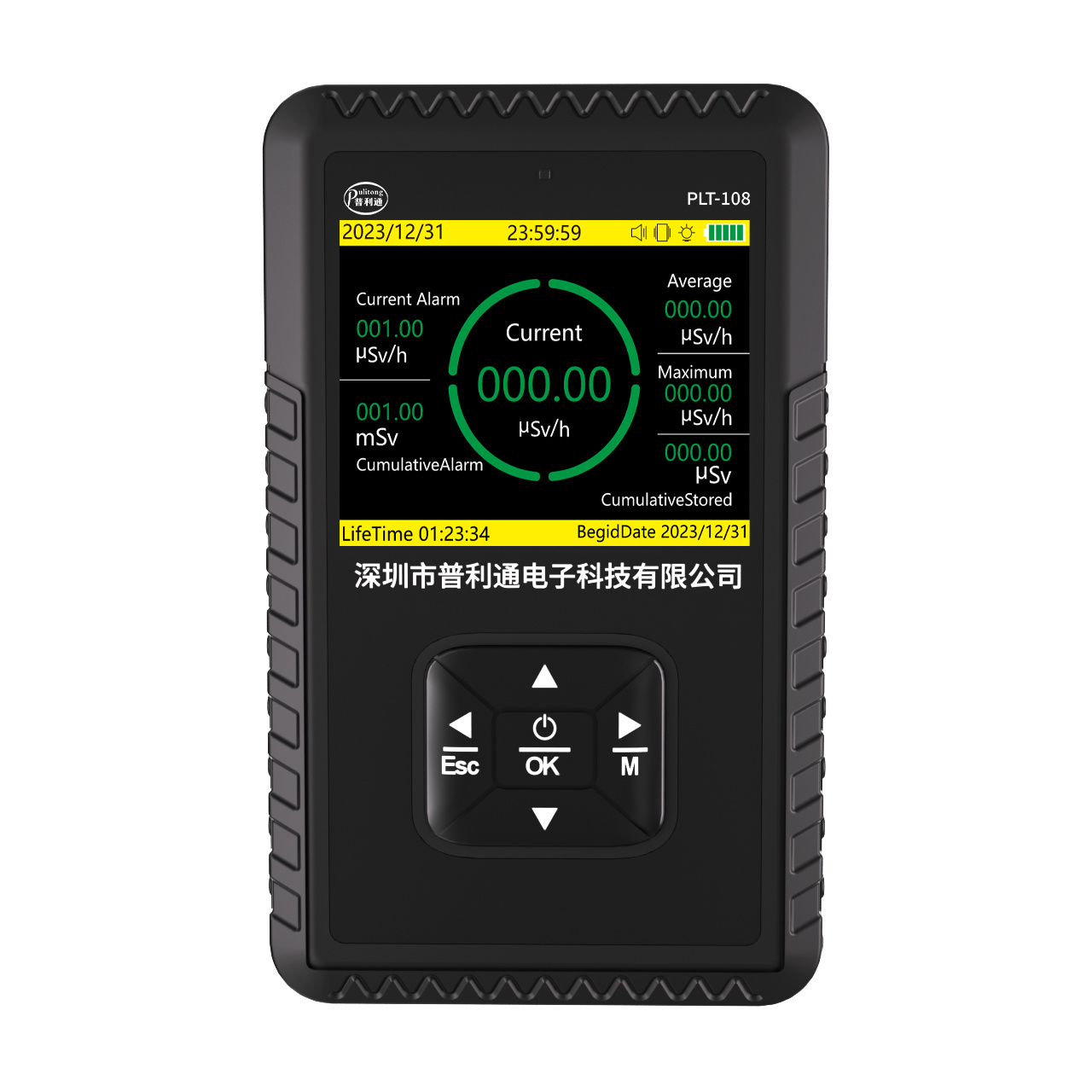
The primary function of a negative ion detector is to quantify the concentration of negative ions in a specific volume of air. These detectors typically operate using advanced sensing technologies, which may include ion mobility spectrometry or electrostatic methods. The choice of technology directly influences the detector's sensitivity, accuracy, and response time. Many negative ion detectors can provide real-time data, allowing for immediate assessment of air quality.
Applications of negative ion detectors span various fields, including environmental monitoring, indoor air quality assessment, and health-related research. In environmental monitoring, these devices help researchers understand the natural variations in negative ion concentrations across different ecosystems. High levels of negative ions are often found in clean, outdoor environments, while urban areas tend to have lower concentrations, which can correlate with increased pollution levels.
In indoor settings, negative ion detectors can play a vital role in assessing air quality in residential and commercial buildings. The presence of negative ions indoors may indicate the effectiveness of air purification systems or the need for improvements in ventilation. Some studies suggest that higher levels of negative ions can contribute to reduced stress, improved mood, and enhanced cognitive function, which has spurred interest in their role within wellness and health contexts.
Moreover, negative ion detectors can assist in research related to respiratory health. By studying the correlation between negative ion concentrations and respiratory conditions, researchers can gain insights into how air quality influences health outcomes. This information is particularly valuable in developing strategies to improve air quality and, consequently, public health.
In conclusion, negative ion detectors are essential tools for understanding air quality and its implications for health and the environment. As awareness of air quality issues continues to rise, these detectors will play an increasingly important role in both research and practical applications. Their ability to provide real-time data on negative ion concentrations not only enhances our understanding of environmental conditions but also helps in promoting healthier living spaces. By exploring the functionality and applications of negative ion detectors, stakeholders can better appreciate their significance in today’s world.
The primary function of a negative ion detector is to quantify the concentration of negative ions in a specific volume of air. These detectors typically operate using advanced sensing technologies, which may include ion mobility spectrometry or electrostatic methods. The choice of technology directly influences the detector's sensitivity, accuracy, and response time. Many negative ion detectors can provide real-time data, allowing for immediate assessment of air quality.
Applications of negative ion detectors span various fields, including environmental monitoring, indoor air quality assessment, and health-related research. In environmental monitoring, these devices help researchers understand the natural variations in negative ion concentrations across different ecosystems. High levels of negative ions are often found in clean, outdoor environments, while urban areas tend to have lower concentrations, which can correlate with increased pollution levels.
In indoor settings, negative ion detectors can play a vital role in assessing air quality in residential and commercial buildings. The presence of negative ions indoors may indicate the effectiveness of air purification systems or the need for improvements in ventilation. Some studies suggest that higher levels of negative ions can contribute to reduced stress, improved mood, and enhanced cognitive function, which has spurred interest in their role within wellness and health contexts.
Moreover, negative ion detectors can assist in research related to respiratory health. By studying the correlation between negative ion concentrations and respiratory conditions, researchers can gain insights into how air quality influences health outcomes. This information is particularly valuable in developing strategies to improve air quality and, consequently, public health.
In conclusion, negative ion detectors are essential tools for understanding air quality and its implications for health and the environment. As awareness of air quality issues continues to rise, these detectors will play an increasingly important role in both research and practical applications. Their ability to provide real-time data on negative ion concentrations not only enhances our understanding of environmental conditions but also helps in promoting healthier living spaces. By exploring the functionality and applications of negative ion detectors, stakeholders can better appreciate their significance in today’s world.
Related Info
Combustible gas alarm maintenance
2020-07-03
2021-01-14







WhatsApp: