

















How to Create a Comprehensive Gas Detection Safety Plan for Your Workplace
2026-04-24
How to Create a Comprehensive Gas Detection Safety Plan for Your Workplace
Table of Contents
- Understanding the Importance of Gas Detection in the Workplace
- Identifying Potential Gas Hazards
- Regulatory Compliance and Standards
- Developing a Gas Detection Safety Plan
- Selecting the Right Gas Detection Equipment
- Training and Education for Employees
- Creating an Emergency Response Plan
- Regular Maintenance and Testing of Gas Detection Systems
- Conclusion
- FAQs
Understanding the Importance of Gas Detection in the Workplace
Gas detection is crucial in various industries, including manufacturing, mining, oil and gas, and wastewater treatment. The presence of hazardous gases, such as carbon monoxide, methane, or hydrogen sulfide, can lead to severe health risks, including respiratory issues, explosions, or even fatalities. Therefore, establishing a comprehensive gas detection safety plan is not merely a regulatory requirement; it is a fundamental aspect of ensuring employee safety and operational efficiency.
A well-executed gas detection safety plan helps to identify gas leaks promptly, reducing the risk of catastrophic incidents. Furthermore, it equips employees with the knowledge and tools needed to respond effectively in case of a gas exposure scenario.
Identifying Potential Gas Hazards
The first step in creating a gas detection safety plan involves identifying potential gas hazards present in the workplace. This process includes:
Assessing Work Environments
Conduct a thorough assessment of all areas within the workplace, considering factors such as:
- **Equipment used**: Identify machinery that may produce or emit gases.
- **Processes involved**: Consider chemical processes that could release hazardous gases.
- **Historical data**: Review any past incidents related to gas leaks or exposure.
Engaging Employees
Encourage employees to share their insights regarding potential gas hazards they might have encountered. Their first-hand experiences can provide invaluable information to identify risks that may not be immediately apparent.
Regulatory Compliance and Standards
Compliance with local, state, and federal regulations is essential when establishing a gas detection safety plan. Familiarize yourself with the relevant regulations and standards, such as the Occupational Safety and Health Administration (OSHA) guidelines and the National Fire Protection Association (NFPA) standards.
Understanding Threshold Limit Values (TLVs)
TLVs are established by organizations like the American Conference of Governmental and Industrial Hygienists (ACGIH) and indicate the maximum concentration of a substance to which workers can be exposed without adverse effects. Ensure your gas detection safety plan considers these values when designing monitoring protocols.
Developing a Gas Detection Safety Plan
Creating a gas detection safety plan involves several critical steps that ensure the safety and wellbeing of all employees.
Setting Clear Objectives
Define the objectives of your gas detection safety plan. Objectives may include:
- Reducing the risk of gas-related incidents.
- Ensuring compliance with regulatory standards.
- Providing adequate training for employees.
Establishing Procedures
Develop clear, step-by-step procedures for detecting, reporting, and responding to gas leaks. Consider incorporating:
- Regular monitoring schedules.
- Protocols for inspecting gas detection equipment.
- Reporting channels for employees to report suspected gas leaks.
Selecting the Right Gas Detection Equipment
Choosing the appropriate gas detection equipment is crucial to the effectiveness of your safety plan. Factors to consider include:
Types of Gas Detection Equipment
There are various types of gas detection equipment available, including:
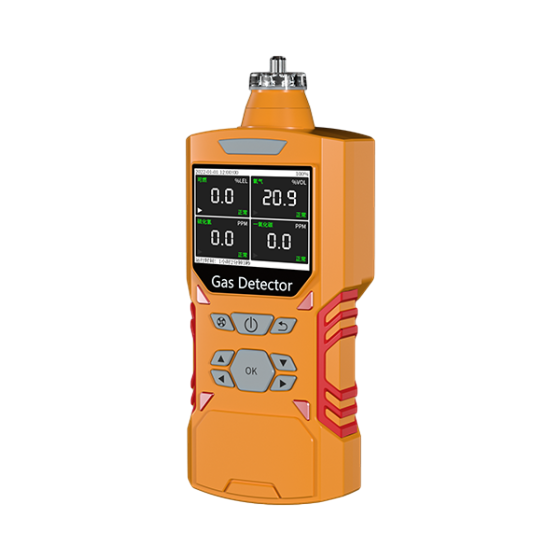
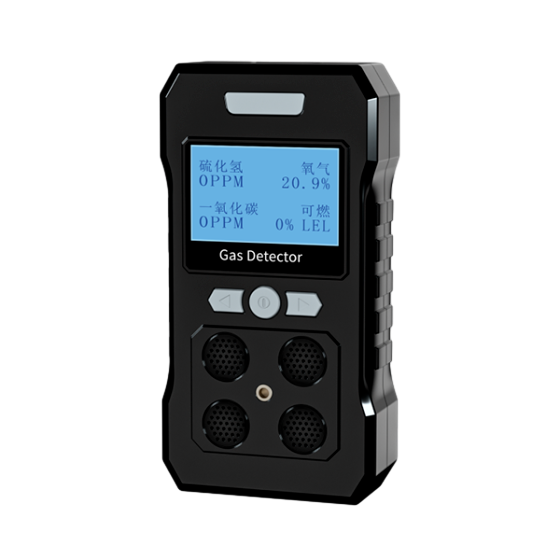
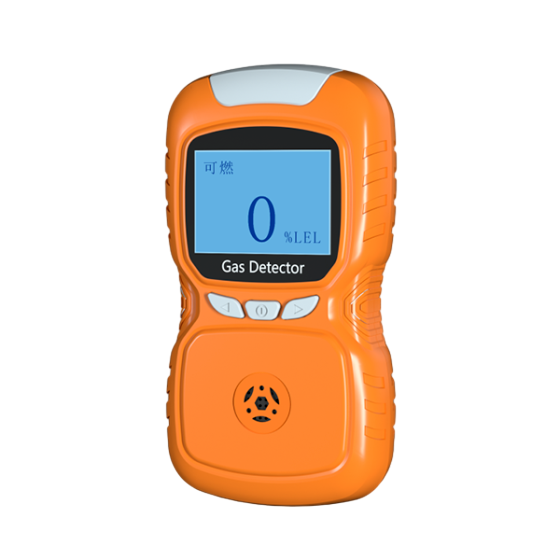
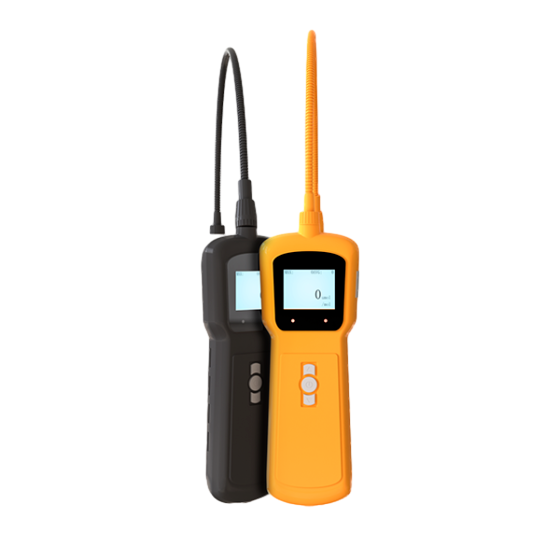
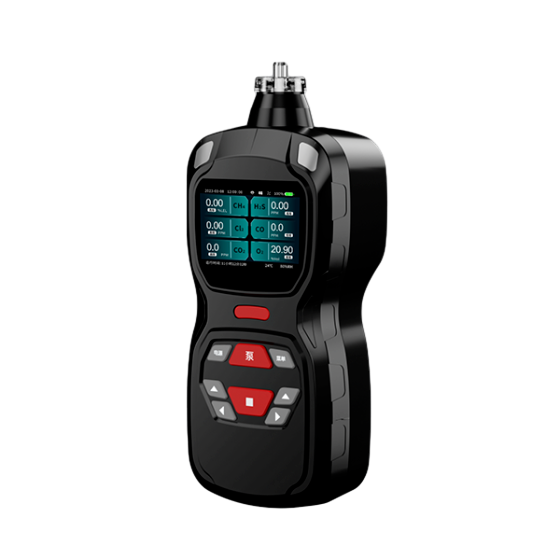
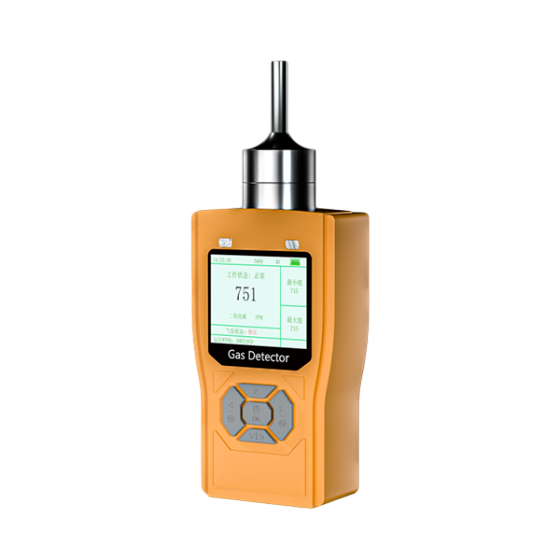
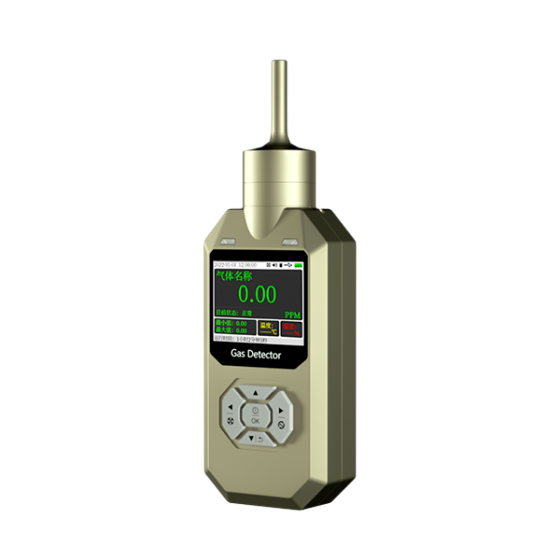
- **Portable gas detectors**: Ideal for spot-checking and personal safety.
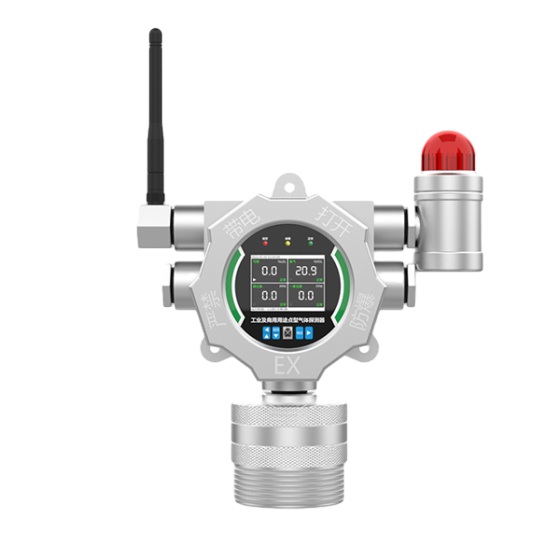
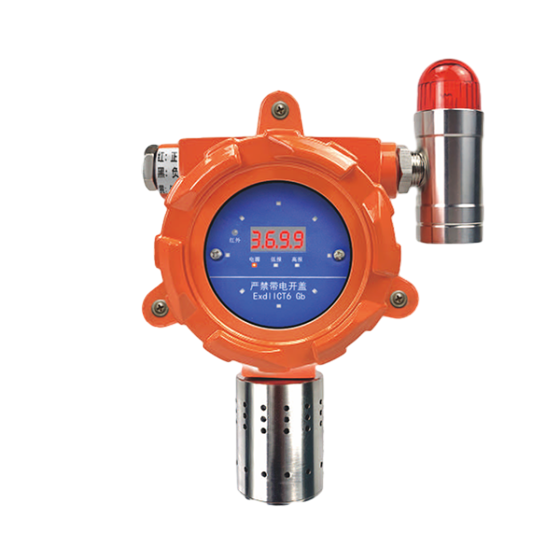
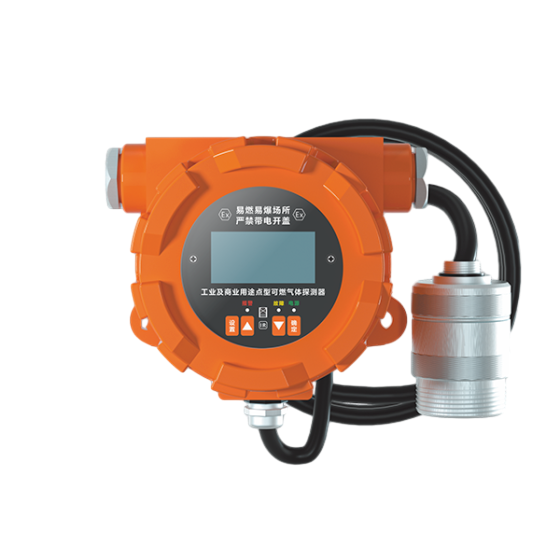
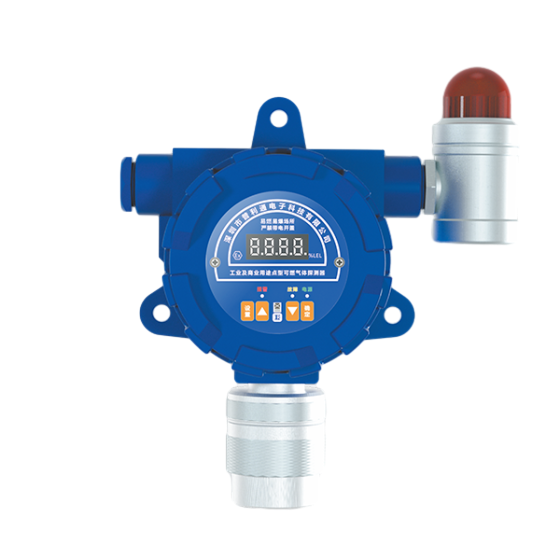
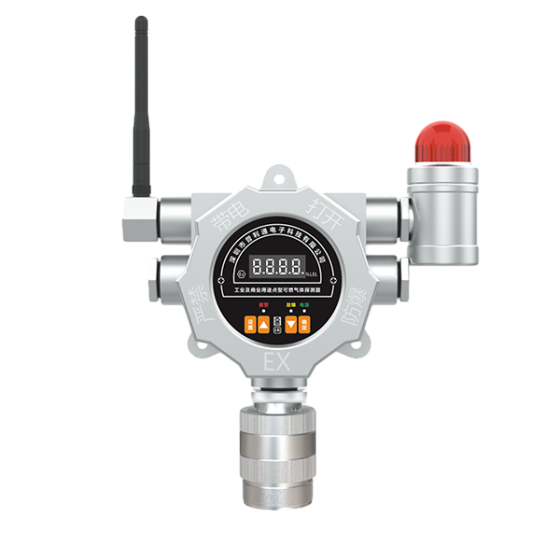
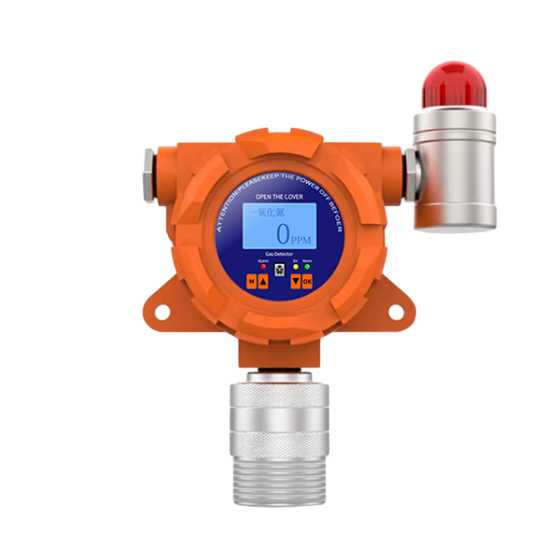
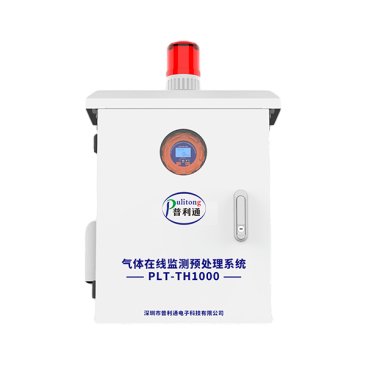
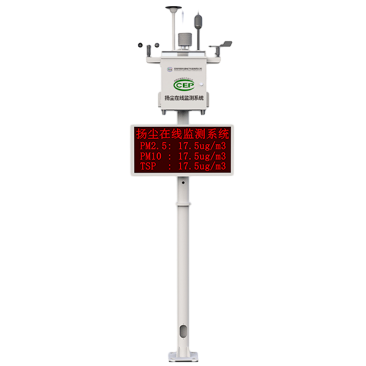
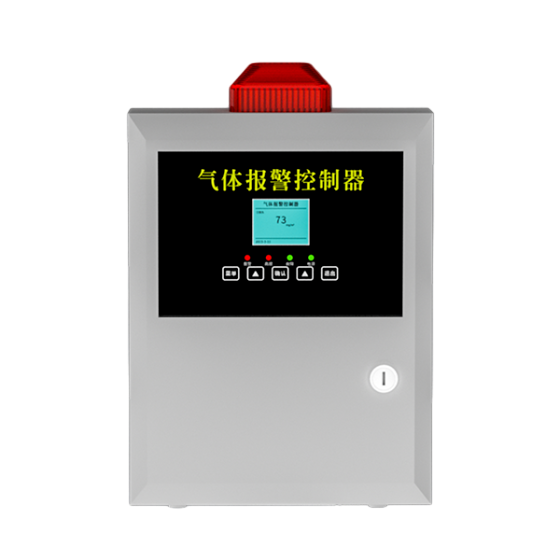
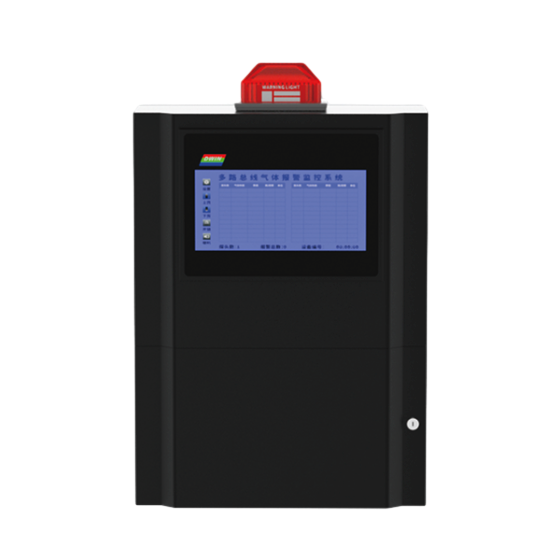
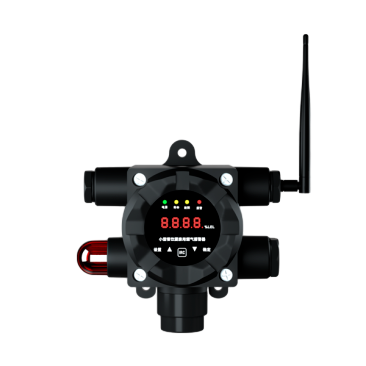
- **Fixed gas detection systems**: These provide continuous monitoring in designated areas.
- **Multi-gas detectors**: Capable of detecting multiple gases simultaneously, offering comprehensive coverage.
Calibration and Sensitivity
Select equipment that can be easily calibrated and ensures accurate readings. Sensitivity plays a vital role in detecting low-level gas concentrations that may pose risks.
Training and Education for Employees
Effective training is a cornerstone of any gas detection safety plan.
Creating a Training Program
Develop a comprehensive training program covering:
- Types of gases and their associated risks.
- Usage and maintenance of gas detection equipment.
- Emergency response protocols in case of a gas leak.
Regular Refresher Training
Conduct regular refresher training sessions to keep employees updated on new procedures, equipment, or regulatory changes. Ensure that all new hires undergo training as part of their onboarding process.
Creating an Emergency Response Plan
An effective gas detection safety plan must incorporate a detailed emergency response plan. This plan should outline:
Immediate Actions During a Gas Leak
Define the immediate steps employees should take if they suspect a gas leak, including:
- Evacuating the area.
- Alerting emergency response teams.
- Communicating with coworkers about the situation.
Post-Incident Procedures
Establish procedures for investigating gas leaks, reporting incidents, and implementing corrective measures to prevent future occurrences.
Regular Maintenance and Testing of Gas Detection Systems
To ensure the effectiveness of your gas detection systems, regular maintenance and testing are essential.
Inspection Protocols
Create a schedule for inspecting gas detection equipment, including:
- Routine checks to ensure functionality.
- Calibration of devices to maintain accuracy.
- Replacement of sensors as necessary.
Documentation of Maintenance Activities
Keep detailed records of maintenance activities to ensure compliance with regulations and to identify any trends or issues with the gas detection systems.
Conclusion
Creating a gas detection safety plan is a vital step toward ensuring workplace safety in environments where hazardous gases may be present. By understanding the importance of gas detection, identifying potential hazards, complying with regulations, selecting appropriate equipment, training employees, and establishing clear procedures, organizations can significantly reduce the risks associated with gas exposure. Regular maintenance and a robust emergency response plan will further enhance safety measures, allowing employees to work confidently and securely.
FAQs
1. What is a gas detection safety plan?
A gas detection safety plan is a comprehensive framework designed to identify, monitor, and respond to potential gas hazards in the workplace, ensuring employee safety and compliance with regulatory standards.
2. Why is it essential to detect gases in the workplace?
Detecting gases is crucial for preventing health risks, accidents, and fatalities associated with gas exposure. It helps maintain a safe working environment and protects employees from harmful effects.
3. How often should gas detection equipment be inspected?
Gas detection equipment should be inspected regularly, typically on a monthly basis, with more frequent checks in high-risk areas. Calibration should also be performed as recommended by the manufacturer.
4. What types of gases should be monitored in the workplace?
Common gases to monitor include carbon monoxide, hydrogen sulfide, methane, ammonia, and volatile organic compounds (VOCs). The specific gases to monitor will depend on the nature of the work and the materials used.
5. What should employees do if they suspect a gas leak?
Employees should evacuate the area immediately, alert others, and notify emergency response teams. They should avoid using electrical equipment or open flames and wait for professional assistance.
Related Info




WhatsApp: