












Choosing the Right Gas for Your Pump Suction Single Gas Detector: A Comprehensive Guide
2026-05-04
Choosing the Right Gas for Your Pump Suction Single Gas Detector
In the world of environmental monitoring, selecting the appropriate gas for your pump suction single gas detector is paramount. Whether you're working in industrial settings, laboratories, or environmental research, understanding the nuances of different gases and their detection methods can greatly enhance safety and efficiency. This guide offers an in-depth exploration of the factors influencing your gas selection, ensuring you have all the information needed to make an informed choice.
Table of Contents
- 1. Understanding Pump Suction Single Gas Detectors
- 2. The Importance of Gas Selection
- 3. Types of Gases Detected by Pump Suction Devices
- 3.1. Flammable Gases
- 3.2. Toxic Gases
- 3.3. Asphyxiants
- 4. Key Considerations for Gas Selection
- 4.1. Chemical Properties of Gases
- 4.2. Environmental Conditions
- 4.3. Detector Specifications
- 5. Safety Protocols When Using Gas Detectors
- 6. Maintenance and Calibration of Gas Detectors
- 7. Common Mistakes in Gas Selection
- 8. FAQs About Gas Detection
- 9. Conclusion
1. Understanding Pump Suction Single Gas Detectors
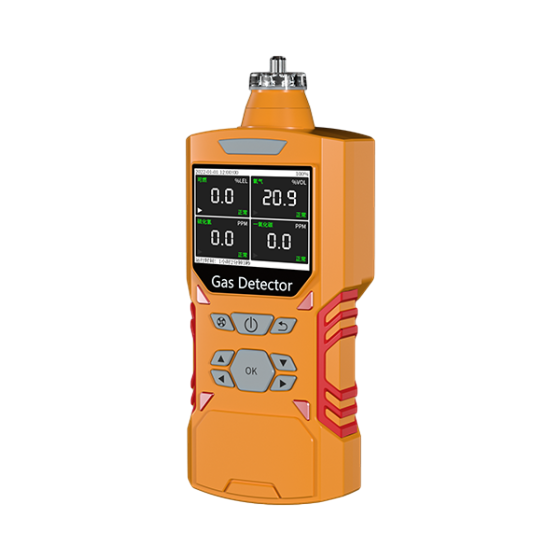
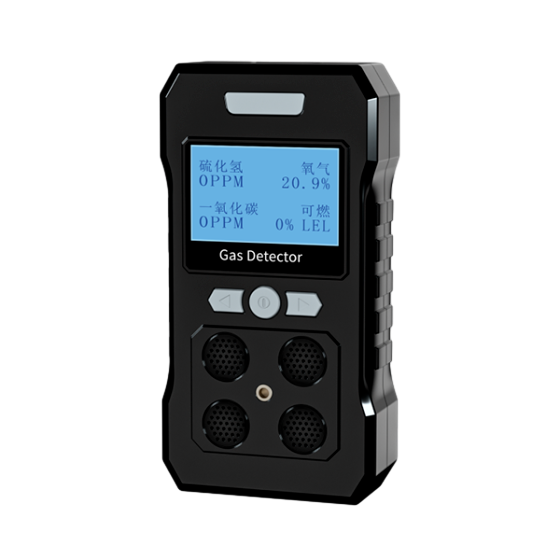
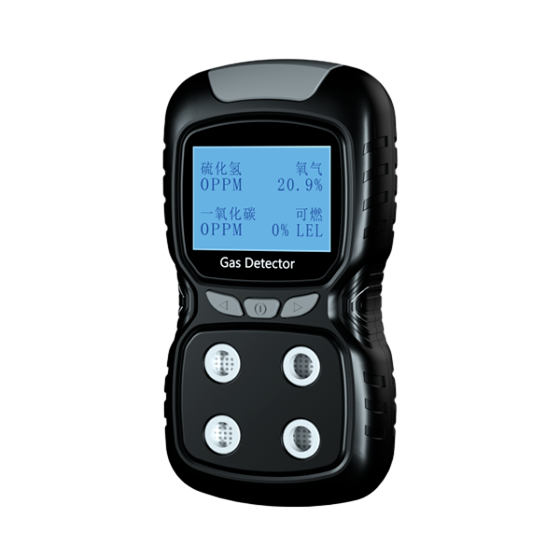
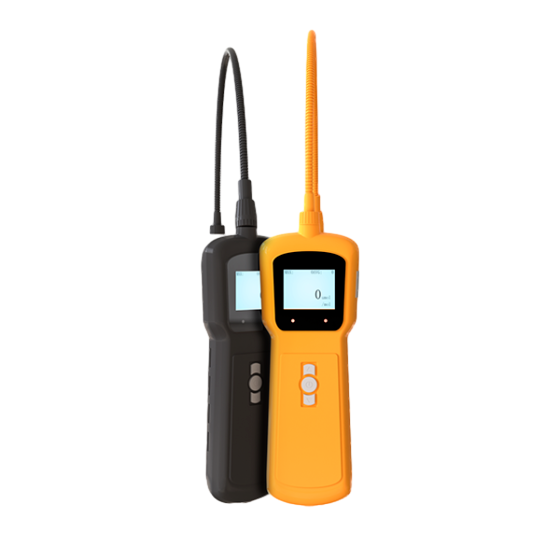
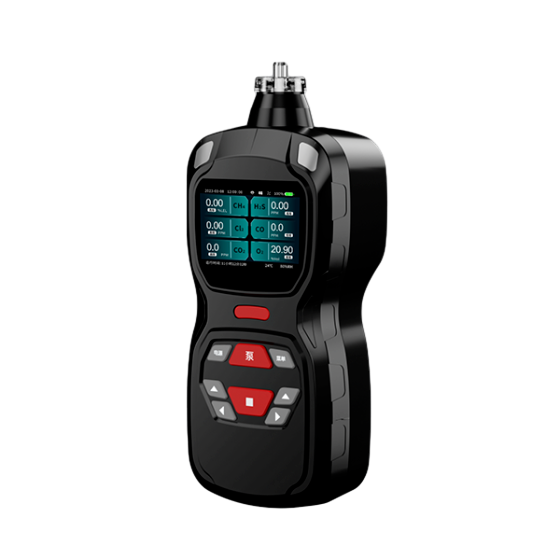
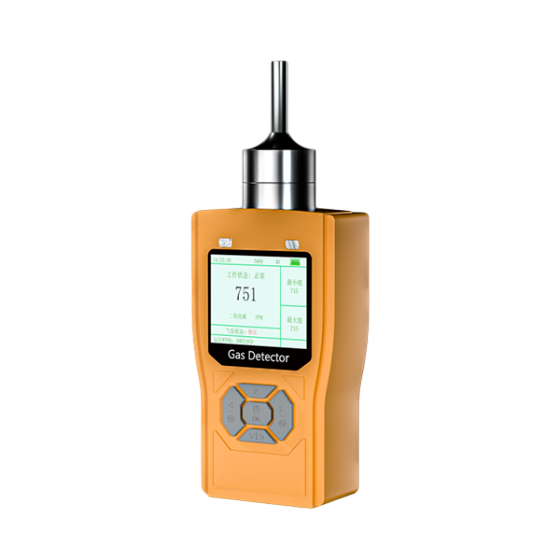
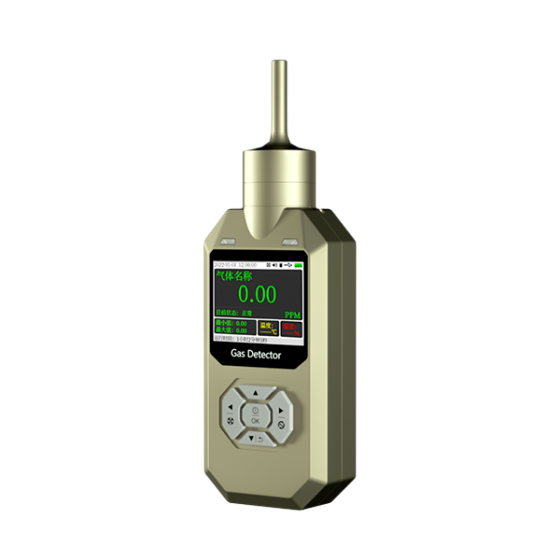
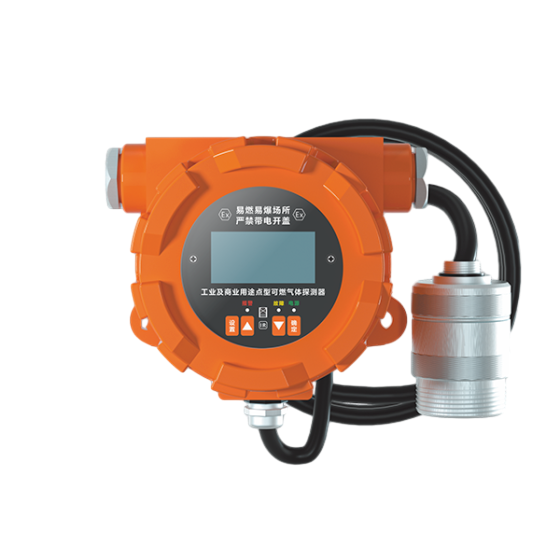
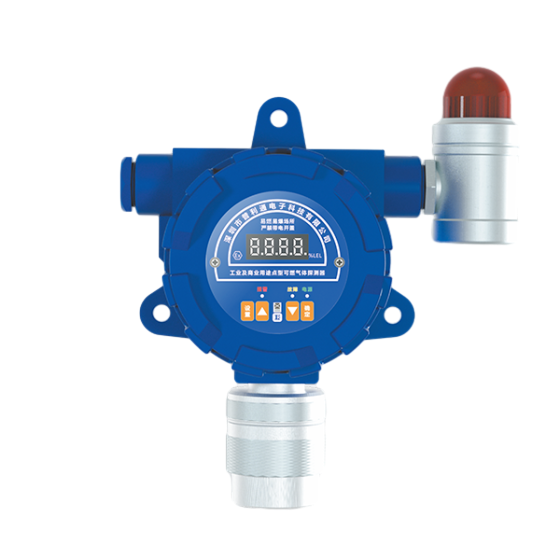
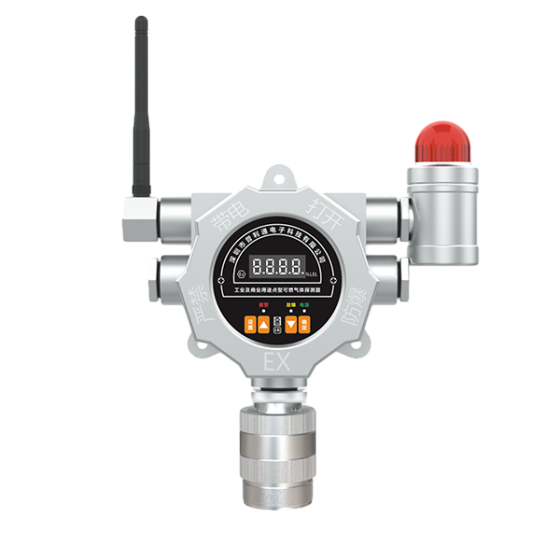
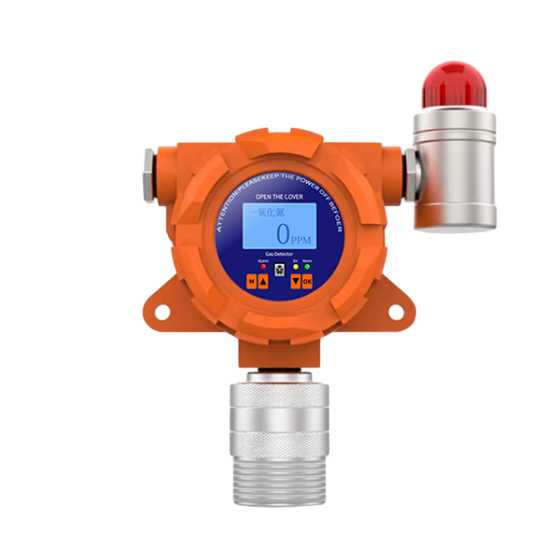
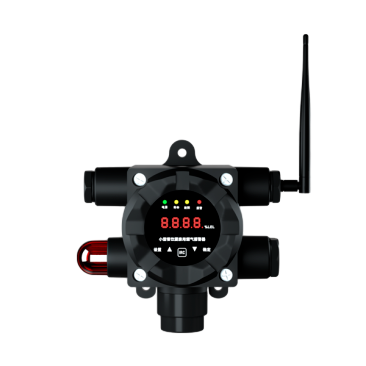
A pump suction single gas detector is a specialized device designed to identify specific gases in the environment. These detectors utilize a pump mechanism to draw air samples into the unit, where sensors analyze the gas composition. Their primary function is to ensure safety by detecting hazardous gases before they reach dangerous levels. Understanding the operation and functionality of these detectors is crucial for effective gas monitoring.
2. The Importance of Gas Selection
Choosing the correct gas for your pump suction single gas detector directly influences the accuracy and reliability of gas detection. Each gas presents unique characteristics and risks, making it essential to match the detector with the specific gas you intend to monitor. This selection process is vital for maintaining a safe working environment and ensuring compliance with regulatory standards.
3. Types of Gases Detected by Pump Suction Devices
3.1. Flammable Gases
Flammable gases pose significant risks in industrial settings. Common examples include methane, propane, and hydrogen. Detecting these gases early can prevent explosions and fires. It is essential to use detectors equipped to identify flammable gas concentrations accurately.
3.2. Toxic Gases
Toxic gases, such as carbon monoxide, ammonia, and chlorine, require careful monitoring due to their harmful effects on human health. These gases can lead to serious health complications or even fatalities. Selecting a pump suction gas detector that specializes in toxic gas detection is crucial for ensuring workplace safety.
3.3. Asphyxiants
Asphyxiants like nitrogen, argon, and carbon dioxide can displace oxygen in confined spaces, leading to suffocation risks. Gas detectors must be able to monitor oxygen levels and alert personnel when asphyxiant levels become dangerous.
4. Key Considerations for Gas Selection
Selecting the right gas involves multiple factors that must be carefully evaluated.
4.1. Chemical Properties of Gases
Understanding the chemical properties of the gases you are monitoring is vital. Factors like molecular weight, density, and flammability will affect how gases disperse and behave in the environment. This knowledge will aid in selecting the appropriate detector for your specific needs.
4.2. Environmental Conditions
Environmental factors such as temperature, humidity, and pressure can influence gas detection. Some detectors may perform better in certain conditions and fail in others. Therefore, it's essential to consider these variables when choosing your gas detector.
4.3. Detector Specifications
Each pump suction detector comes with its specifications, including detection range, sensitivity, and response time. Understanding these specifications can help you select a gas detector that meets your operational needs and provides accurate readings.
5. Safety Protocols When Using Gas Detectors
Safety protocols are paramount when operating gas detectors. Training personnel on the correct use of detectors and emergency procedures is essential. Regular safety drills and updates on potential gas hazards can greatly enhance workplace safety. Always ensure that gas detectors are functioning correctly and are calibrated regularly to maintain accuracy.
6. Maintenance and Calibration of Gas Detectors
To guarantee the longevity and reliability of your pump suction single gas detector, regular maintenance is necessary. This includes routine inspections, cleaning, and recalibrating the device according to the manufacturer’s guidelines. Consistent maintenance ensures that your detector remains effective and accurate over time.
7. Common Mistakes in Gas Selection
When selecting gases for monitoring, it is easy to make mistakes that can compromise safety. Common errors include:
- Not considering the full range of gases present in the environment.
- Ignoring the chemical properties of the gases.
- Neglecting environmental conditions that can affect gas behavior.
Being aware of these pitfalls can help in making informed decisions when selecting the right gas detector.
8. FAQs About Gas Detection
1. What is a pump suction single gas detector?
A pump suction single gas detector is a device that uses a pump mechanism to draw air samples into its sensors to detect specific gases and ensure safety in various environments.
2. How do I choose the right gas for my detector?
Consider the types of gases present in your environment, their chemical properties, detector specifications, and environmental conditions before making a selection.
3. What maintenance do gas detectors require?
Regular maintenance includes inspections, cleaning, and recalibrating the detector to ensure it functions accurately and reliably.
4. Why is calibration important?
Calibration ensures that the gas detector provides accurate readings, which is essential for maintaining safety and compliance with regulations.
5. What are the risks of using the wrong gas detector?
Using an inappropriate gas detector can lead to inaccurate readings, resulting in unsafe conditions and potential health hazards for personnel.
9. Conclusion
Choosing the right gas for your pump suction single gas detector is a critical decision that demands careful consideration of various factors. By understanding the types of gases, their properties, environmental conditions, and the specifications of your detector, you can significantly enhance safety in your working environment. Regular maintenance and adherence to safety protocols further ensure that your gas detection systems operate effectively. Armed with this comprehensive knowledge, you are now better equipped to select the appropriate gas for your detection needs and uphold safety standards in your operations.
Related Info
Combustible gas alarm maintenance
2020-07-03
2021-01-14




WhatsApp: