


















Understanding the Importance of Single Gas Detectors in Environmental Monitoring
2026-05-13
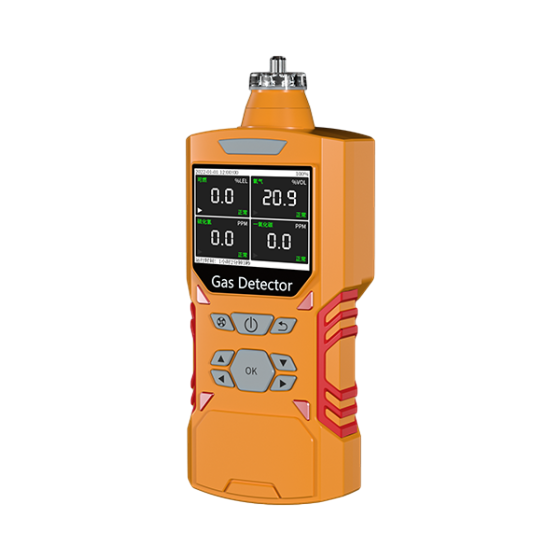
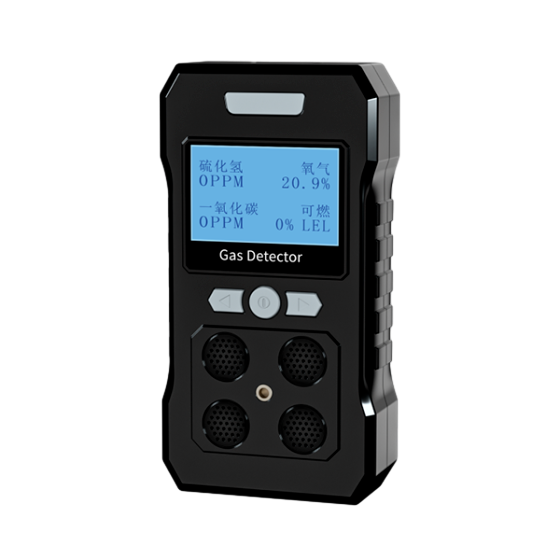
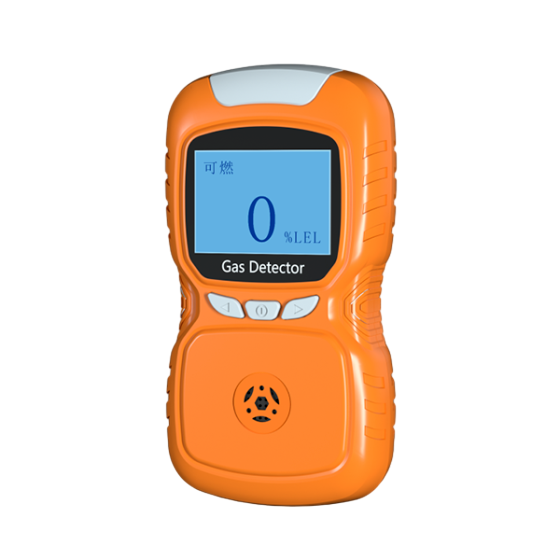
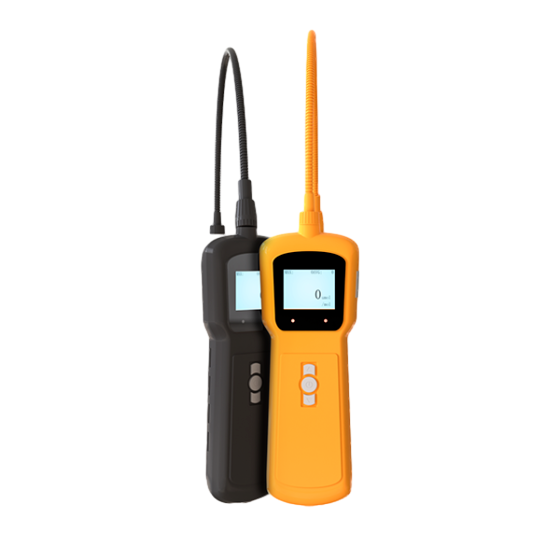
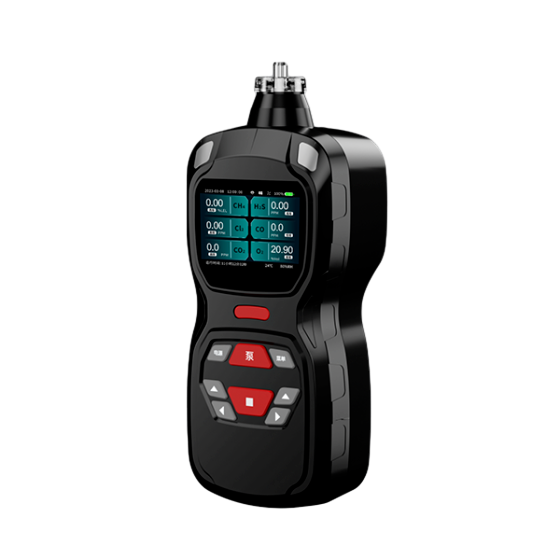
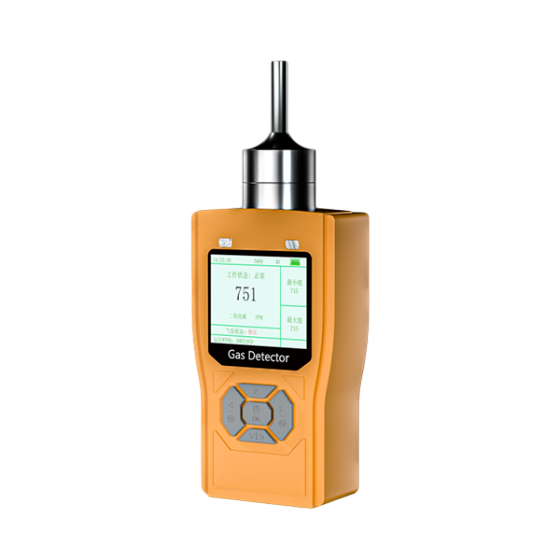
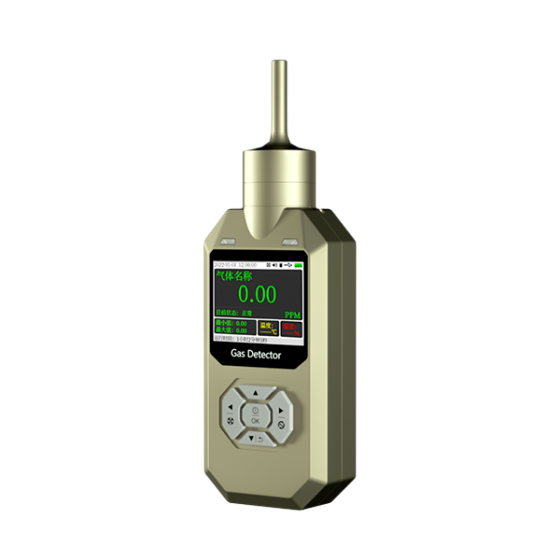
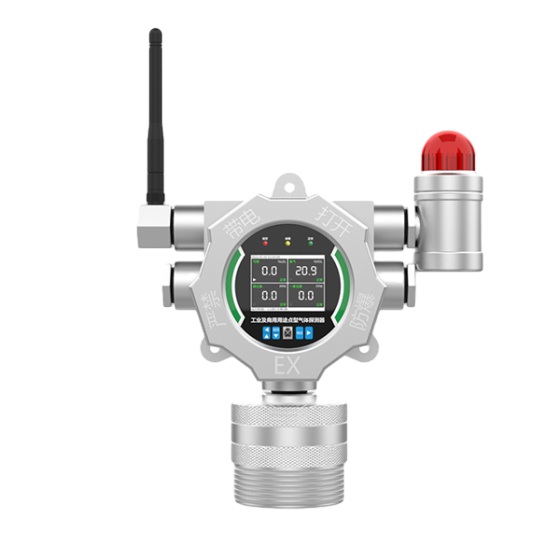
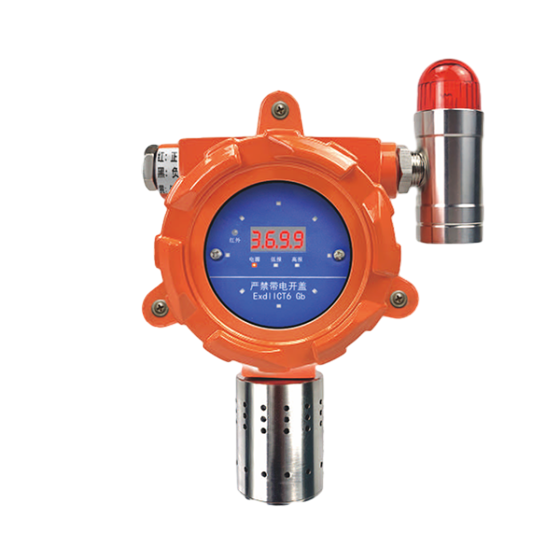
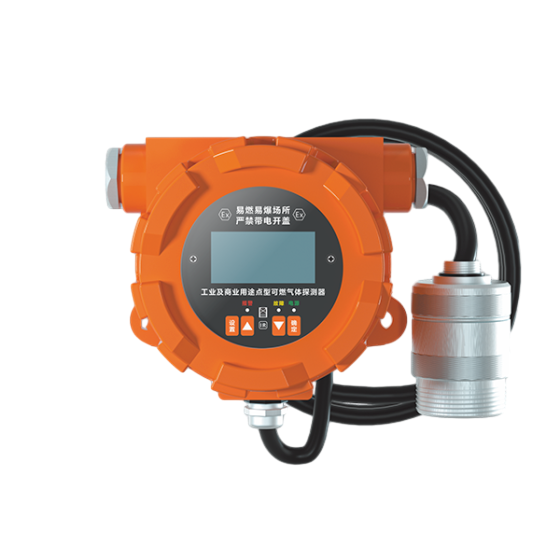
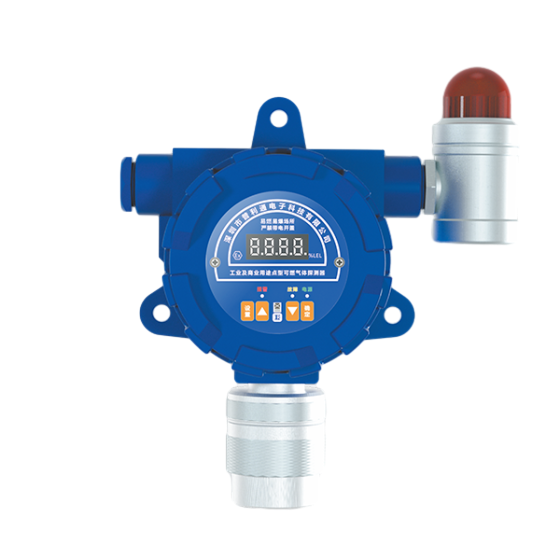
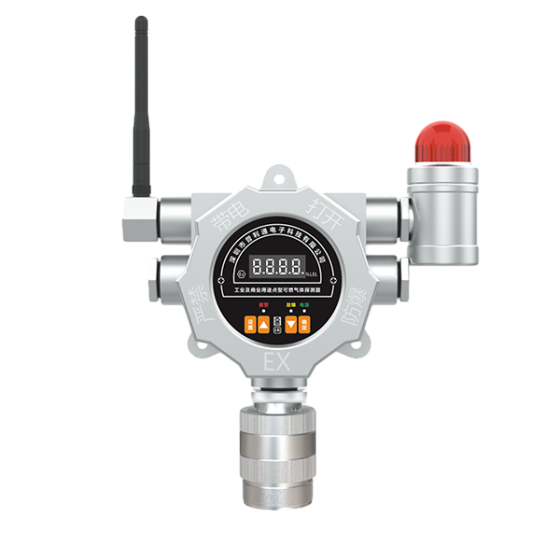
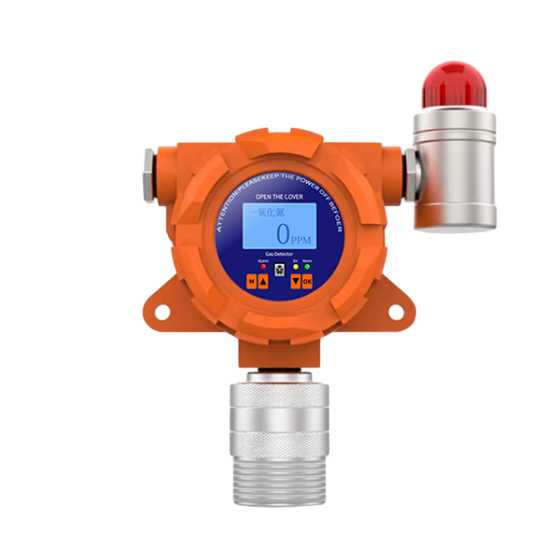
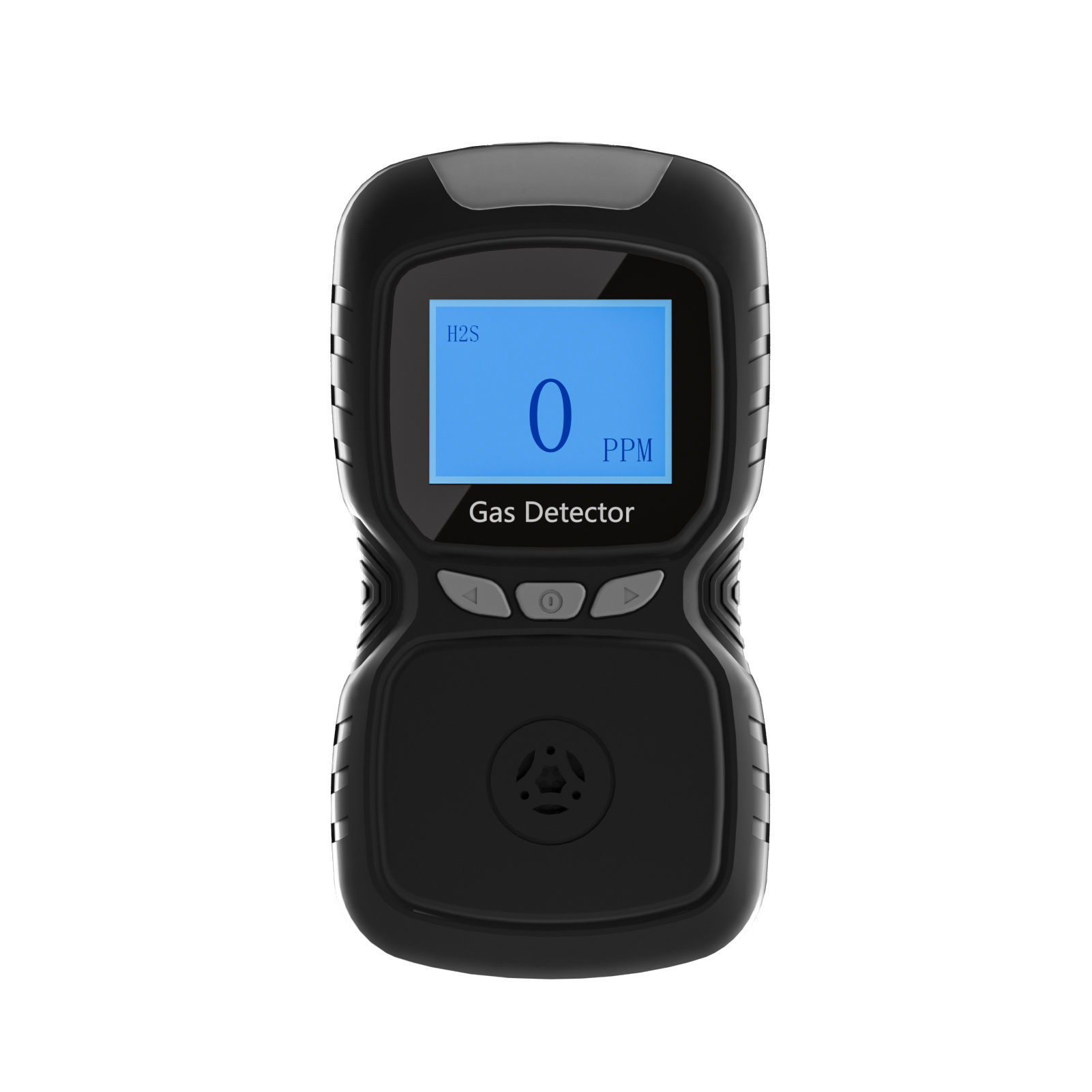
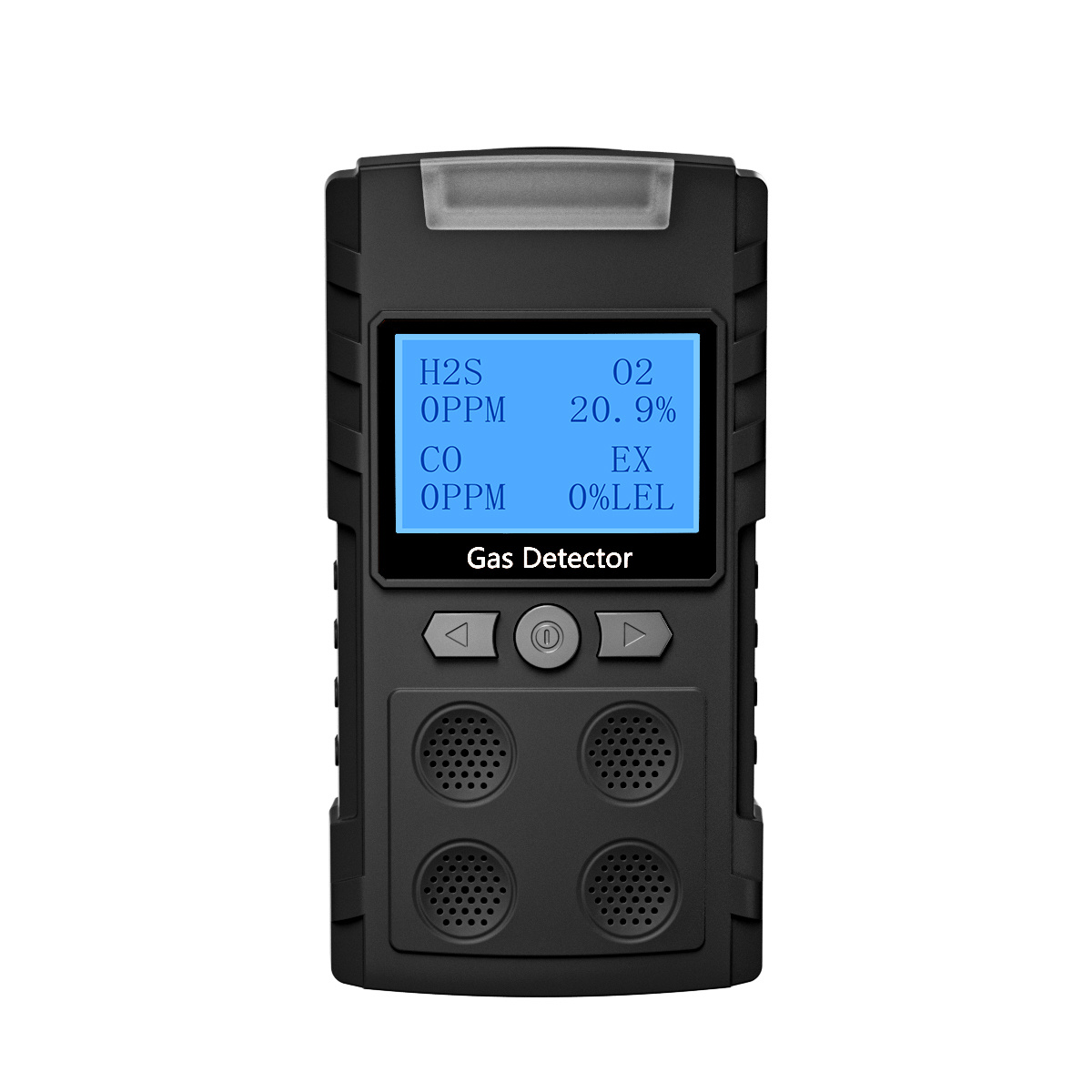
Single gas detectors are essential instruments designed to identify the presence of specific gases in the environment. These devices are particularly valuable in various industries, including oil and gas, construction, and waste management, where exposure to hazardous gases can pose serious health risks to workers. By providing real-time monitoring of gas concentrations, they enable timely actions to mitigate potential dangers, thus ensuring a safer workplace.
One of the primary advantages of single gas detectors is their ease of use and portability. Typically compact and lightweight, these devices can be easily carried by workers to various locations, allowing for continuous monitoring of specific gases such as carbon monoxide, hydrogen sulfide, or oxygen levels. This portability can significantly enhance safety protocols, enabling immediate alerts when gas levels exceed predefined thresholds.
When selecting a single gas detector, professionals should consider several critical factors. First, the specific gas of concern must be identified, as single gas detectors are tailored for individual gas detection. For instance, if a workplace is at risk of hydrogen sulfide exposure, a hydrogen sulfide detector would be necessary. Additionally, the detection range, response time, and calibration requirements are important technical specifications to examine, as these features determine the effectiveness of the detector in real-world applications.
Furthermore, the operational life of the sensors and the maintenance requirements should not be overlooked. Regular calibration and maintenance are essential to ensure the accuracy and reliability of the readings. Many modern devices offer features such as self-testing and data logging, providing users with enhanced functionalities that support compliance reporting and trend analysis.
In addition to workplace safety, single gas detectors are also used in environmental research to monitor air quality and detect pollution levels. Governments and environmental agencies utilize these devices for regulatory purposes, ensuring that industrial emissions are kept within safe limits to protect public health and the environment.
In conclusion, single gas detectors are invaluable tools in the realm of environmental monitoring, providing essential safety features while facilitating compliance with health regulations. By understanding their functionalities and applications, professionals can make informed decisions that enhance workplace safety and environmental stewardship. Investing in reliable detection technology is not just a regulatory requirement but a commitment to protecting the health and well-being of workers and the wider community.
One of the primary advantages of single gas detectors is their ease of use and portability. Typically compact and lightweight, these devices can be easily carried by workers to various locations, allowing for continuous monitoring of specific gases such as carbon monoxide, hydrogen sulfide, or oxygen levels. This portability can significantly enhance safety protocols, enabling immediate alerts when gas levels exceed predefined thresholds.
When selecting a single gas detector, professionals should consider several critical factors. First, the specific gas of concern must be identified, as single gas detectors are tailored for individual gas detection. For instance, if a workplace is at risk of hydrogen sulfide exposure, a hydrogen sulfide detector would be necessary. Additionally, the detection range, response time, and calibration requirements are important technical specifications to examine, as these features determine the effectiveness of the detector in real-world applications.
Furthermore, the operational life of the sensors and the maintenance requirements should not be overlooked. Regular calibration and maintenance are essential to ensure the accuracy and reliability of the readings. Many modern devices offer features such as self-testing and data logging, providing users with enhanced functionalities that support compliance reporting and trend analysis.
In addition to workplace safety, single gas detectors are also used in environmental research to monitor air quality and detect pollution levels. Governments and environmental agencies utilize these devices for regulatory purposes, ensuring that industrial emissions are kept within safe limits to protect public health and the environment.
In conclusion, single gas detectors are invaluable tools in the realm of environmental monitoring, providing essential safety features while facilitating compliance with health regulations. By understanding their functionalities and applications, professionals can make informed decisions that enhance workplace safety and environmental stewardship. Investing in reliable detection technology is not just a regulatory requirement but a commitment to protecting the health and well-being of workers and the wider community.
Related Info

Combustible gas alarm maintenance
2020-07-03

2021-01-14







WhatsApp: