










The Future of Environmental Monitoring: Dust Online Monitoring Systems
2026-05-14
The Future of Environmental Monitoring: Dust Online Monitoring Systems
Table of Contents
- Introduction to Environmental Monitoring
- The Importance of Dust Monitoring for Environmental Health
- What Are Dust Online Monitoring Systems?
- How Dust Online Monitoring Works
- Key Benefits of Online Dust Monitoring Systems
- Industries Benefiting from Dust Monitoring Solutions
- Emerging Technologies in Dust Monitoring
- The Future of Dust Online Monitoring Systems
- Conclusion
- Frequently Asked Questions
Introduction to Environmental Monitoring
Environmental monitoring has become a critical component in our efforts to safeguard public health and preserve the planet's ecosystems. The growing concerns surrounding air quality, climate change, and industrial pollution necessitate the development of advanced monitoring systems. In this context, **dust online monitoring systems** emerge as a pivotal innovation, facilitating real-time tracking of particulate matter in our environment. This article delves into the future of environmental monitoring by exploring dust online monitoring systems, their workings, benefits, and emerging technologies.
The Importance of Dust Monitoring for Environmental Health
Dust particles, especially PM (particulate matter) 10 and PM 2.5, pose significant health risks. Exposure to these particles can lead to respiratory issues, cardiovascular diseases, and other serious health problems. Therefore, effective monitoring of dust levels is crucial in ensuring public safety and environmental integrity. By implementing **dust monitoring systems**, industries and communities can identify pollution sources, track changes in air quality, and implement timely interventions to protect human health and the environment.
What Are Dust Online Monitoring Systems?
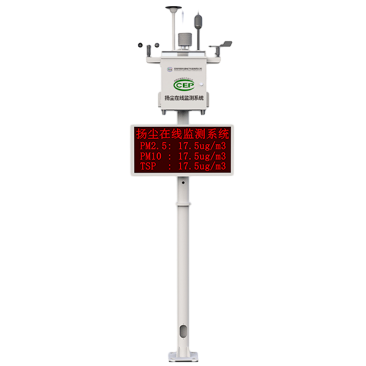
Dust online monitoring systems refer to sophisticated tools designed to measure and analyze airborne dust particles in real-time. These systems utilize various sensors and technologies to collect data on particulate matter concentration, size distribution, and chemical composition. The information gathered is transmitted to a central platform, allowing for immediate analysis and reporting. This capability enables stakeholders to make informed decisions regarding air quality management and pollution control.
Components of Dust Online Monitoring Systems
Dust monitoring systems consist of several key components:
- **Sensors**: Specialized instruments that detect and measure dust particles.
- **Data Transmission Devices**: Technologies that relay collected data to a central monitoring system.
- **Software Platforms**: Analytical tools that interpret data and generate reports for stakeholders.
- **User Interfaces**: Dashboards that display real-time data, historical trends, and alerts for exceedances.
How Dust Online Monitoring Works
The operation of dust online monitoring systems involves several stages:
1. **Data Collection**: Sensors deployed in various locations continuously measure dust levels. These devices are calibrated to detect specific particle sizes and types, ensuring accurate readings.
2. **Data Transmission**: Once the data is collected, it is transmitted via wireless networks or wired connections to a centralized database. This transmission occurs in real-time, allowing for immediate access to information.
3. **Data Analysis**: Advanced software platforms analyze the incoming data, identifying trends and patterns. This analysis may include comparing current readings with historical data to assess air quality changes.
4. **Reporting and Alerts**: The system generates reports, visualizations, and alerts. Stakeholders receive notifications when dust levels exceed predetermined thresholds, enabling timely action.
Key Benefits of Online Dust Monitoring Systems
Implementing dust online monitoring systems offers numerous advantages:
1. **Real-Time Data**: Immediate access to air quality data allows for quick decision-making and timely interventions.
2. **Enhanced Health Protection**: By monitoring dust levels, communities can take proactive measures to protect public health, particularly vulnerable populations.
3. **Regulatory Compliance**: Businesses can ensure compliance with environmental regulations, avoiding fines and penalties associated with air quality violations.
4. **Informed Policy Development**: Policymakers can utilize accurate data to formulate effective environmental policies and programs aimed at reducing pollution.
5. **Public Awareness**: Online monitoring systems can foster public awareness about air quality issues, encouraging community involvement in environmental protection efforts.
Industries Benefiting from Dust Monitoring Solutions
Several sectors benefit significantly from dust online monitoring systems:
1. **Construction**: During construction activities, dust emissions can escalate. Monitoring systems help manage air quality and protect workers and nearby residents.
2. **Mining**: Dust generated from mining operations can have detrimental effects on health and the environment. Monitoring systems assist in minimizing exposure and adhering to regulations.
3. **Manufacturing**: Industries producing particulate matter must monitor emissions to maintain compliance and ensure a safe working environment.
4. **Agriculture**: Dust from agricultural activities can affect air quality and respiratory health. Monitoring systems aid in managing dust from tilling, harvesting, and other operations.
5. **Transportation**: Dust generated from road traffic can be a significant air quality concern. Monitoring systems assist in tracking and addressing these emissions.
Emerging Technologies in Dust Monitoring
As technology evolves, so do dust monitoring systems. Several emerging trends are shaping the future of environmental monitoring:
1. **IoT Integration**: The Internet of Things (IoT) enables interconnected devices to share data seamlessly. Dust sensors integrated into IoT frameworks facilitate real-time monitoring across various locations.
2. **AI and Machine Learning**: Artificial Intelligence (AI) and machine learning algorithms can analyze vast datasets, identifying patterns and predicting future trends in air quality.
3. **Low-Cost Sensors**: Advancements in sensor technology have led to the development of low-cost devices, making dust monitoring more accessible for communities and small businesses.
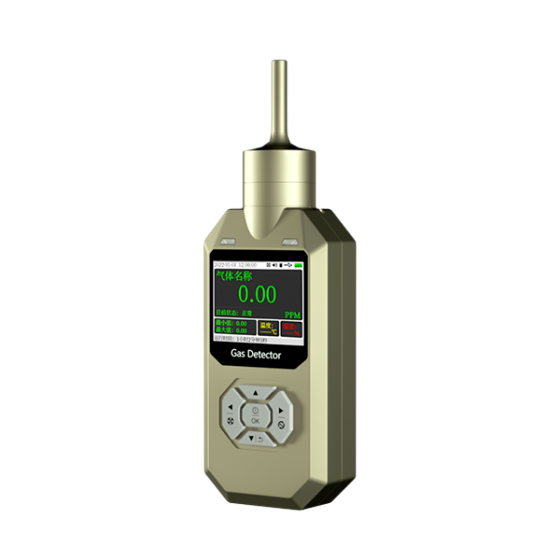
4. **Mobile Monitoring Solutions**: Portable dust monitoring systems allow for flexible deployment in various environments, providing targeted data collection.
5. **Cloud-Based Platforms**: Cloud technology enables centralized data storage and analysis, making it easier for stakeholders to access and interpret information from multiple monitoring locations.
The Future of Dust Online Monitoring Systems
The future of dust online monitoring systems looks promising, with innovations set to transform the landscape of environmental monitoring. As awareness of air quality issues grows, the demand for efficient, accurate, and real-time monitoring solutions will increase. Future advancements may include:
1. **Increased Automation**: Automating data collection, analysis, and reporting processes will enhance efficiency and reduce human error.
2. **Integration with Smart Cities**: Dust monitoring systems will become integral components of smart city initiatives, contributing to comprehensive environmental management strategies.
3. **Personal Monitoring Devices**: Development of personal dust monitoring devices may empower individuals to track air quality and make informed decisions about their health and environment.
4. **Collaboration and Data Sharing**: Partnerships between governments, industries, and research institutions will enhance data sharing, promoting collaborative efforts to improve air quality.
5. **Global Standards**: As dust monitoring systems become more widespread, global standards for data collection and reporting may emerge, ensuring consistency and reliability across regions.
Conclusion
Dust online monitoring systems play a pivotal role in the future of environmental monitoring. By providing real-time data, these systems enhance public health protection, regulatory compliance, and informed decision-making. The integration of emerging technologies and a growing focus on air quality issues will further drive advancements in dust monitoring solutions. As we move forward, the commitment to improving air quality and environmental health will remain a top priority for industries, policymakers, and communities alike.
Frequently Asked Questions
1. What are dust online monitoring systems?
Dust online monitoring systems are advanced technologies that measure and analyze airborne dust particles in real-time to ensure air quality and public health.
2. Why is dust monitoring important?
Monitoring dust is crucial for protecting public health, ensuring regulatory compliance, and managing environmental quality, as exposure to dust particles can lead to serious health issues.
3. How do dust monitoring systems work?
Dust monitoring systems collect data using sensors, transmit that data to a central platform for analysis, and generate reports and alerts based on the findings.
4. Which industries benefit from dust monitoring?
Industries such as construction, mining, manufacturing, agriculture, and transportation benefit from dust monitoring systems by managing emissions and enhancing safety.
5. What are the emerging technologies in dust monitoring?
Emerging technologies include IoT integration, AI and machine learning, low-cost sensors, mobile monitoring solutions, and cloud-based platforms, all enhancing dust monitoring capabilities.
By understanding and implementing effective dust online monitoring systems, we can collectively improve air quality and foster a healthier environment for future generations.
Related Info
Combustible gas alarm maintenance
2020-07-03
2021-01-14






WhatsApp: