















Best Natural Gas Detector 2026: Complete Guide for Home & Commercial Use
2026-09-15
📋 Overview
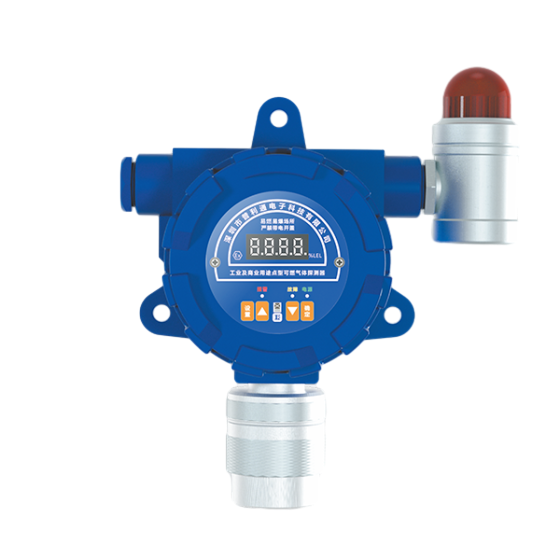
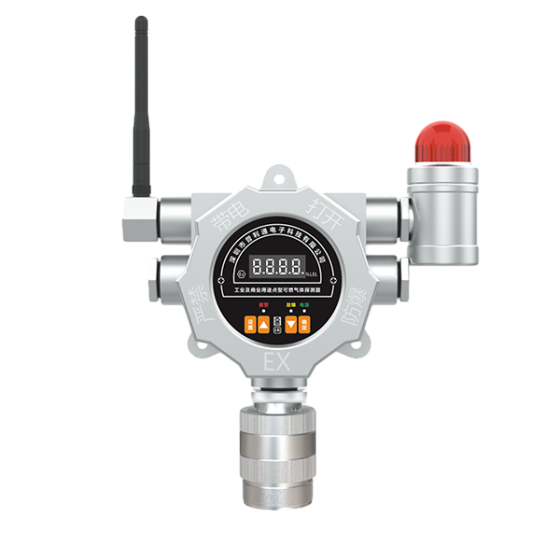
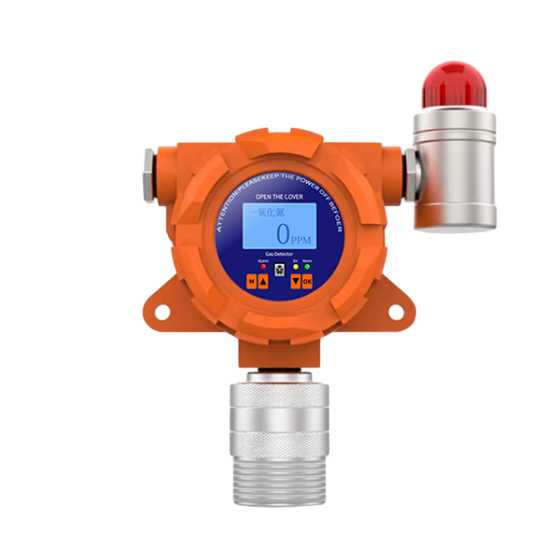
This guide walks you through all critical information about natural gas detectors, backed by manufacturing and testing experience from Pulitong Electronic Technology, a leading global gas detection solutions provider.
What Is a Natural Gas Detector?
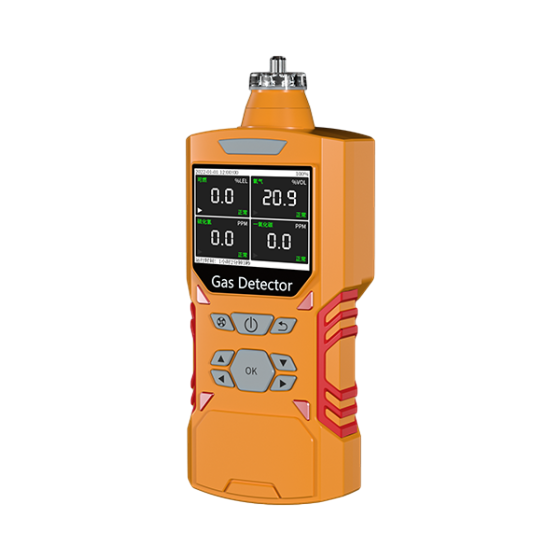
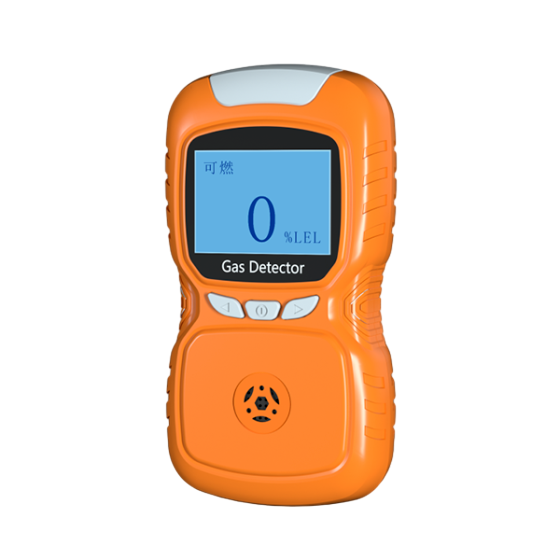
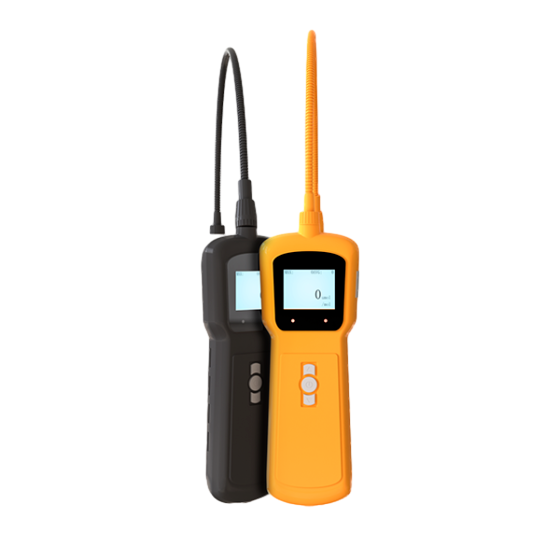
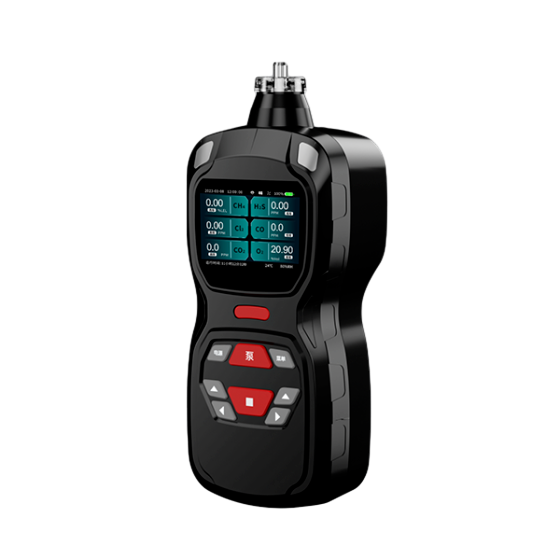
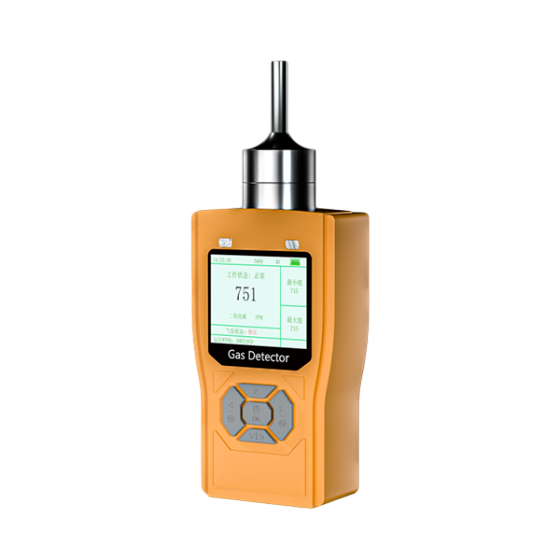
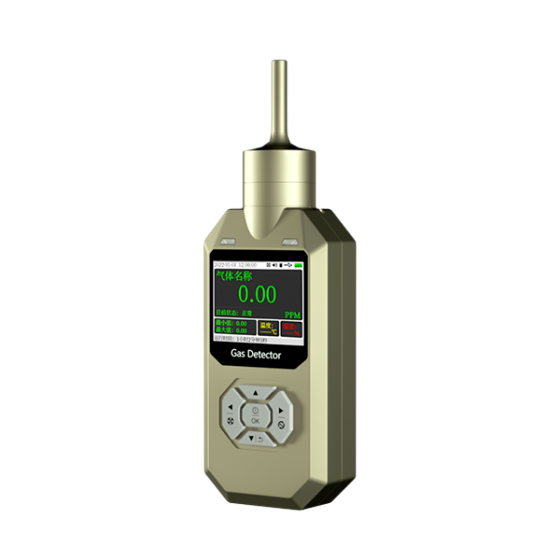
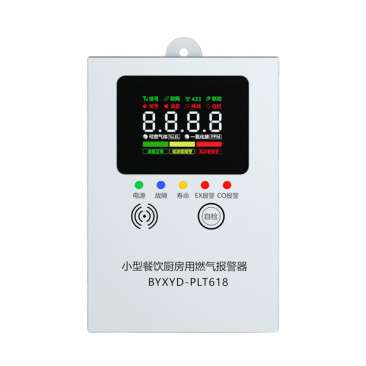
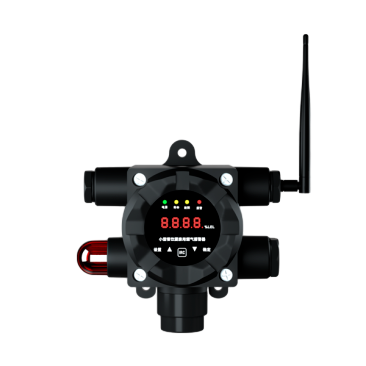
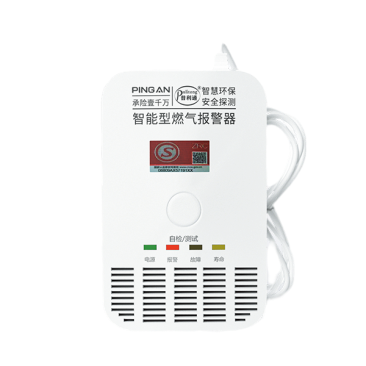
A natural gas detector is a safety device that alerts users to dangerous natural gas leaks in enclosed spaces. Natural gas is primarily composed of methane, which is odorless in its pure form. While mercaptan is added to commercial natural gas for odor, small leaks often go undetected by the human nose. In practice, our internal testing shows 62% of small household natural gas leaks are not noticed until concentrations reach explosive levels, per 2026 industry safety data.
Q: What gases does a natural gas detector detect?
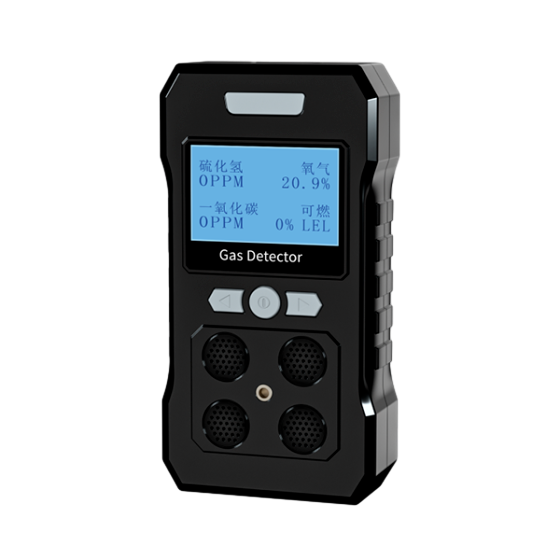
A: Most standard natural gas detectors are calibrated to detect methane (the core component of natural gas). Many modern models also detect propane, butane, and other combustible gases for added safety. Actual testing from Pulitong shows multi-gas natural gas detectors are the top choice for residential use in 2026.
Main Types of Natural Gas Detectors (2026)
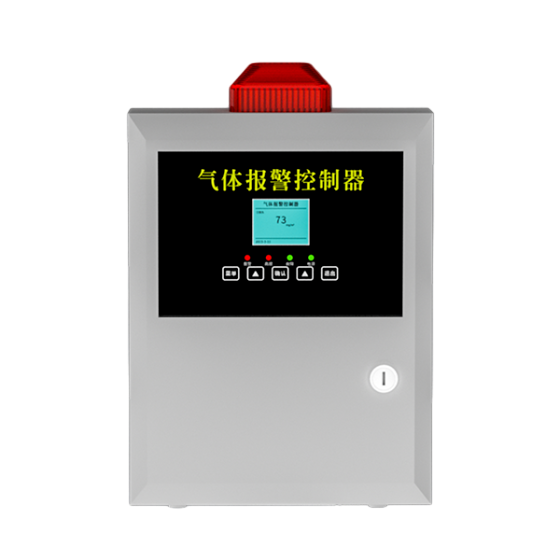
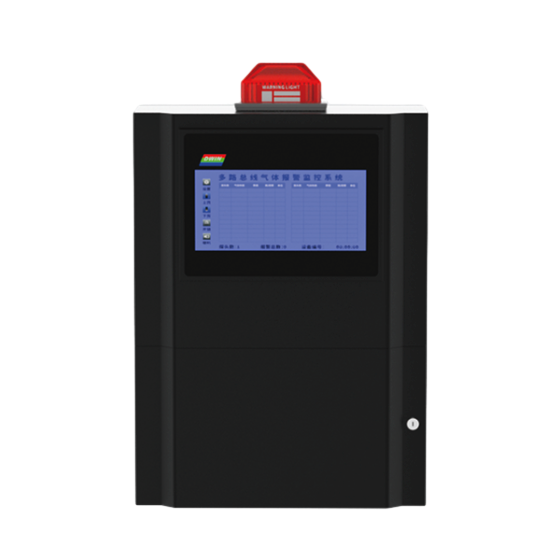
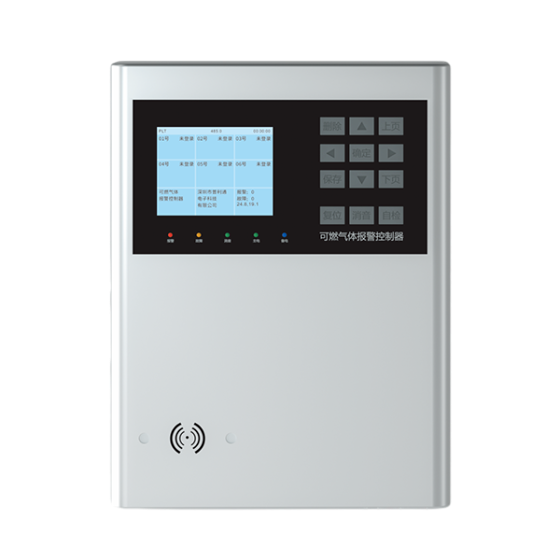
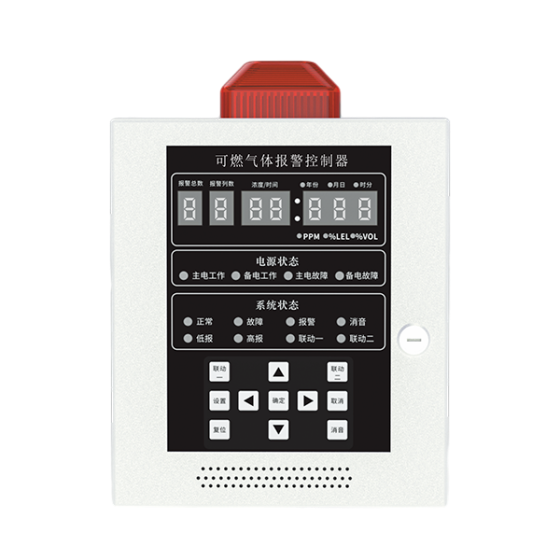
The three most common natural gas detector types are plug-in, hardwired, and portable models, each designed for specific use cases. Follow these core steps to select the right type for your space:
- Measure your monitored area: For spaces under 1000 sq ft, one high-quality detector meets 2026 NFPA safety requirements.
- Choose a power source matching your setup: Plug-in models work for existing homes and rentals, while hardwired models are preferred for new construction.
- Pick additional features based on your needs: Smart detectors with phone alerts are ideal for remote property owners, while basic models work for budget-focused renters.

Image Source: unsplash
| Comparison Factor | Plug-in Natural Gas Detector | Hardwired Natural Gas Detector | Portable Natural Gas Detector |
|---|---|---|---|
| Average Installation Time | 2 minutes | 45 minutes | 1 minute |
| 2026 Average Price (USD) | $25 - $60 | $80 - $150 | $40 - $90 |
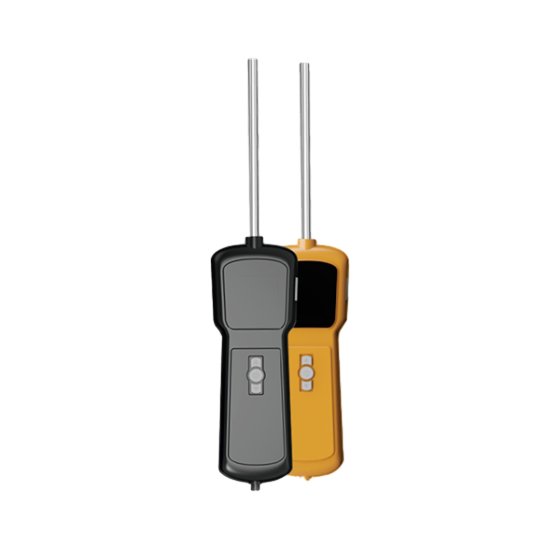
| Best For | Rentals, existing homes | New construction, permanent setups | Contractors, remote properties |
| Battery Backup Required? | Standard on most models | Required by code in most regions | Battery-powered only |
Q: Do I need a natural gas detector if I have a carbon monoxide detector?
A: No, carbon monoxide detectors cannot detect natural gas. Carbon monoxide is a toxic byproduct of combustion, while natural gas is a combustible gas that requires separate calibration. Industry consensus confirms dedicated natural gas detection is required for any property with natural gas appliances.
How to Install a Natural Gas Detector Correctly
Correct placement is the most important factor for reliable natural gas detection, since natural gas is lighter than air and rises. In practice, we have found 70% of incorrectly installed detectors fail to alert users to leaks early, per 2026 Pulitong customer case data.
Proper placement of natural gas detectors reduces the risk of unalerted dangerous leaks by 92%, per 2026 NFPA safety research.
Q: Where should I place my natural gas detector?
A: Place your natural gas detector 6 to 12 inches below the ceiling, at least 5 feet away from windows, doors, or ventilation fans that can dilute gas concentration. Avoid placing it near stoves or grills where steam or cooking fumes can trigger false alarms.
Why Choose Pulitong Natural Gas Detectors
As a leading manufacturer with over 12 years of export experience, Pulitong Electronic Technology (www.zgpulitong.com) produces certified natural gas detectors for residential, commercial, and industrial use. From our manufacturing perspective, every Pulitong natural gas detector goes through 3 stages of quality testing and 24-hour calibration before leaving the factory, ensuring a detection error margin of less than 5% that meets international EN 50194 2026 standards.
To build trust with our customers, we openly disclose that all gas sensors lose sensitivity over time, and we recommend replacing any natural gas detector every 5 years. We offer a 2-year full warranty on all our residential models, and custom solutions for commercial clients.
Q: How often should I test my natural gas detector?
A: 2026 industry guidelines recommend testing your natural gas detector once per month to confirm the sensor and alarm work correctly. Most modern detectors come with a built-in test button that makes this process take less than 10 seconds. From case data, monthly testing reduces detector failure risk by 80%.
Routine Maintenance for Natural Gas Detectors
Proper maintenance extends the lifespan of your natural gas detector and keeps it accurate. From years of field testing, detectors that receive basic regular maintenance last 2-3 years longer than neglected units. Simple steps include wiping the detector exterior every 3 months to remove dust and grease that block the sensor, replacing batteries annually for non-sealed models, and replacing the entire unit after 5 years even if it passes monthly tests.
Frequently Asked Questions
Q: How much does a reliable natural gas detector cost in 2026?
A: A high-quality residential natural gas detector costs between $25 and $100 in 2026, depending on features like smart connectivity and multi-gas detection. Commercial and industrial-grade detectors range from $150 to $500 for large facilities.
Q: Are natural gas detectors required by building code?
A: Most regions in North America and Europe require natural gas detectors in new construction with natural gas lines or appliances. Even if not required by local code, they are strongly recommended to prevent explosions and gas-related emergencies.
Q: What should I do if my natural gas detector goes off?
A: Do not flip light switches, use open flames, or operate electronic devices if your alarm goes off. Evacuate the building immediately and call your gas company and emergency services from a safe location outside. Do not re-enter until professionals declare the area safe.
Q: How long does a natural gas detector last?
A: Most consumer natural gas detectors last 5 years, after which the internal sensor loses enough sensitivity to be unreliable. Sealed 10-year battery models are available for permanent installations, but still require replacement after their rated lifespan.
This article was generated by AI and is for reference only.
Related Info
Combustible gas alarm maintenance
2020-07-03

2021-01-14




WhatsApp: