







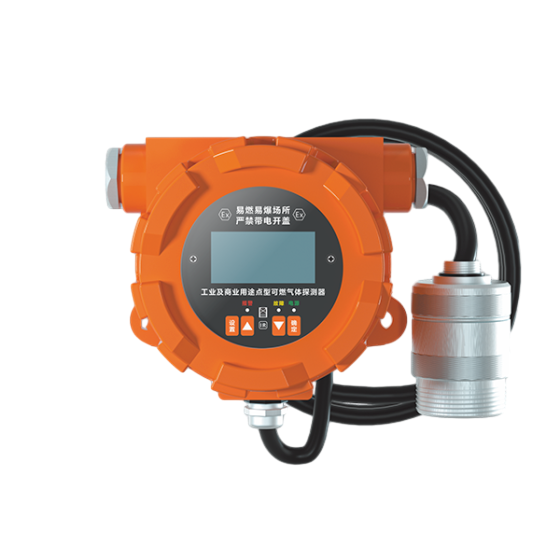
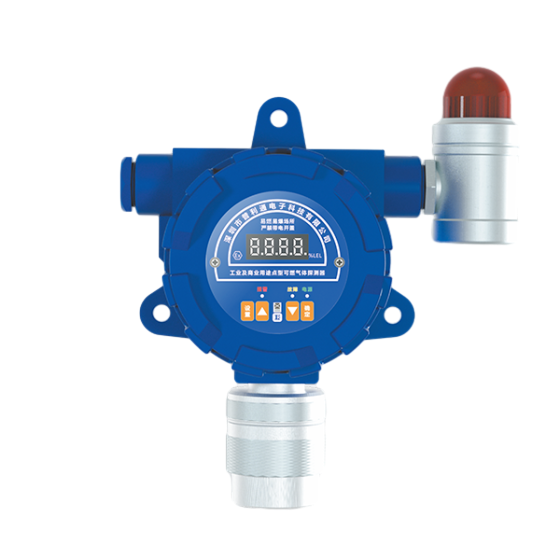
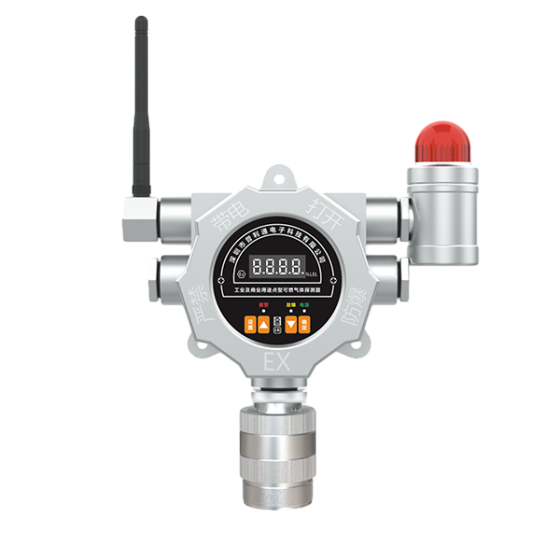
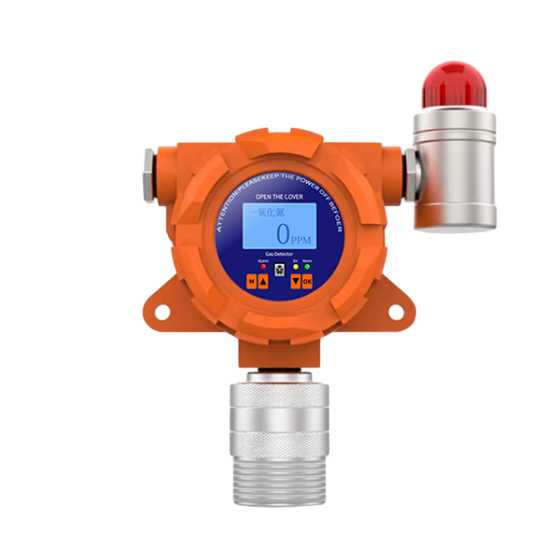





4 in 1 Gas Detector: The Key to Ensuring Air Quality Standards
2026-09-15
4 in 1 Gas Detector: The Key to Ensuring Air Quality Standards
Table of Contents
- Introduction to 4 in 1 Gas Detectors
- Importance of Air Quality Monitoring
- How 4 in 1 Gas Detectors Work
- Key Features of 4 in 1 Gas Detectors
- Benefits of Using a 4 in 1 Gas Detector
- Applications of 4 in 1 Gas Detectors
- Maintenance Tips for Optimal Performance
- Frequently Asked Questions (FAQs)
- Conclusion
Introduction to 4 in 1 Gas Detectors
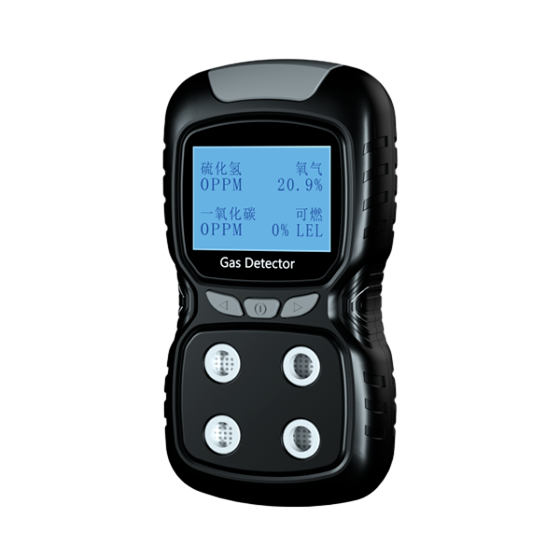
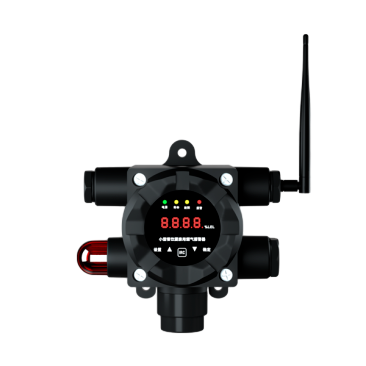
In today's world, **ensuring air quality** is more important than ever. With the rise in industrial activities, urbanization, and environmental concerns, the need for effective monitoring tools has become critical. The **4 in 1 gas detector** stands out as a versatile instrument designed to detect multiple harmful gases, thereby safeguarding both health and the environment. This article delves into the features, benefits, and applications of 4 in 1 gas detectors, illustrating their significance in maintaining air quality standards.
Importance of Air Quality Monitoring
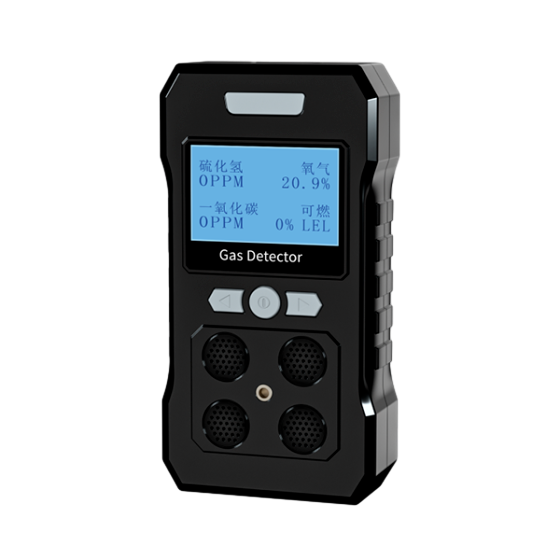
Air quality monitoring is essential for several reasons. Poor air quality can lead to severe health issues, including respiratory problems, cardiovascular diseases, and even premature death. Industrial workers and residents in urban areas are particularly at risk due to their exposure to pollutants. By utilizing a 4 in 1 gas detector, individuals and organizations can effectively monitor hazardous gases such as carbon monoxide (CO), hydrogen sulfide (H2S), methane (CH4), and oxygen (O2). This monitoring is vital in preventing accidents and promoting a safe living and working environment.
How 4 in 1 Gas Detectors Work
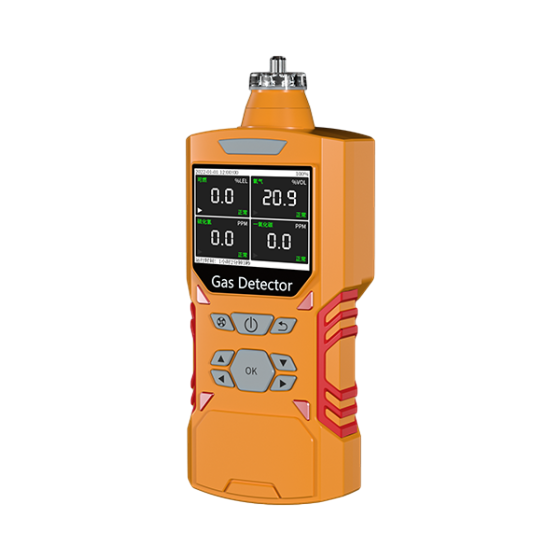
A 4 in 1 gas detector integrates advanced sensor technology to measure the concentration of multiple gases. Typically, these detectors use electrochemical sensors for toxic gases, infrared sensors for combustible gases, and a paramagnetic sensor for oxygen detection. The device continually samples the ambient air, providing real-time data on gas concentrations.
When the concentration of any of the gases exceeds predefined safety thresholds, the detector triggers alarms, providing immediate alerts to users. This proactive approach allows for timely interventions, ensuring safety and compliance with air quality standards.
Key Features of 4 in 1 Gas Detectors
Understanding the features of 4 in 1 gas detectors helps in selecting the right model for specific applications. Some key features include:
Multi-Gas Detection
As the name suggests, these detectors can measure up to four different gases simultaneously, offering comprehensive monitoring.
Real-Time Monitoring
Advanced models provide real-time data, ensuring users are aware of their environment at all times.
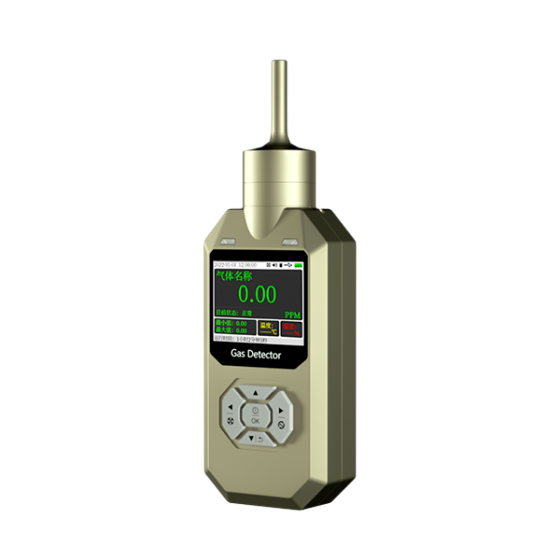
Portable Design
Most 4 in 1 gas detectors are lightweight and easily portable, making them ideal for fieldwork and varied applications.
Alarm Systems
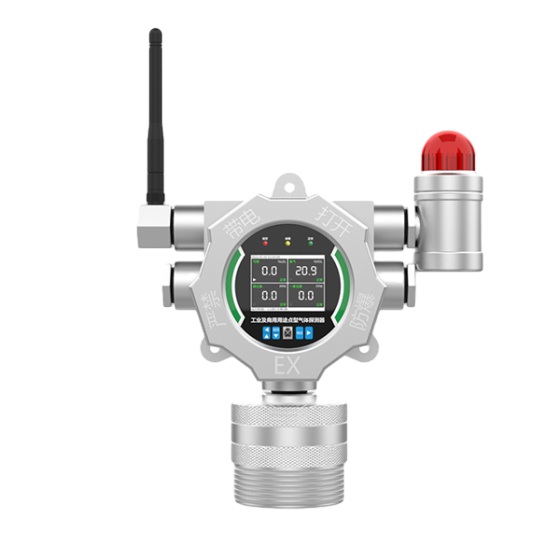
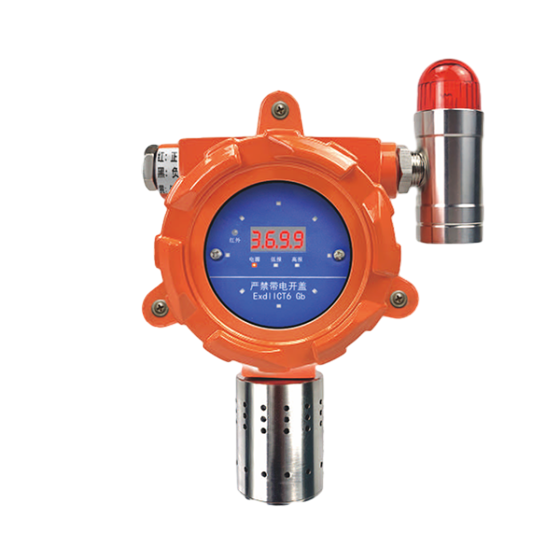
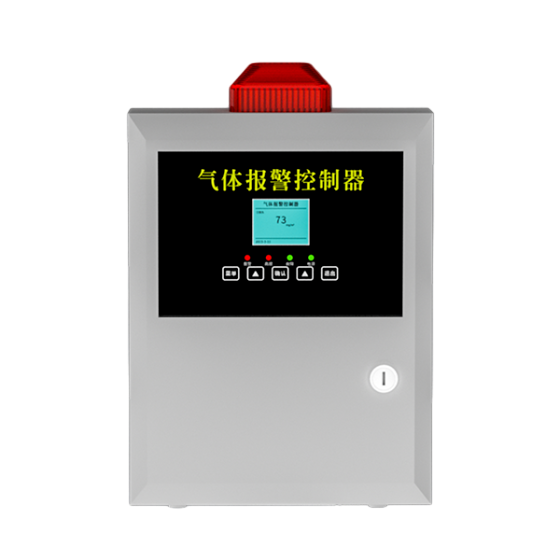
These detectors come equipped with visual and audible alarms, alerting users to unsafe gas levels instantly.
Data Logging
Many modern detectors allow users to log data, which can be useful for audits and compliance checks.
Benefits of Using a 4 in 1 Gas Detector
The utilization of a 4 in 1 gas detector brings numerous benefits to both individuals and organizations.
Enhanced Safety
The primary advantage is the enhanced safety of workers and the public. Early detection of harmful gases can prevent accidents and health issues.
Cost-Effectiveness
Investing in a single device that monitors multiple gases reduces the need for multiple detectors, saving money in the long run.
Compliance with Regulations
Many industries are required to adhere to strict air quality regulations. A 4 in 1 gas detector helps ensure compliance, avoiding potential fines and legal issues.
Improved Productivity
By creating a safer work environment, companies can reduce downtime related to gas exposure incidents, leading to increased productivity.
Applications of 4 in 1 Gas Detectors
The versatility of the 4 in 1 gas detector makes it suitable for a wide range of applications. Here are some prevalent uses:
Industrial Settings
In factories and manufacturing plants, these detectors are crucial for monitoring workplace safety, particularly in environments where toxic gases are present.
Environmental Monitoring
Government agencies and environmental organizations utilize these detectors to assess air quality and ensure compliance with environmental standards.
Emergency Response
Firefighters and emergency responders use portable 4 in 1 gas detectors to identify hazards in emergency situations, ensuring their safety during rescues.
Research Laboratories
In laboratories, these devices help researchers monitor gas emissions and ensure a safe working environment.
Maintenance Tips for Optimal Performance
To ensure the longevity and accuracy of a 4 in 1 gas detector, regular maintenance is essential. Here are some key maintenance tips:
Regular Calibration
Calibration should be performed according to the manufacturer's recommendations to maintain accuracy.
Battery Management
Ensure that the battery is charged and functioning properly. Replace the battery as needed to avoid interruptions in monitoring.
Routine Testing
Conduct routine tests to verify the functionality of the alarms and sensors. Testing should be part of a regular maintenance schedule.
Cleaning
Keep the device clean, removing any dust or debris that could affect its performance.
Frequently Asked Questions (FAQs)
1. What types of gases can a 4 in 1 gas detector detect?
A 4 in 1 gas detector typically detects carbon monoxide (CO), hydrogen sulfide (H2S), methane (CH4), and oxygen (O2).
2. How often should I calibrate my gas detector?
Calibration frequency depends on the manufacturer's recommendations, but it is generally advised to calibrate monthly or quarterly.
3. Can I use a 4 in 1 gas detector outdoors?
Yes, many 4 in 1 gas detectors are designed for outdoor use, but ensure that the model is specified for such conditions.
4. What should I do if my gas detector alarms?
If your gas detector alarms, evacuate the area immediately, identify the source of the gas, and contact emergency services if needed.
5. How long do the sensors in a gas detector last?
The lifespan of sensors varies by type and usage, but most sensors last between two to five years. Regular maintenance can help extend their life.
Conclusion
Investing in a **4 in 1 gas detector** is a crucial step in ensuring air quality standards and safeguarding health. With its ability to monitor multiple gases, provide real-time data, and enhance workplace safety, this device serves as an indispensable tool for various applications. By understanding how these detectors work, their key features, and their numerous benefits, users can make informed decisions that prioritize safety and compliance. Regular maintenance will ensure optimal performance, helping to create a cleaner and safer environment for everyone.
Related Info
Combustible gas alarm maintenance
2020-07-03
2021-01-14




WhatsApp: