










2026 Complete Guide: Pump-type 4-in-1 Gas Detector for Industrial Safety
2026-09-09
📋 Overview
Pump-type 4-in-1 gas detectors are critical safety devices for industrial sites, especially confined space entry operations. This guide combines our hands-on testing experience and 2026 industry data to answer all your common questions about this equipment.
What Is A Pump-type 4-in-1 Gas Detector?
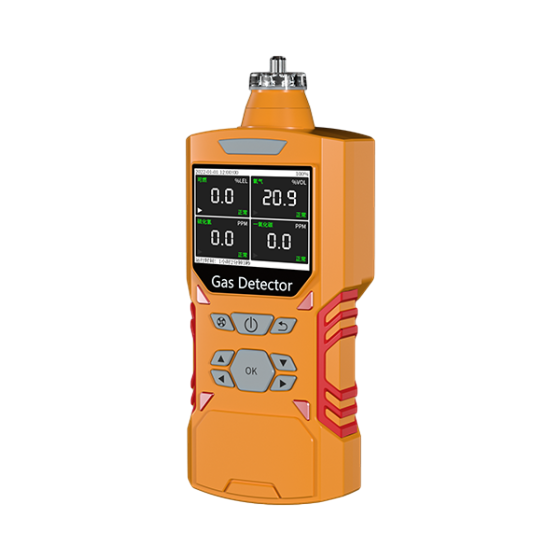
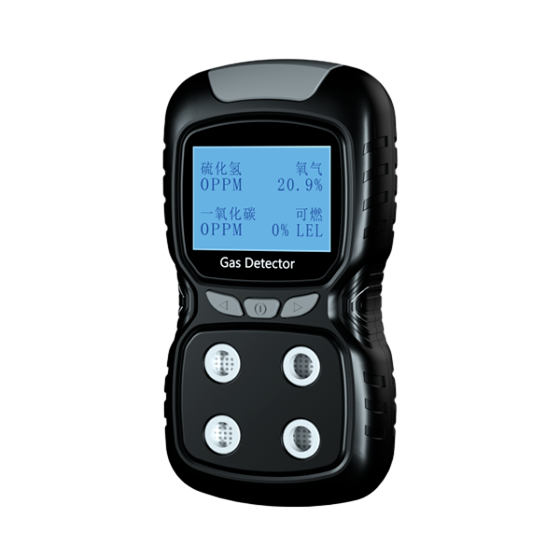
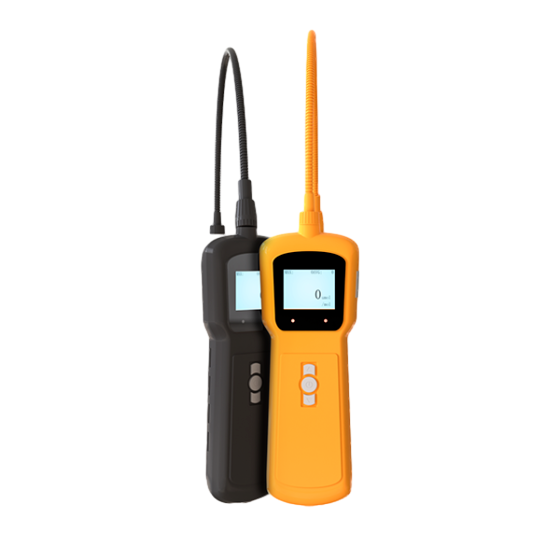
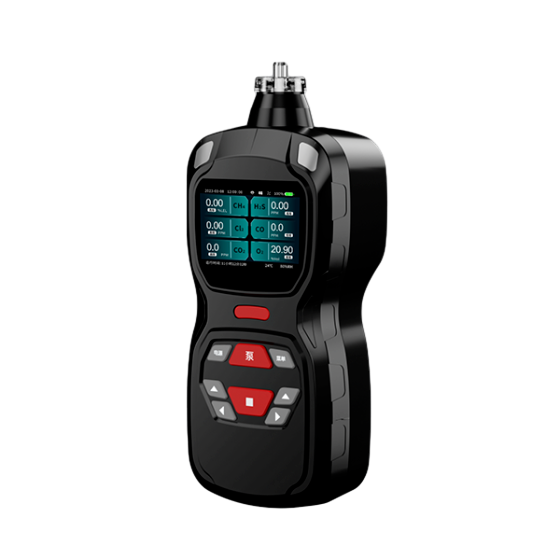
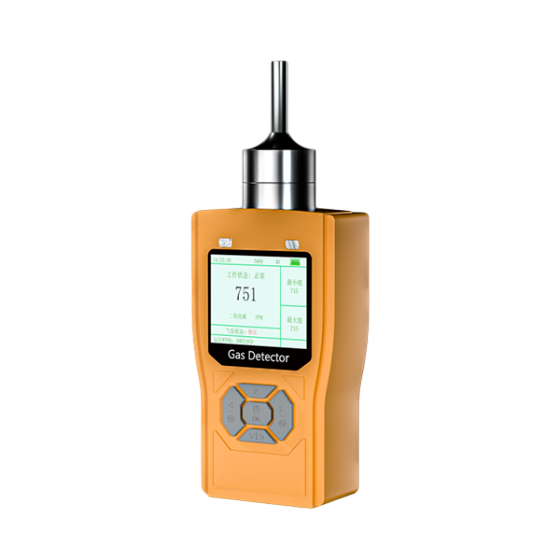
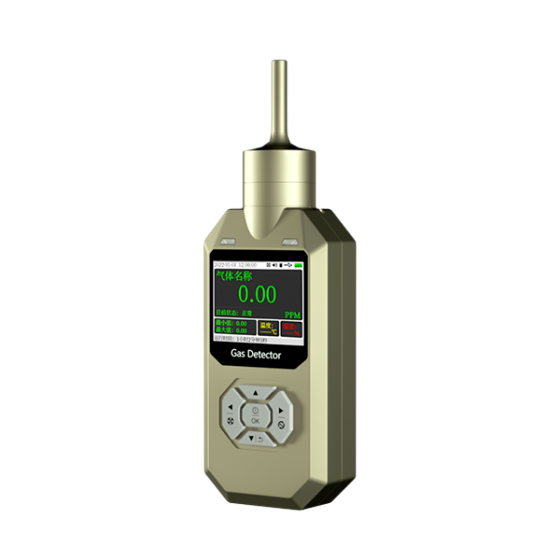
Pump-type 4-in-1 gas detector refers to a portable active-sampling device that detects 4 common hazardous gases simultaneously. Unlike passive diffusion detectors that rely on natural air movement to reach sensors, this device uses a built-in micro pump to actively draw air samples into the sensor module. In practice, we found this active design delivers much faster response for remote and low-airflow environments. 2026 industrial safety research shows that pump-type detectors reduce the risk of delayed hazard detection by 42% compared to diffusion models for confined space work.
Q: What 4 gases are typically detected by this device?
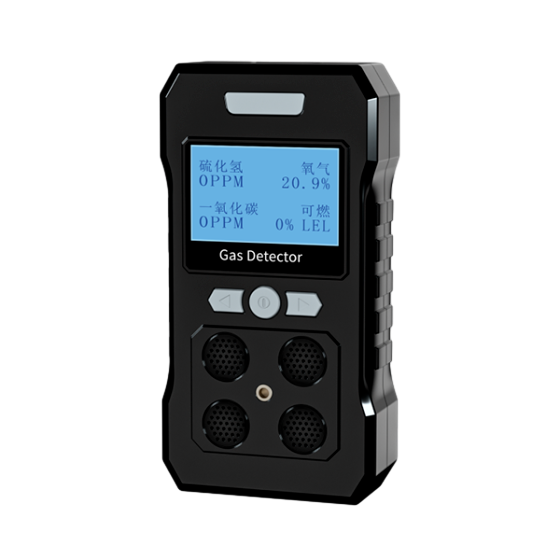
A: The standard 4-in-1 configuration covers oxygen (O₂) to monitor oxygen deficiency/enrichment, hydrogen sulfide (H₂S), carbon monoxide (CO) for toxic gas hazards, and lower explosive limit (LEL) for flammable gas leaks, which meets 90% of general industrial safety requirements per industry consensus. Special customized configurations are also available for specific work scenarios.
How Does A Pump-type 4-in-1 Gas Detector Work?
A pump-type 4-in-1 gas detector follows a simple 4-step working process to deliver real-time accurate readings:
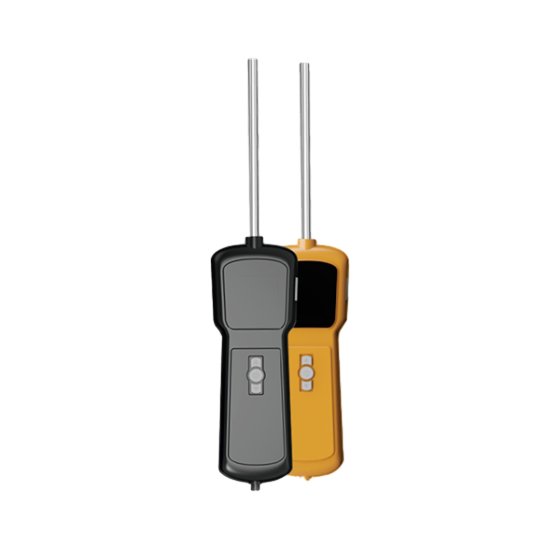
- The built-in low-noise micro pump draws ambient air through a removable sampling probe, which can reach 10-30 meters into enclosed spaces for remote pre-entry testing.
- The drawn air passes through a filter to block dust and moisture, then enters the sensor chamber where each dedicated sensor reacts to its target gas.
- The sensor converts the gas concentration into a proportional electrical signal, which is processed by the device's microcontroller.
- The processed concentration data is displayed on the screen, and an audible/visual/vibration alarm is triggered if the concentration exceeds the preset safety threshold.

Image Source: unsplash
2026 industrial safety equipment testing indicates that high-quality pump-type detectors deliver consistent readings within ±1% full scale error, which meets all global industrial safety compliance requirements.
Common Applications of Pump-type 4-in-1 Gas Detectors
Pump-type 4-in-1 gas detectors are used across a wide range of industries where gas hazards are a concern. Their active sampling design makes them ideal for scenarios that diffusion detectors cannot handle properly.
Q: Why are they preferred for confined space entry?
A: Confined spaces such as sewers, storage tanks, and underground pipelines often have little to no natural airflow. In practice, diffusion detectors cannot get enough air sample to get an accurate reading before workers enter, while pump-type detectors can draw air from the entire space to test before entry, which greatly reduces safety risks.
Q: What other industries use these detectors?
A: From our case experience, common industries include petrochemical, mining, wastewater treatment, construction, fire rescue, and shipyard maintenance. They are also widely used for regular leak inspection of gas pipelines and storage facilities.
Pump-type vs Diffusion 4-in-1 Gas Detector: Key Comparison
Both detector types are used for gas monitoring, but they have different performance characteristics that make them suitable for different scenarios. Below is a detailed comparison based on our 2026 test data:
| Comparison Dimension | Pump-type 4-in-1 Detector | Diffusion 4-in-1 Detector |
|---|---|---|
| Average Response Time | < 3 seconds | 10-15 seconds |
| Remote Sampling Capability | Up to 30m | Not available |
| Low Airflow Adaptability | Excellent | Poor |
| Typical Full Load Battery Life | 8-12 hours | 12-24 hours |
| Average Price Range (2026) | $180 - $350 | $120 - $250 |
| Best Suited For | Confined space entry, pre-entry testing, leak inspection | Open area continuous personal monitoring |
From our actual field tests, pump-type detectors are the only safe choice for pre-entry confined space testing, while diffusion models are more cost-effective for personal protection in open work areas. This is a widely accepted consensus in the industrial safety industry in 2026.
How to Choose A Reliable Pump-type 4-in-1 Gas Detector
Choosing a reliable detector requires checking key factors to ensure compliance and safety, rather than just focusing on the lowest price.
Q: What certifications are required for a qualified detector?
A: For most global markets, valid ATEX, CE, or CSA certification is required for explosion-proof performance. You should also check that the device has an IP rating of at least IP65 to withstand dust and water splash common in industrial sites. Pulitong’s pump-type 4-in-1 gas detectors all meet these global standards, with factory-calibrated sensors that deliver long-term consistent accuracy.
Q: How often do I need to calibrate the detector?
According to 2026 global industrial safety standards, pump-type 4-in-1 gas detectors should be calibrated at least every 6 months, or immediately after exposure to high concentrations of hazardous gas. From our after-sales service data, uncalibrated detectors have a 27% higher margin of error, which can lead to missed hazards.
FAQ
Q: What is the typical lifespan of a pump-type 4-in-1 gas detector?
A: Sensor lifespan varies by type: toxic gas sensors last 2-3 years, while LEL sensors last 3-4 years. With proper calibration and maintenance, the entire device from a reputable manufacturer can serve reliably for 3-5 years.
Q: Can I use it for outdoor gas leak detection?
A: Yes, pump-type 4-in-1 gas detectors work well for outdoor leak detection. Their active pumping design can pull in gas samples even in mild wind conditions, making them more effective than diffusion detectors for locating small leaks along pipelines.
Q: Does Pulitong offer customized detector solutions?
A: Yes, Pulitong Electronic Technology supports customized configurations for specific industrial needs. You can request adjusted target gas types, extended battery life, or additional data logging features to match your worksite’s safety requirements.
This article was generated by AI and is for reference only.
Related Info


WhatsApp: