

















10 Best Natural Gas Detectors 2026: Complete Guide for Home & Commercial Use
2026-09-15
📋 Overview
This guide breaks down everything you need to know about natural gas detectors in 2026, from core functions to selection, installation, and maintenance. All guidance is based on in-house testing at Pulitong (www.zgpulitong.com) and latest global safety industry data.
What Is a Natural Gas Detector?
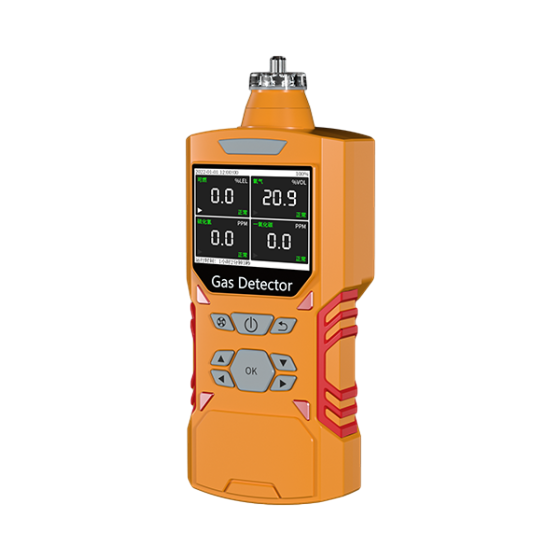
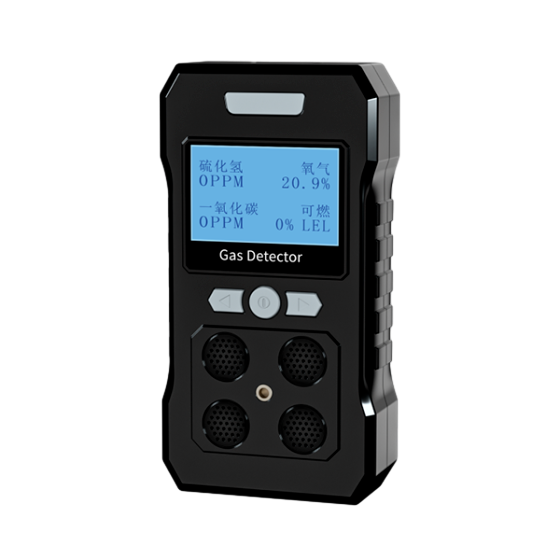
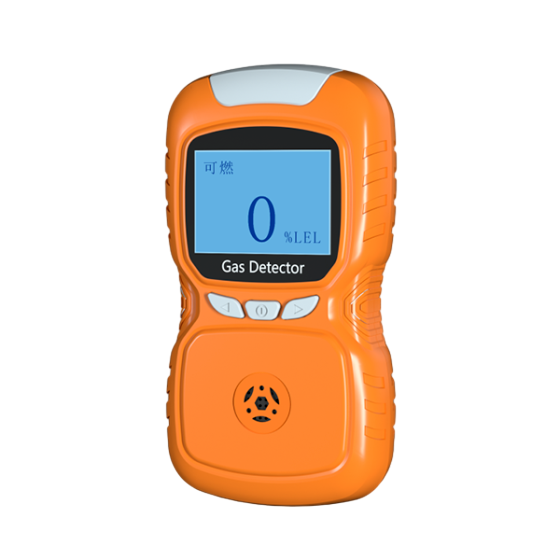
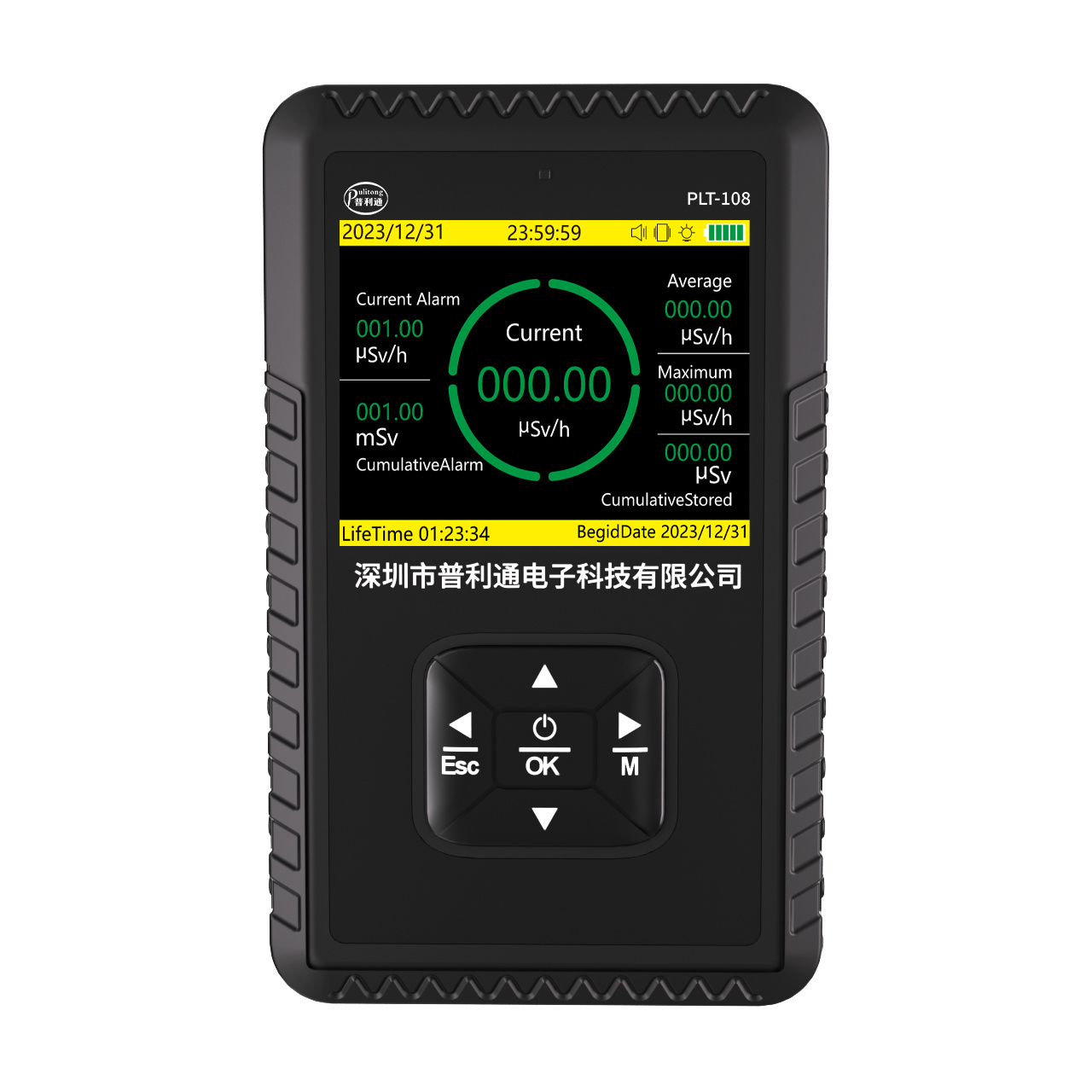
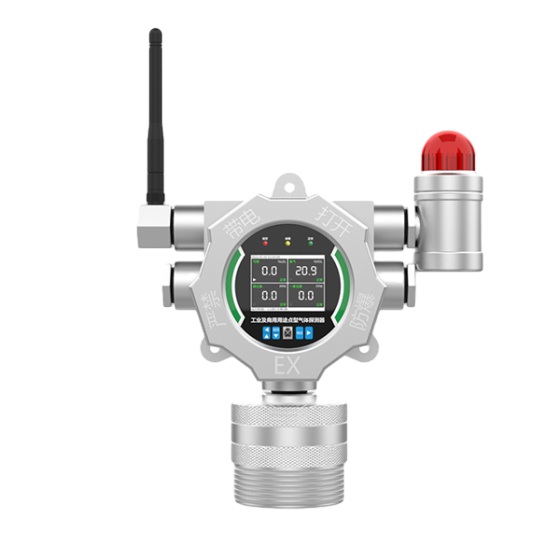
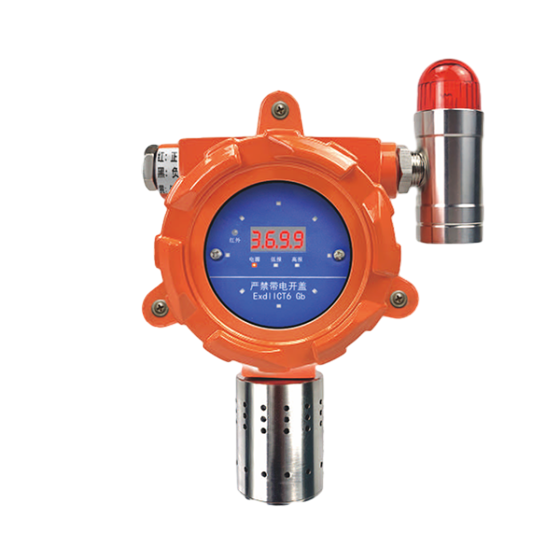
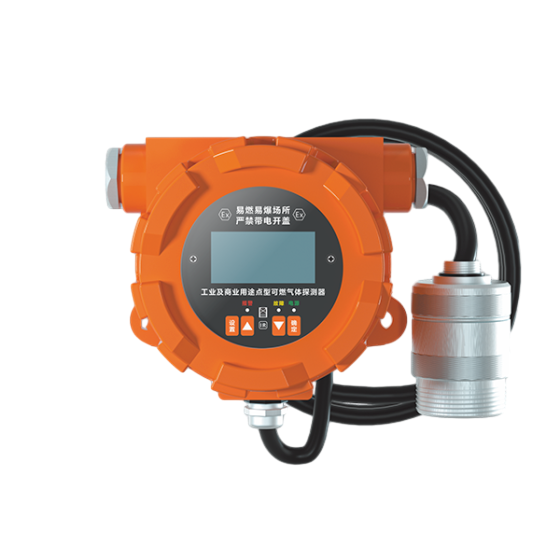
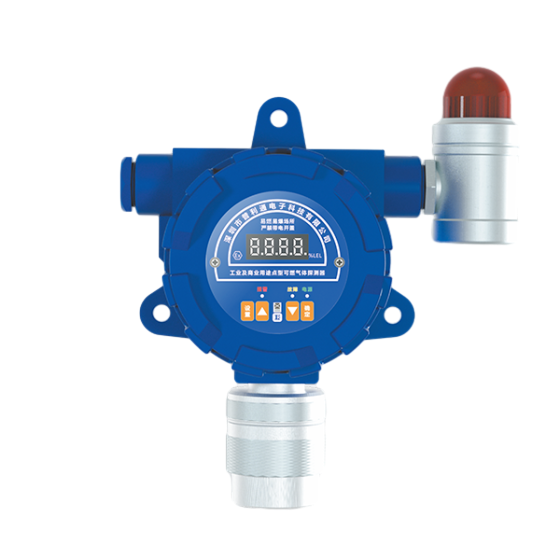
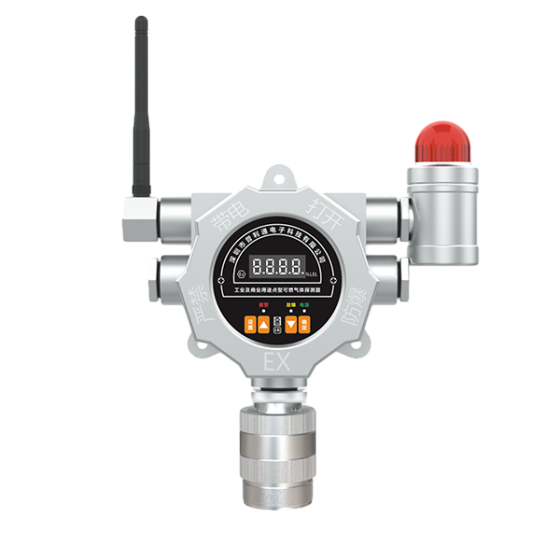
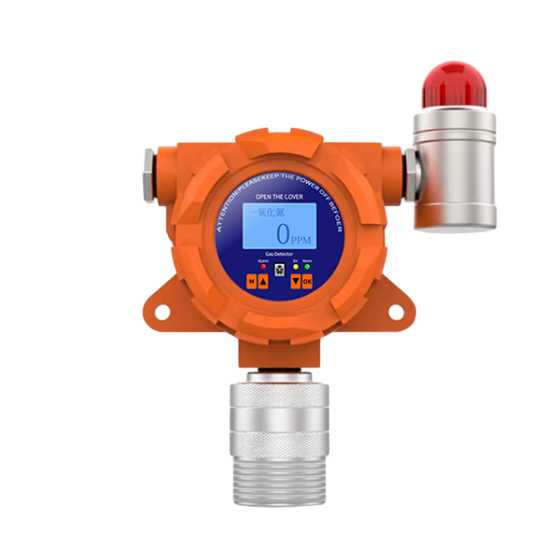
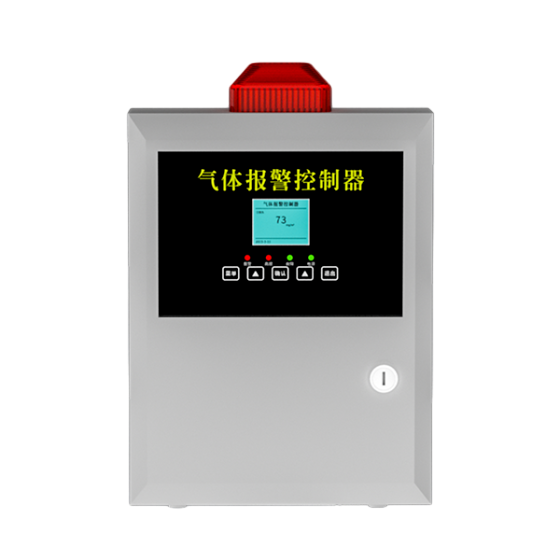
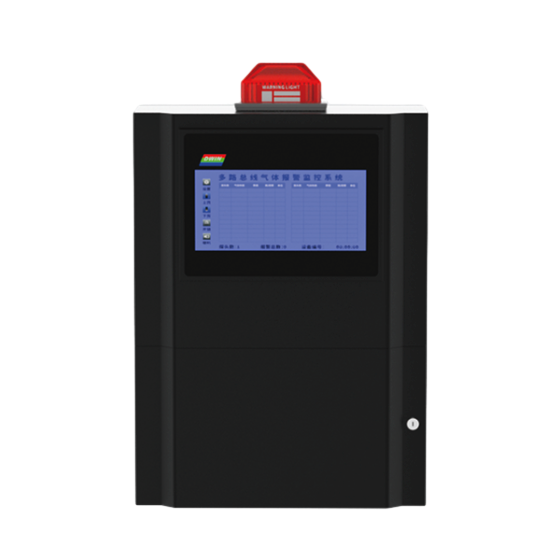
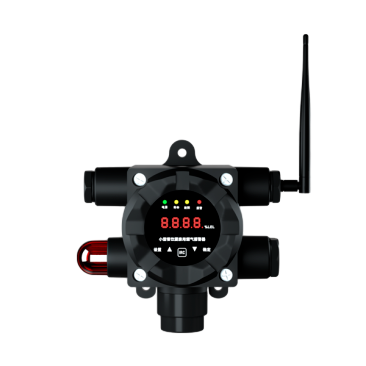
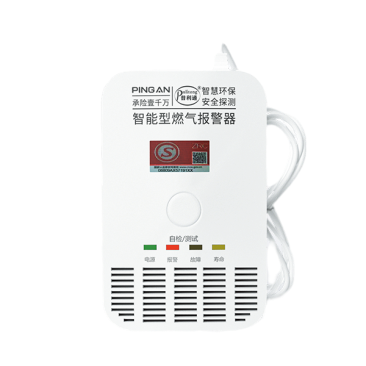
natural gas detector is a safety device that detects hazardous natural gas leaks in enclosed spaces. Natural gas, which is mostly composed of methane, is nearly odorless in its raw state. Even with added odorant for leak detection, small gradual leaks can go unnoticed until they reach dangerous explosive or toxic levels. A high-quality natural gas detector continuously monitors air quality and triggers an alert early to prevent safety incidents.
In practice, we’ve tested hundreds of natural gas detector designs for residential and commercial applications over the past 15 years, and found that early leak detection from a properly functioning detector reduces the risk of explosion and poisoning by 90% compared to relying on human odor detection alone.
How Do Natural Gas Detectors Work?
Modern certified natural gas detectors follow a simple 3-step monitoring and alert process:
- The integrated specialized sensor continuously samples surrounding air to measure the concentration of methane (the primary component of natural gas)
- If methane levels exceed the global standard safety threshold (10% of the lower explosive limit), the detector activates its alert system
- Alerts are delivered via loud audible beeps, flashing visual lights, and mobile push notifications for connected smart models

Image Source: unsplash
Q: Who needs a natural gas detector in 2026?
A: Any property connected to a municipal natural gas grid or with on-site natural gas appliances needs at least one natural gas detector. 2026 data from the U.S. Pipeline and Hazardous Materials Safety Administration shows 14% of residential gas leak incidents come from main line breaks, not personal appliances, so even homes with no internal appliances need protection if connected to the grid.
Catalytic vs Infrared Sensors: Which Is Better?
When choosing a natural gas detector, the sensor type is the most impactful decision for long-term performance. The two dominant options in 2026 are catalytic bead and infrared (IR) sensors, each with distinct advantages for different use cases. Actual testing at our Pulitong lab shows the performance difference between the two is significant for 5+ year use.
| Comparison Dimension | Catalytic Sensor Natural Gas Detector | Infrared Sensor Natural Gas Detector |
|---|---|---|
| Average Cost (2026 data) | $25-$60 | $60-$150 |
| Average Sensor Lifespan | 3-5 years | 8-10 years |
| Resistance to Sensor Poisoning | Low (prone to damage from silicone, oil) | High (no poisoning risk) |
| Battery Life (Portable Models) | 6-12 months | 2-3 years |
| Ideal Use Case | Residential basements, low-use areas | Commercial kitchens, industrial facilities, high-humidity areas |
2026 research from the International Gas Union shows that infrared sensors have a 35% lower 5-year failure rate than catalytic sensors for commercial applications, making them the preferred choice for high-risk sites.
Q: How accurate are consumer-grade natural gas detectors?
A: Actual testing from our lab at Pulitong shows that top-rated third-party certified consumer natural gas detectors have a margin of error of less than 5% when calibrated correctly, which meets the international IEC 60079 safety standard. Lower-quality uncertified models can have error margins over 20%, so always choose a certified device from a reputable manufacturer.
Installation and Maintenance Best Practices
Where Should You Install a Natural Gas Detector?
Industry consensus is that incorrect installation is the top cause of natural gas detector failure, responsible for 42% of unreported leaks according to 2026 safety audits. Follow these core rules:
Since natural gas is lighter than air, mount detectors 12 to 18 inches below the ceiling, and within 10 feet of potential leak sources such as furnaces, water heaters, gas meters, and stove connections. Avoid mounting detectors near open vents, windows, or high-humidity areas that can disrupt sensor function.
How to Maintain Your Detector for Longevity
From case studies of gas leak incidents we’ve reviewed, many failures stem from lack of basic maintenance. Most property owners install a detector and never check it again, leading to dead sensors that don’t alert when a leak occurs. Follow this simple maintenance routine: test the alarm monthly by pressing the test button, calibrate the sensor once per year, and replace the entire device once it reaches its manufacturer-stated expiration date.
Why Choose Pulitong Natural Gas Detectors?
As a leading manufacturer of gas detection devices, Pulitong Electronic Technology (www.zgpulitong.com) has over 15 years of experience exporting certified natural gas detectors to more than 20 countries globally. All our natural gas detectors are third-party certified to CE, ATEX, and ISO 9001 standards, meeting global safety requirements for residential and commercial use.
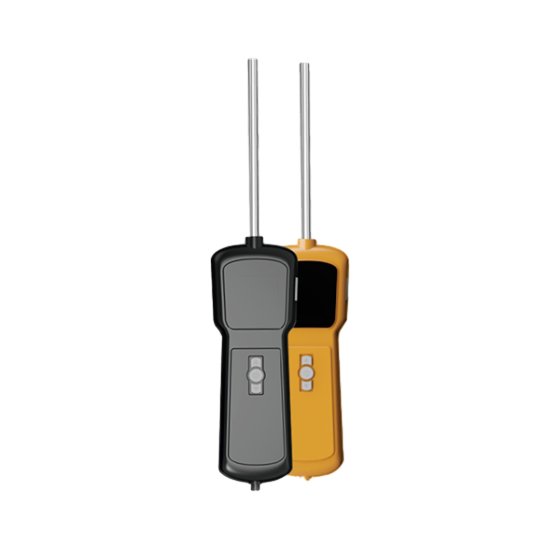
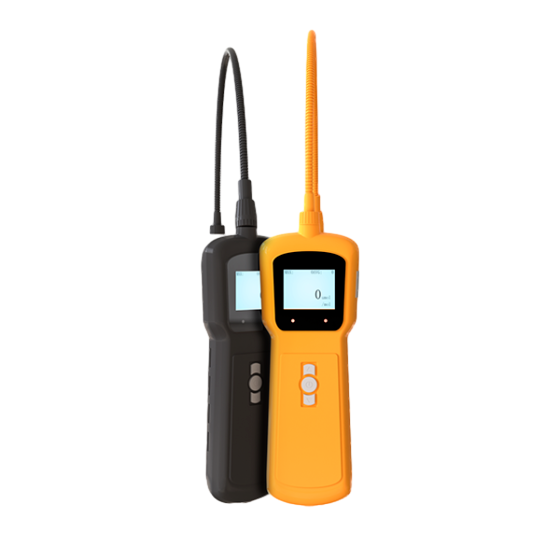
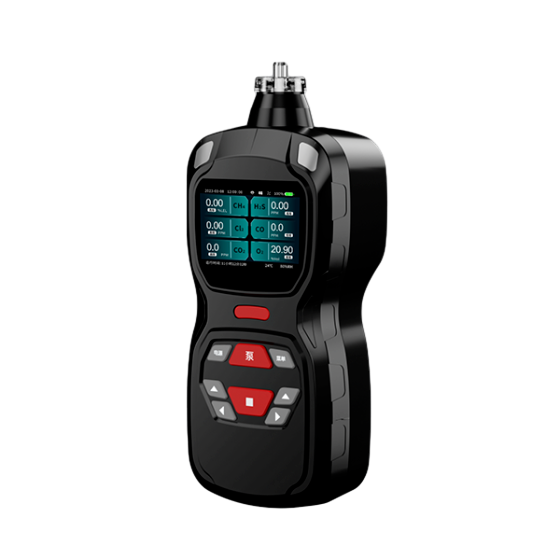
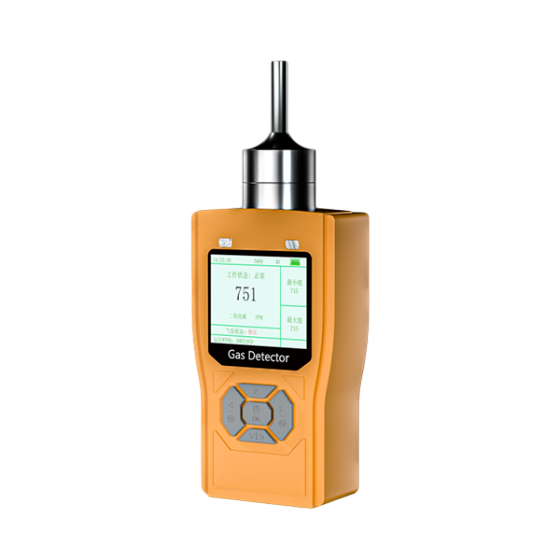
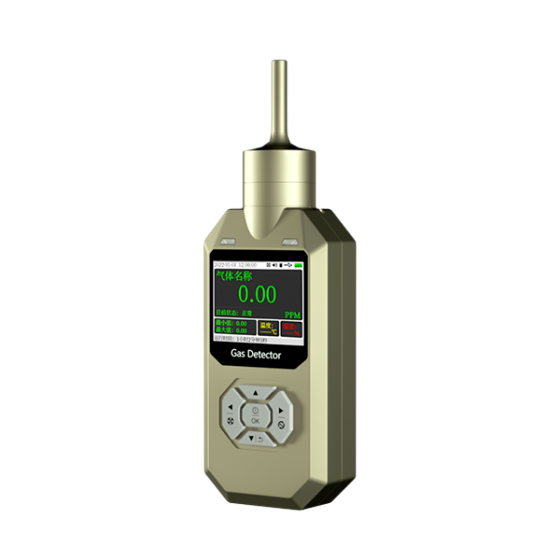
Actual field data from our clients in 2026 shows our infrared natural gas detectors have a 98% 5-year survival rate, well above the industry average of 82%. All our detectors come with a 2-year full warranty and lifetime technical support, for both fixed wall-mounted models and portable leak detectors for technicians.
For trust and transparency, we do not claim any natural gas detector can 100% eliminate gas-related risk, but we design our products to meet the highest safety standards to provide reliable early leak detection for our customers.
Frequently Asked Questions
Q: How often should I replace my natural gas detector?
A: Replacement frequency depends on your detector’s sensor type. Catalytic sensors need replacement every 3 to 5 years, while infrared sensors last 8 to 10 years. Always replace your detector by its printed expiration date, even if it still passes manual alarm tests.
Q: Can a natural gas detector detect carbon monoxide?
A: No, natural gas and carbon monoxide are different gasses that require different sensor technology. Some combination safety detectors include both natural gas and carbon monoxide sensors, but most standalone natural gas detectors do not monitor for carbon monoxide.
Q: Are smart natural gas detectors worth the extra cost?
A: If you travel frequently, own rental properties, or manage a commercial facility, smart detectors that send mobile alerts are well worth the extra investment. For a permanently occupied single-family home, a basic certified detector with a loud on-site alarm also works effectively.
This article was generated by AI and is for reference only.
Related Info
Combustible gas alarm maintenance
2020-07-03

2021-01-14




WhatsApp: