













How Gas Alarm Controllers Seamlessly Integrate with Other Safety Devices for Enhanced Security
2026-09-05
How Gas Alarm Controllers Seamlessly Integrate with Other Safety Devices for Enhanced Security
Table of Contents
1. Introduction to Gas Alarm Controllers
2. The Importance of Integration in Safety Systems
3. Types of Gas Alarm Controllers
3.1. Fixed Gas Detectors
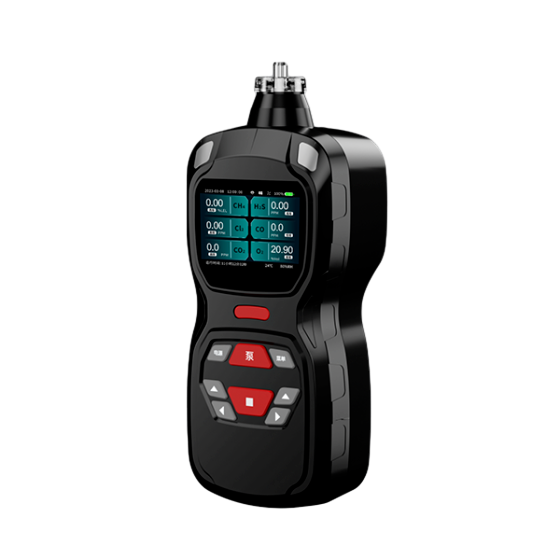
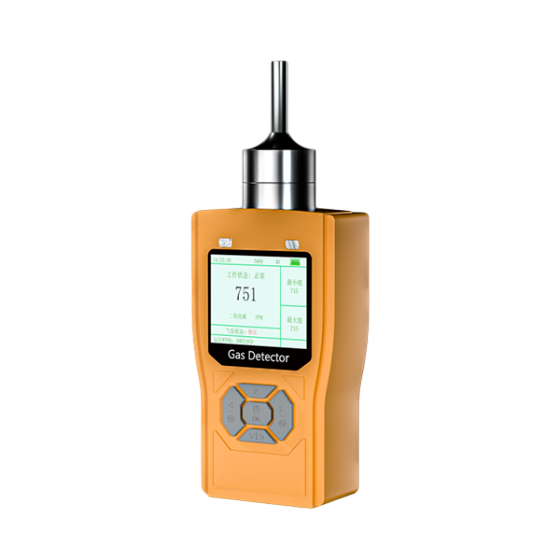
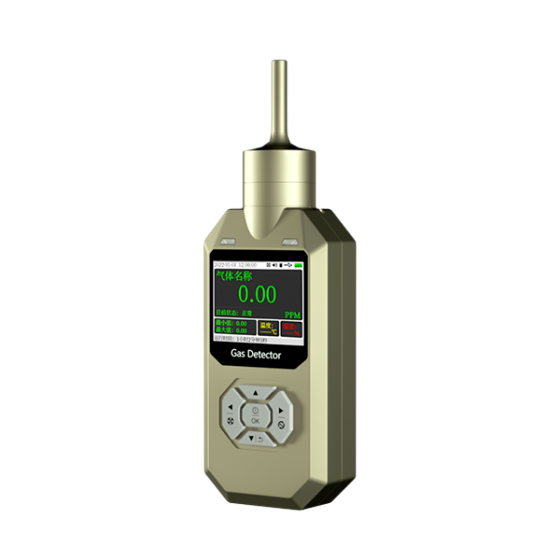
3.2. Portable Gas Detectors
4. Integration with Smoke Alarms
4.1. The Necessity of Collaboration
5. Integration with Carbon Monoxide Detectors
5.1. How They Work Together for Safety
6. Smart Home Technology and Gas Alarm Controllers
6.1. The Role of IoT in Safety Integration
7. The Benefits of a Comprehensive Safety Network
8. Frequently Asked Questions (FAQs)
9. Conclusion
1. Introduction to Gas Alarm Controllers
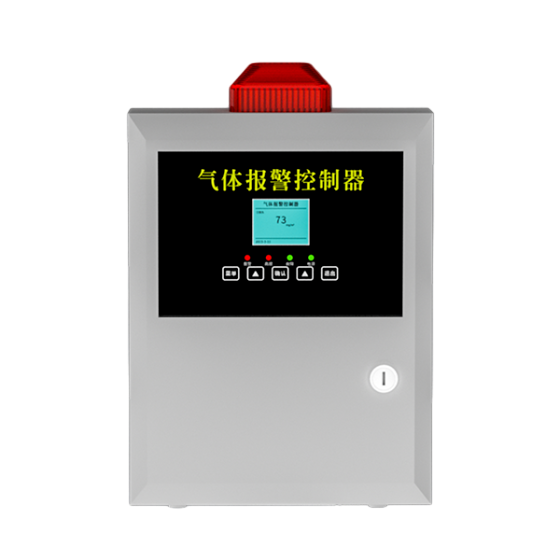
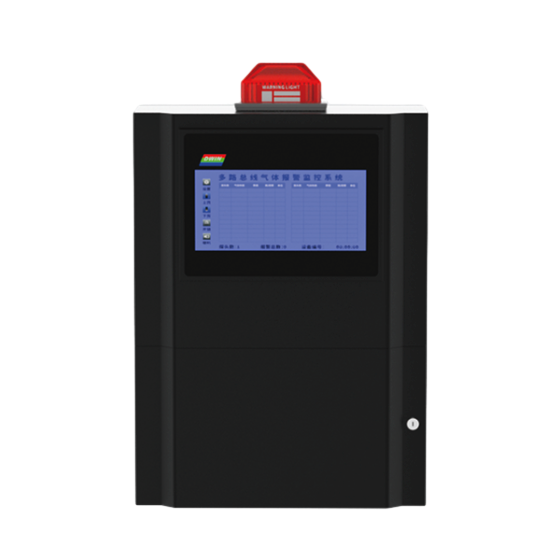
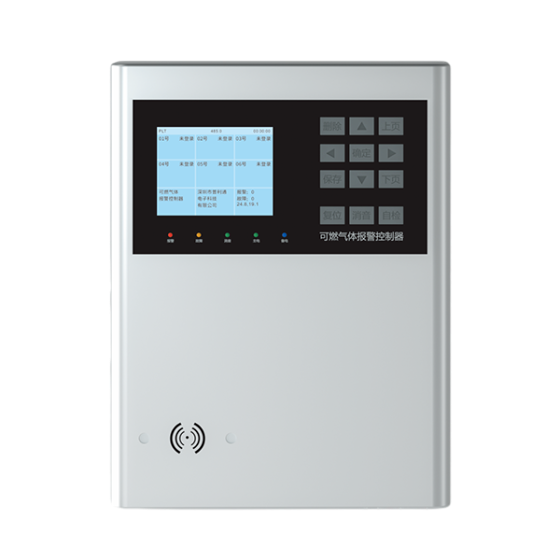
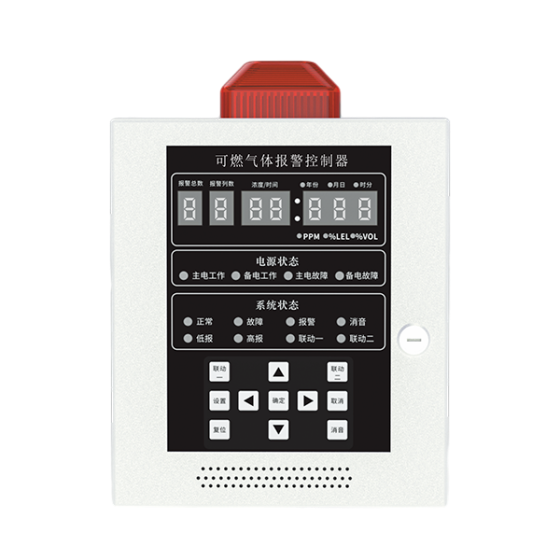
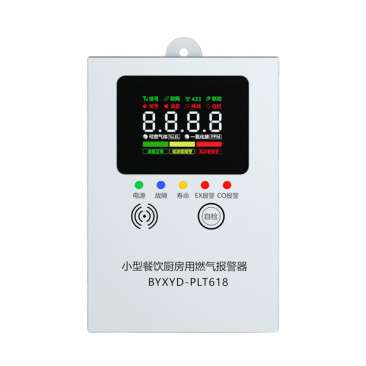
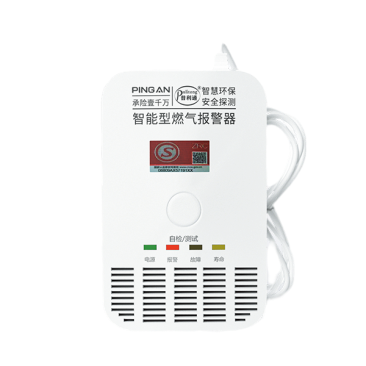
Gas alarm controllers are critical devices designed to detect the presence of harmful gases in the environment. These gases, which can include natural gas, propane, and carbon monoxide, pose serious risks to health and safety. By continuously monitoring air quality, gas alarm controllers provide early warnings, enabling timely action to prevent accidents and mitigate hazards.
2. The Importance of Integration in Safety Systems
In modern safety management, integration plays a pivotal role. A standalone gas alarm may save lives, but when combined with other safety devices, it creates a more robust defense against potential threats. Integration enhances responsiveness and ensures that various systems work in harmony, leading to increased safety and efficiency.
3. Types of Gas Alarm Controllers
Understanding the different types of gas alarm controllers on the market can help in selecting the right device for specific environments.
3.1. Fixed Gas Detectors
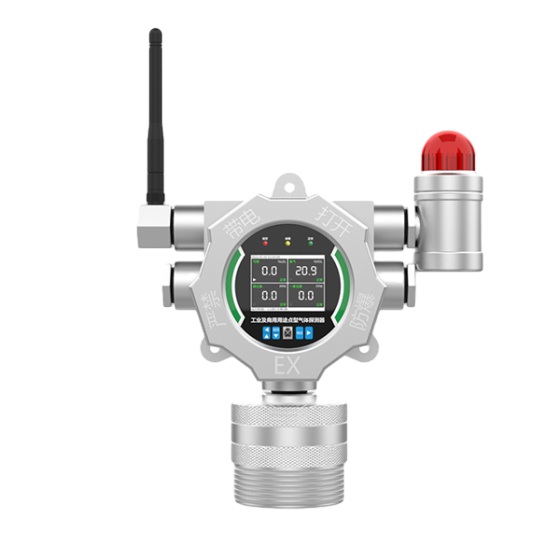
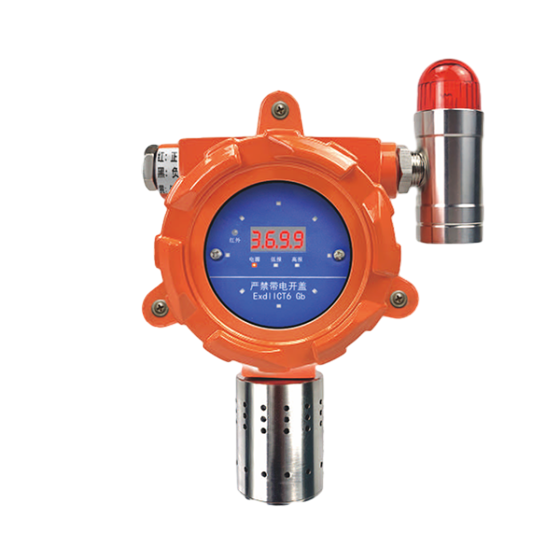
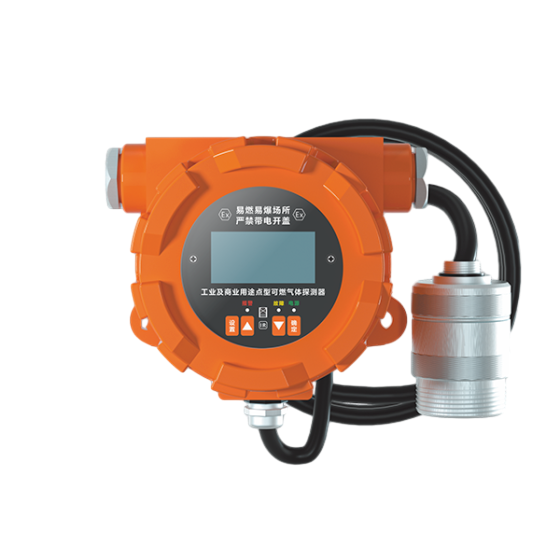
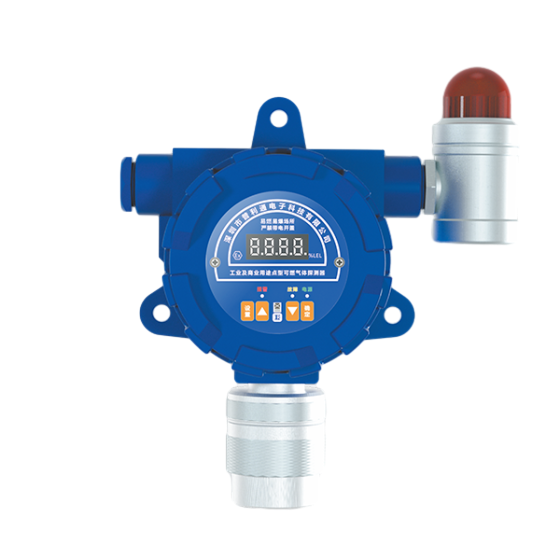
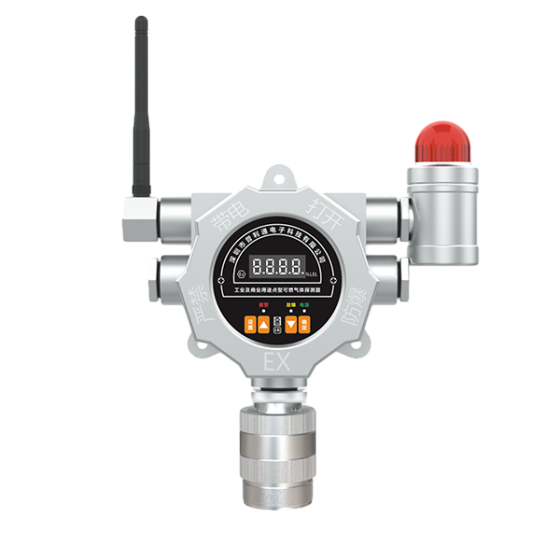
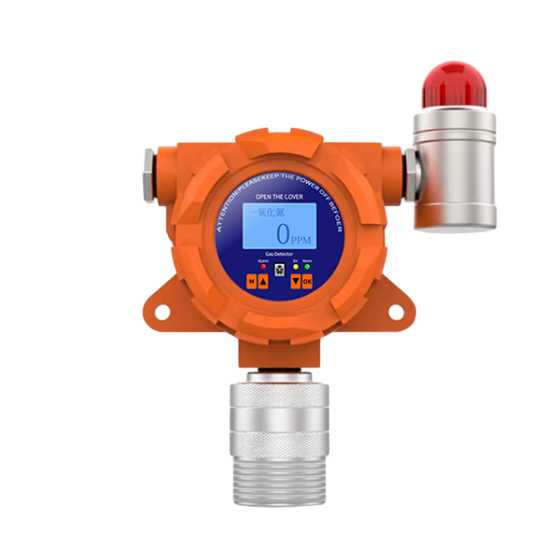
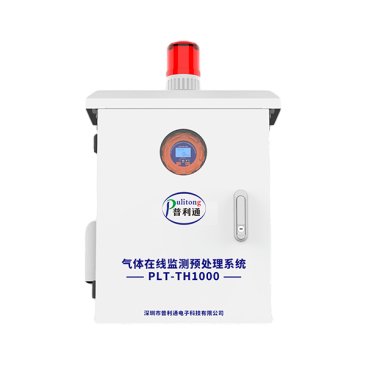
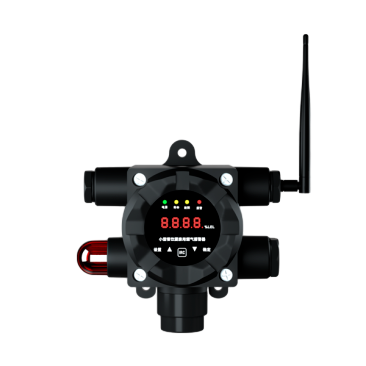
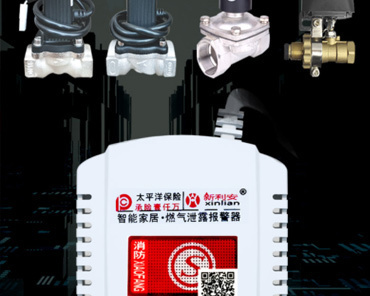
Fixed gas detectors are permanently installed in locations where gas leaks are most likely to occur. They continuously monitor the atmosphere and are often interconnected with other safety devices to provide comprehensive coverage.
3.2. Portable Gas Detectors
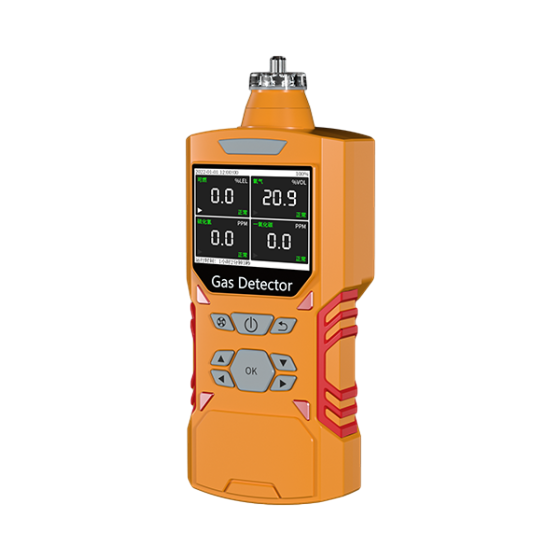
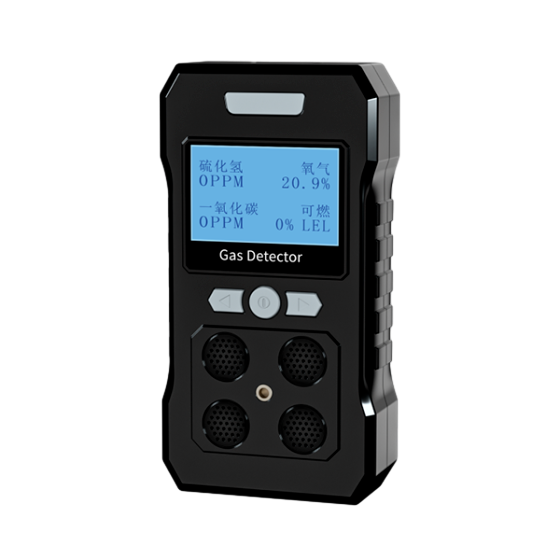
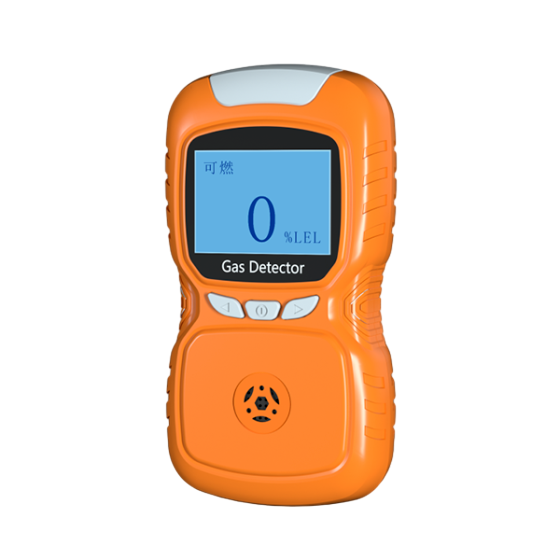
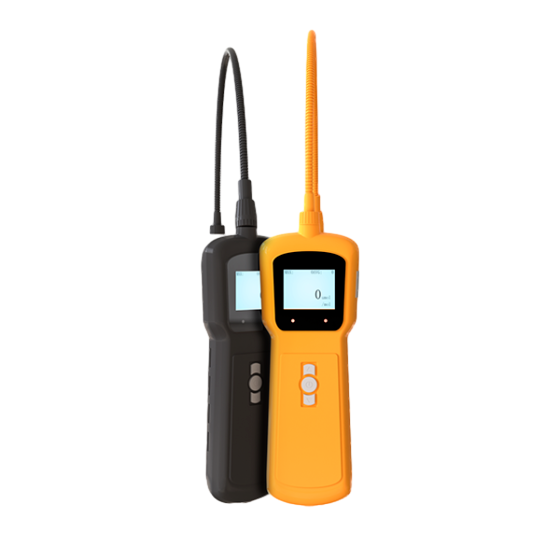
Portable gas detectors are versatile devices used in situations where mobility is essential. These detectors are favored in sectors such as construction and maintenance, where workers may need to monitor gas levels in various locations.
4. Integration with Smoke Alarms
The integration of gas alarm controllers with smoke alarms is a critical aspect of safety systems in homes and industrial settings.
4.1. The Necessity of Collaboration
When gas alarm controllers are linked with smoke alarms, they provide an enhanced layer of protection. For example, if a gas leak occurs and ignites a fire, the smoke alarm can trigger an evacuation alert, while the gas alarm works to alert individuals to the leak's presence. This collaborative response ensures that occupants are informed and can act quickly to mitigate danger.
5. Integration with Carbon Monoxide Detectors
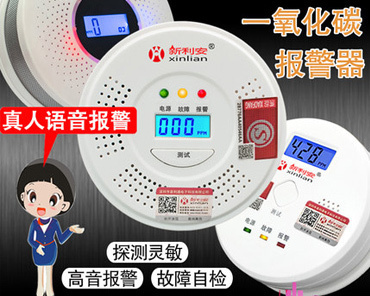
Carbon monoxide (CO) is a colorless, odorless gas that can be lethal in high concentrations. Integrating gas alarm controllers with carbon monoxide detectors is crucial for comprehensive safety.
5.1. How They Work Together for Safety
Gas alarm controllers that detect combustible gases can complement carbon monoxide detectors by providing real-time monitoring of both types of threats. This integration ensures that if CO levels rise due to appliance malfunction or poor ventilation, occupants are alerted simultaneously to gas leaks and carbon monoxide risks, promoting swift evacuation and response.
6. Smart Home Technology and Gas Alarm Controllers
As technology evolves, gas alarm controllers have embraced smart features that allow them to integrate with broader home automation systems.
6.1. The Role of IoT in Safety Integration
The Internet of Things (IoT) has revolutionized home safety. Gas alarm controllers can now communicate with smart home systems, enabling remote monitoring and alerts through smartphones. This connectivity means homeowners can receive notifications about potential gas leaks or CO threats, even when they are away from home. The integration of various safety devices through smart technology creates a comprehensive and responsive safety ecosystem.
7. The Benefits of a Comprehensive Safety Network
Creating a network of interconnected safety devices offers numerous advantages.
1. **Enhanced Response Time**: Integrated systems can provide immediate alerts to multiple hazards, reducing response time and allowing for quicker action.
2. **Greater Peace of Mind**: Knowing that various safety devices are working together provides reassurance to homeowners and businesses alike.
3. **Cost Efficiency**: A well-integrated safety system can lead to potential savings on insurance and reduced emergency response costs.
4. **Simplified Maintenance**: Many integrated systems can notify users when maintenance is required, ensuring that safety devices are always functioning optimally.
8. Frequently Asked Questions (FAQs)
1. What types of gases can gas alarm controllers detect?
Gas alarm controllers can detect various hazardous gases, including natural gas (methane), propane, carbon monoxide, and hydrogen sulfide.
2. How often should I test my gas alarm controllers?
It is advisable to test gas alarm controllers monthly and replace them according to the manufacturer's recommendations, typically every 5 to 7 years.
3. Can gas alarm controllers integrate with my home security system?
Yes, many modern gas alarm controllers can integrate with home security systems, providing comprehensive monitoring and alerts.
4. What should I do if my gas alarm goes off?
If your gas alarm activates, evacuate the area immediately, avoid using electronics, and contact emergency services or your gas supplier for assistance.
5. Are portable gas detectors suitable for residential use?
While portable gas detectors are primarily designed for industrial use, they can be beneficial in residential settings, especially when working in confined spaces or during maintenance.
9. Conclusion
Gas alarm controllers are essential components of modern safety systems, especially when integrated with other devices like smoke alarms and carbon monoxide detectors. This integration not only enhances responsiveness but also creates a more robust safety network that protects lives and property. As technology advances, the potential for smarter, more efficient safety systems continues to grow, paving the way for a future where safety is seamlessly woven into our daily lives. Investing in a comprehensive safety system is not just a choice; it is a necessity for ensuring a secure environment in both residential and industrial settings.
Related Info


WhatsApp: