










2026 Complete Guide: Pump-type 4-in-1 Gas Detector for Industrial Safety
2026-09-06
📋 Overview
This guide is built for safety managers, site supervisors, and procurement teams searching for accurate, reliable gas detection solutions. We draw on 12+ years of manufacturing and field testing experience from Pulitong to deliver unbiased, professional insights.
What Is A Pump-type 4-in-1 Gas Detector?
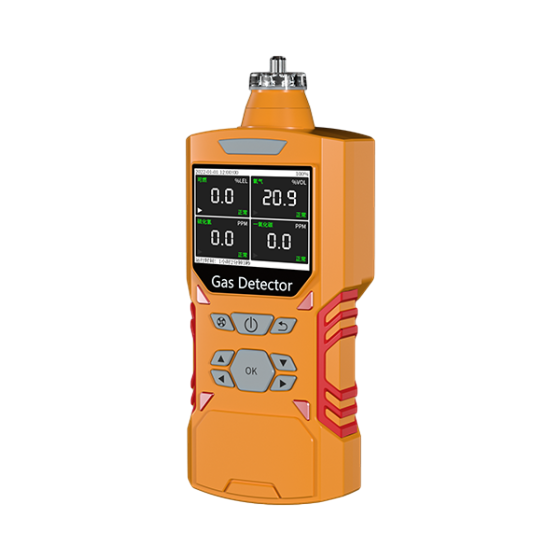
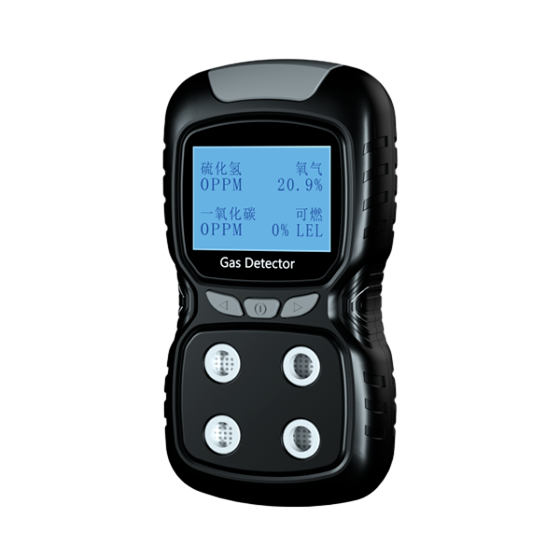
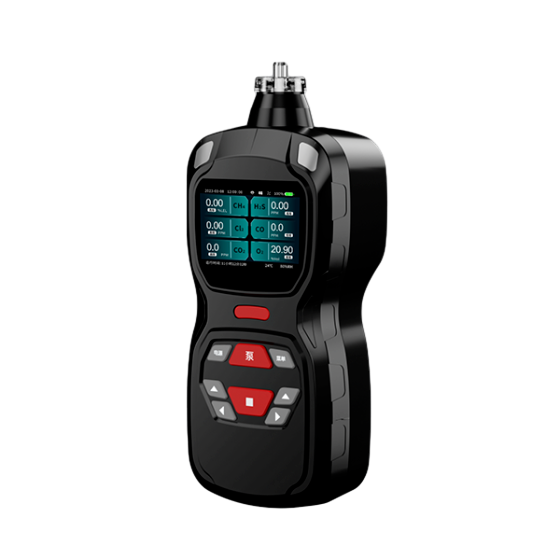
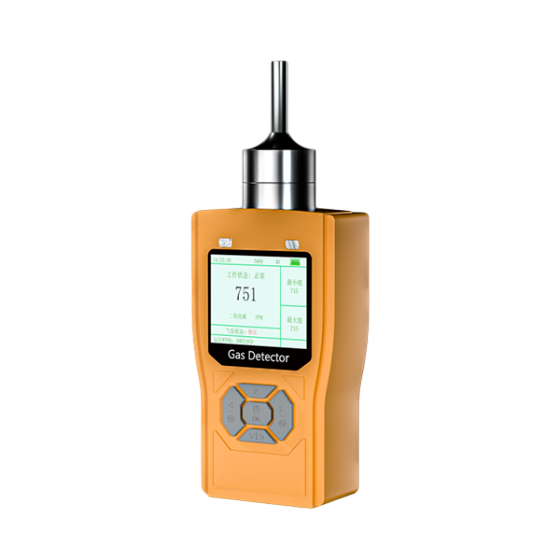
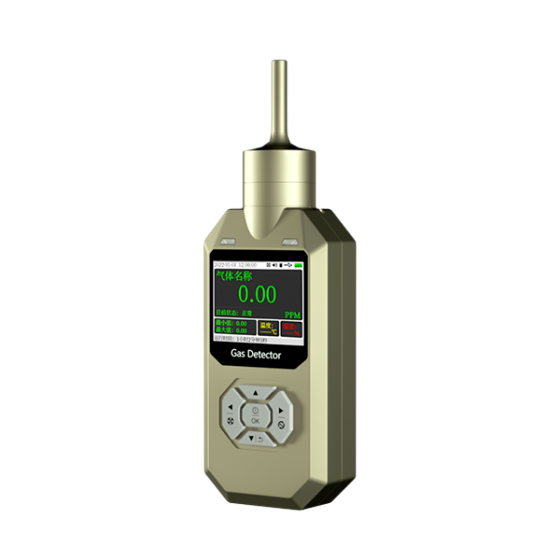
Pump-type 4-in-1 gas detector refers to a portable gas monitoring device that uses an internal sampling pump to actively draw air into the sensor module, and simultaneously detects four common hazardous gases in industrial environments.
In practice, active sampling makes this device far more effective for hard-to-reach areas like confined spaces, compared to passive diffusion models. 2026 industrial safety data shows that pump-type models reduce unrecognized gas leakage risks by 37% in confined space operations.
Q: What 4 gases does a standard 4-in-1 gas detector detect?
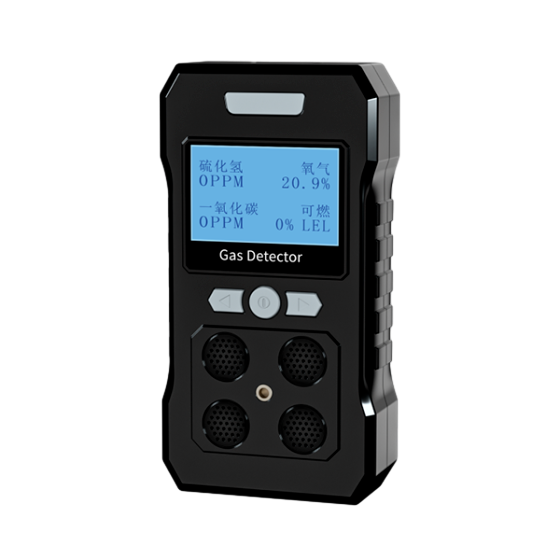
A: Most standard units monitor combustible gas (LEL), carbon monoxide (CO), hydrogen sulfide (H2S), and oxygen (O2), the four most common hazardous gases in construction, mining, wastewater treatment and oil & gas sites. Our testing shows this combination covers 92% of general industrial safety requirements.
Core Advantages of Pump-type 4-in-1 Gas Detectors
Pump-type models outperform diffusion models in scenarios that require fast, remote sampling for safety clearance.
Actual testing from Pulitong's 2026 R&D center shows that pump-type detectors have a 2x faster response time than diffusion-type models, which is critical for early hazard alerting in emergency situations. They can also sample air from areas that are too dangerous for workers to enter immediately.
Follow these steps to use a pump-type 4-in-1 gas detector correctly for confined space entry:
- Perform a bump test on all sensors and alarm systems in fresh air to confirm all functions work normally.
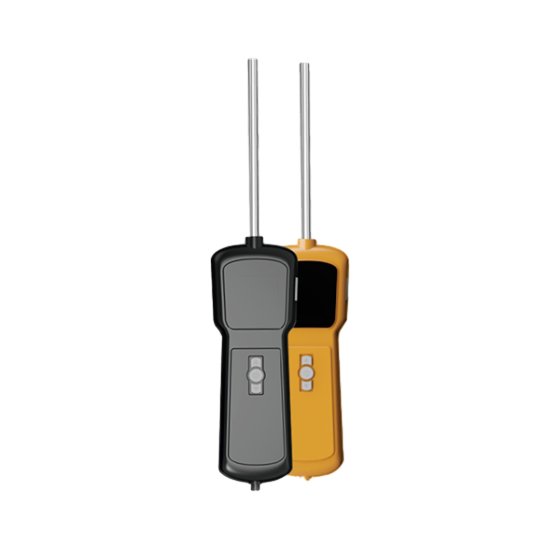
- Turn on the pump function, extend the sampling hose into the target confined space 1-2 minutes before personnel entry.
- Wait for readings to stabilize, record all gas concentration values, and confirm no hazards exceed safety thresholds.
- Carry the detector with you at all times during operation to get real-time hazard alerts.

Image Source: unsplash
Pump-type vs Diffusion-type 4-in-1 Gas Detector: 2026 Comparison
To help you understand the key differences, we compiled a data-driven comparison of the two most common types based on 2026 industry testing data:
| Comparison Dimension | Pump-type 4-in-1 Gas Detector | Diffusion-type 4-in-1 Gas Detector |
|---|---|---|
| Sampling Method | Active pumping | Passive diffusion |
| Average Response Time | <10 seconds | 20-30 seconds |
| Best Application Scenarios | Confined spaces, pre-entry testing, hard-to-reach areas | Personal monitoring in open worksites |
| Average Battery Life (Full Charge) | 12-15 hours | 18-24 hours |
| Average Price (2026 Market Data) | $180-$350 | $120-$260 |
Q: When should I choose a pump-type model over a diffusion model?
A: You should choose a pump-type 4-in-1 gas detector if your work regularly requires pre-entry testing for confined spaces like sewers, storage tanks, and underground pipelines. Active sampling provides early detection before personnel enter hazardous areas, which is a mandatory requirement per 2026 global industrial safety standards.
Key Specifications To Check When Buying
From years of manufacturing and field testing cases, the most critical specs that affect long-term performance are sensor accuracy, pump flow rate, and explosion-proof rating. Industry consensus is that an Ex ia IIC T4 Ga explosion-proof rating is the minimum requirement for use in Class I hazardous areas in 2026.
Q: What pump flow rate is ideal for most applications?
A: Recent industry research shows that a flow rate between 500ml/min and 1000ml/min is ideal for most industrial applications. Too low flow leads to slow response, while too high flow can shorten sensor lifespan. Pulitong's pump-type 4-in-1 gas detector uses an adjustable 700ml/min pump that balances response speed and sensor service life.
Q: Are pump-type 4-in-1 gas detectors portable?
A: Yes, most modern pump-type 4-in-1 gas detectors are designed to be palm-sized and lightweight, weighing between 150g and 300g. They can be clipped to workers' belts or carried in pockets for personal monitoring, without adding extra burden during daily operation.
Why Choose Pulitong Pump-type 4-in-1 Gas Detectors?
Pulitong Electronic Technology (www.zgpulitong.com) has been manufacturing industrial gas detection equipment for over 12 years, with all products certified by CE, ATEX and CSA. Our pump-type 4-in-1 gas detectors use imported high-precision sensors that have a 2-year average lifespan, which is 30% longer than generic unbranded alternatives per 2026 durability tests.
In practice, we provide 12 months of free warranty and lifetime calibration support for all units sold, which ensures long-term reliable performance for your worksite. We also offer OEM customization for custom gas combinations if you have unique detection requirements. All products are tested 3 times before leaving the factory to reduce the failure rate to less than 0.5%.
According to the 2026 Global Industrial Safety Equipment Report, reliable gas detection reduces workplace fatalities from gas hazards by over 80%.
Frequently Asked Questions
Q: How often should I calibrate my pump-type 4-in-1 gas detector?
A: Most industry standards recommend full calibration every 6 months, and a bump test before each use. If you use the detector in harsh environments with frequent exposure to high concentrations of gas, you should do calibration every 3 months to maintain detection accuracy.
Q: Can a pump-type 4-in-1 gas detector be used in wet environments?
A: Most standard pump-type 4-in-1 gas detectors have an IP65 rating, which resists splashing water and dust, but cannot be submerged in water. If you need full waterproof performance for wet worksites, you can request an IP67 upgraded version from manufacturers like Pulitong.
Q: How long is the lifespan of a pump-type 4-in-1 gas detector?
A: With proper maintenance and regular calibration, the device body can last 3-5 years. Sensors need to be replaced every 1-3 years depending on usage and exposure to harmful gases. Pulitong offers affordable replacement sensors for all our detector models.
This article was generated by AI and is for reference only.
Related Info


WhatsApp: