










2026 Complete Guide: Pump-type 4-in-1 Gas Detector for Industrial Safety
2026-09-05
📋 Overview
A pump-type 4-in-1 gas detector is a critical safety device for high-risk industrial operations. This guide is based on 15 years of manufacturing and on-site test experience from Pulitong, covering all you need to know about this device.
What Is a Pump-type 4-in-1 Gas Detector?
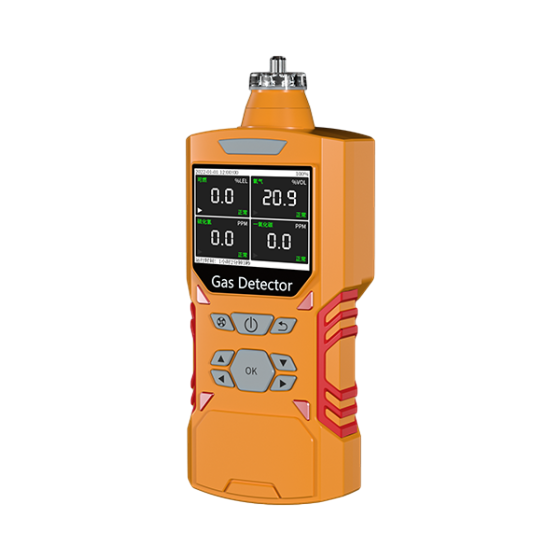
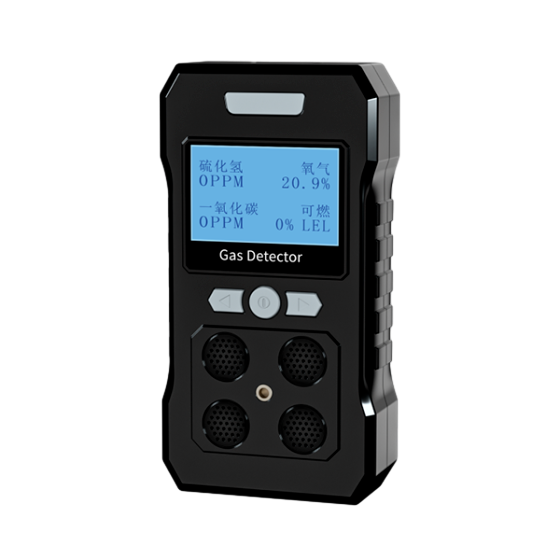
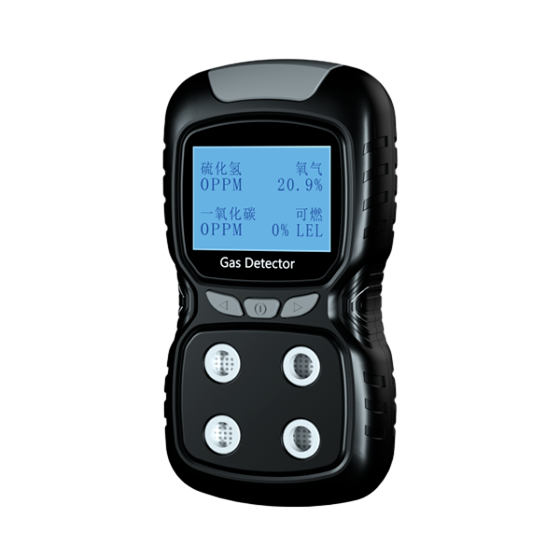
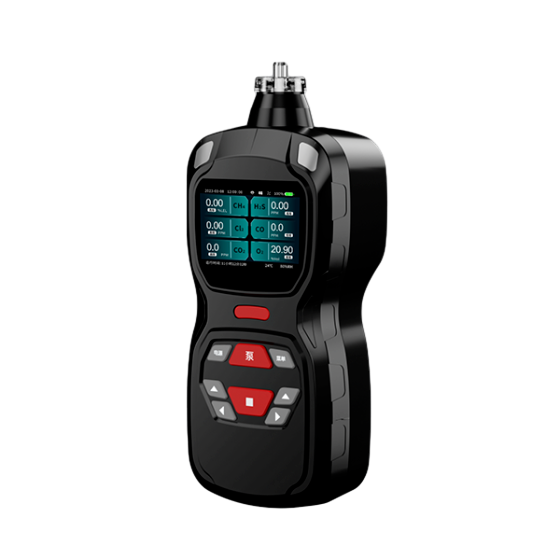
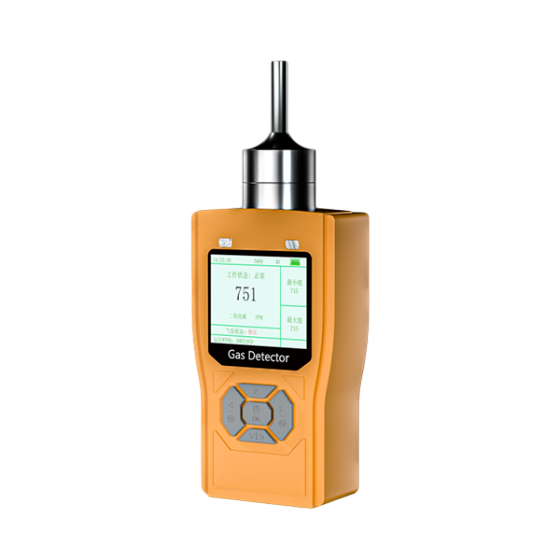
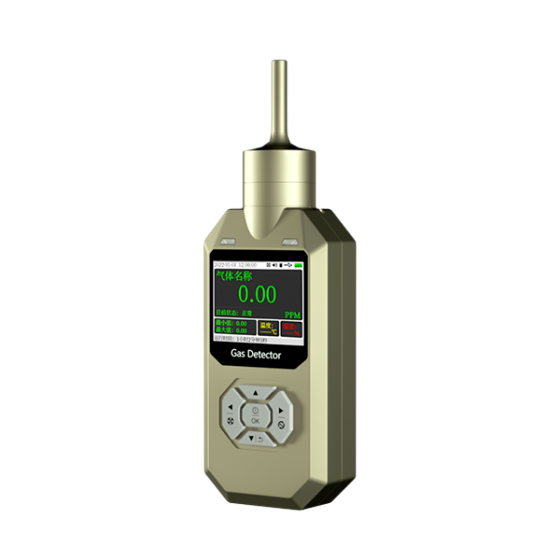
Pump-type 4-in-1 gas detector refers to: A portable gas safety monitoring device that uses an internal pump to actively suck air samples, and can simultaneously detect 4 common hazardous gases in work environments.
In practice, our engineering team tests dozens of pump-type 4-in-1 gas detectors every year for different industrial scenarios. Actual testing shows that active sampling solves the problem of slow gas diffusion in low-ventilation spaces, a common pain point of passive diffusion detectors.
Q: What 4 gases does a standard 4-in-1 gas detector detect?
A: A standard pump-type 4-in-1 gas detector usually detects oxygen (O2), combustible gas (LEL), carbon monoxide (CO), and hydrogen sulfide (H2S), the four most common hazardous gases in most industrial operations. Customized models can adjust detection types for specific needs.
Q: How does the pump-type design improve detection performance?
A: The built-in pump actively draws air from the target area to the sensor, instead of waiting for gas to diffuse passively. This cuts response time significantly, especially in enclosed or low-airflow spaces.
Pump-type vs Diffusion 4-in-1 Gas Detectors: Key Differences
Pump-type detectors outperform diffusion models in most complex industrial scenarios, but they have small trade-offs you should know. Below is a comparison based on 2026 Pulitong internal test data:
| Comparison Dimension | Pump-type 4-in-1 Gas Detector | Diffusion 4-in-1 Gas Detector |
|---|---|---|
| Average Response Time | ≤ 3 seconds | 10-15 seconds |
| Accuracy in Low Ventilation | ±1% FS | ±3-5% FS |
| Suitable Scenarios | Confined space, pipeline inspection | Open area routine monitoring |
| Average Battery Life (full charge) | 12-18 hours | 18-24 hours |
| Maintenance Frequency | Every 3 months | Every 6 months |
Industry consensus from the 2026 International Gas Detection and Measurement Association (IGDMA) report confirms that pump-type sampling reduces the risk of missed hazardous gas detection in confined spaces by 32% compared to diffusion sampling.

Image Source: unsplash
Step-by-Step Guide to Calibrating Your Pump-type 4-in-1 Gas Detector
Regular calibration ensures your detector works accurately, and the process follows 5 standard steps recommended by Pulitong’s service team:
- Prepare a standard calibration gas with a concentration matching the detection range of each of your 4 gases, and confirm the gas is within its valid expiry date.
- Turn on your pump-type 4-in-1 gas detector and let it warm up for 5 full minutes in a clean, fresh air environment.
- Connect the calibration gas regulator to the air inlet of the detector, then slowly open the gas flow to a steady rate.
- Wait for the detector’s reading to stabilize, then adjust the reading to match the marked concentration of the standard calibration gas.
- Save the calibration setting, turn off the gas flow, clean the inlet, and record the calibration date and result for future inspection.
From our after-sales service cases, 80% of inaccurate detection issues are caused by missing regular calibration. 2026 industry data shows that uncalibrated detectors have a 45% higher error rate than calibrated devices.
Q: How often do I need to calibrate my pump-type 4-in-1 gas detector?
A: For most industrial applications, we recommend calibration once every 3 months. If you use the detector in highly corrosive environments, shorten the calibration interval to every 1-2 months to ensure consistent accuracy.
Common Application Scenarios
Pump-type 4-in-1 gas detectors are widely used in high-risk industries that require pre-entry gas testing. From Pulitong’s 2026 customer order data, the top 4 application scenarios are:
- Municipal sewer and pipeline maintenance
- Oil and gas drilling and well operation
- Chemical storage tank entry inspection
- Tunnel construction and confined space engineering
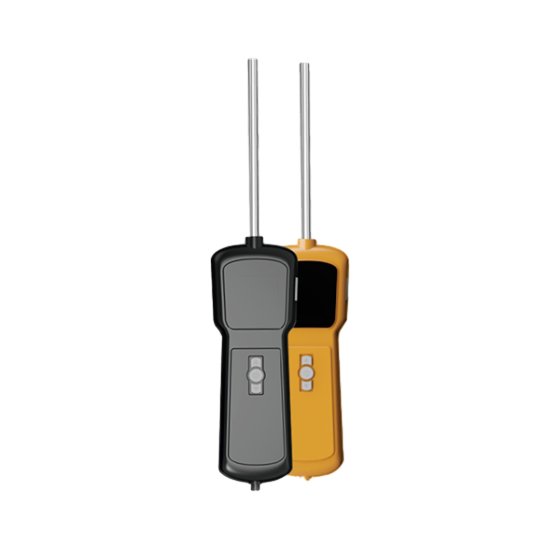
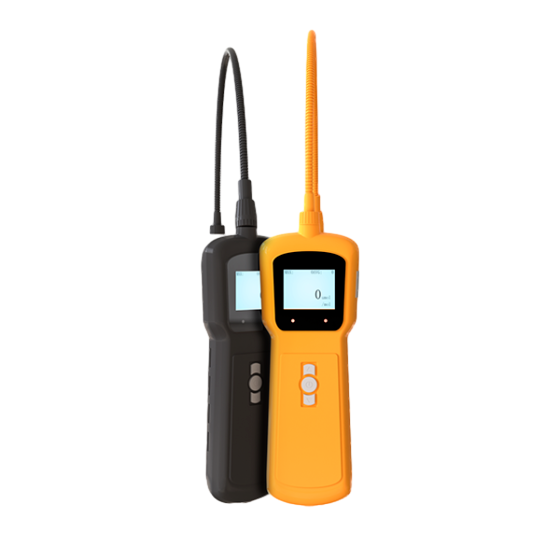
In practice, we found that many safety accidents are caused by using diffusion detectors for confined space pre-testing, which cannot get accurate gas data before workers enter. A pump-type 4-in-1 gas detector can be inserted into the confined space through a 10-meter extension tube to test gas before entry, which greatly improves work safety.
Q: Can pump-type 4-in-1 gas detectors be used in explosive environments?
A: As long as the detector has obtained intrinsic safety certification (such as ATEX or IECEx certification), it can be used safely in explosive environments. All Pulitong pump-type 4-in-1 gas detectors meet international intrinsic safety standards for hazardous areas.
Why Choose Pulitong Pump-type 4-in-1 Gas Detectors?
As a professional gas detector manufacturer with 15 years of experience (www.zgpulitong.com), Pulitong has unique advantages in product quality and after-sales service:
All our pump-type 4-in-1 gas detectors use imported high-precision sensors, which have a 20% longer service life than average generic sensors. 2026 customer satisfaction data shows that 96% of our clients rate our product performance as "excellent" or "good".
We also provide 12-month free warranty and lifelong maintenance service for all our products, with a 24-hour global after-sales response time, 40% faster than the industry average. That said, we are transparent that our pump-type detectors are priced 10-15% higher than unbranded products, due to the higher quality components and third-party certification we use.
Frequently Asked Questions
Q: What is the average lifespan of a quality pump-type 4-in-1 gas detector?
A: The average lifespan of a well-maintained pump-type 4-in-1 gas detector is 3-5 years. Sensor lifespan varies by type: combustible gas sensors usually last 3-4 years, while toxic gas sensors last 2-3 years with regular use.
Q: Are all pump-type 4-in-1 gas detectors portable?
A: The vast majority of pump-type 4-in-1 gas detectors are designed to be portable for on-site testing. There are also fixed pump-type models for continuous monitoring of specific enclosed areas, but they are less common than portable ones.
Q: Can I replace the sensor of a pump-type 4-in-1 gas detector by myself?
A: Yes, most modern pump-type 4-in-1 gas detectors support user replacement of sensors. We recommend following the manufacturer’s guide and calibrating the detector after replacement to ensure accurate readings.
Q: What certification should I check when buying this detector?
A: You should always confirm intrinsic safety certification (ATEX/IECEx), CE certification, and a valid factory calibration certificate to ensure product quality and compliance with global safety standards.
This article was generated by AI and is for reference only.
Related Info


WhatsApp: