
















The Essential Guide to Single Gas Detectors: Ensuring Safety in Environmental Monitoring
2026-07-02
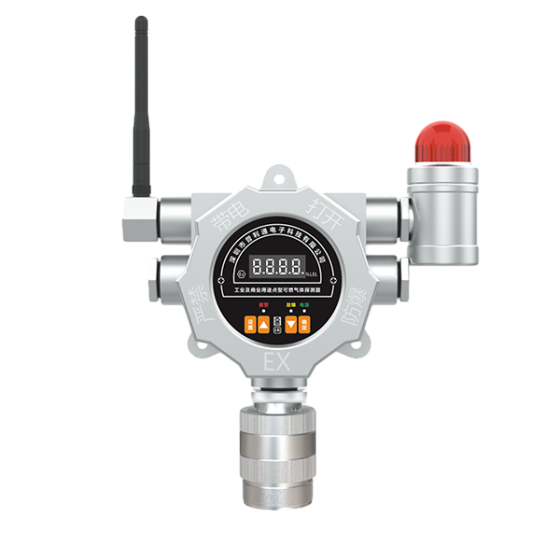
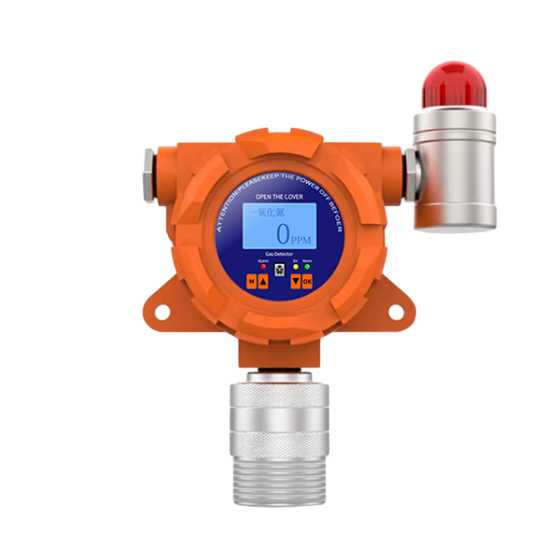
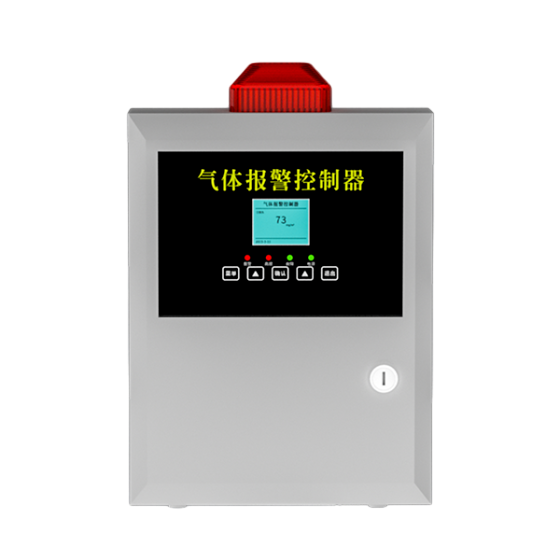
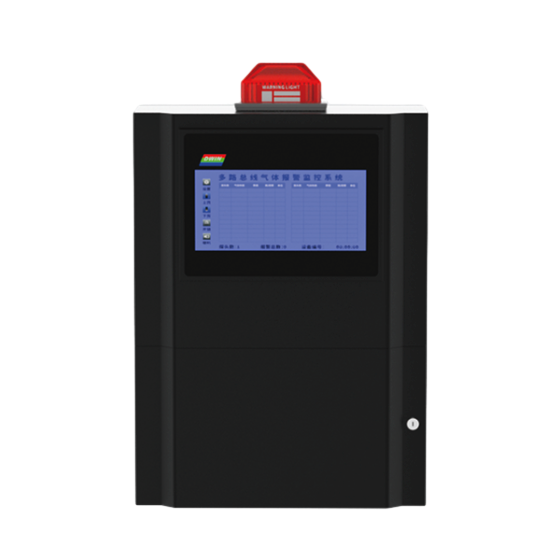
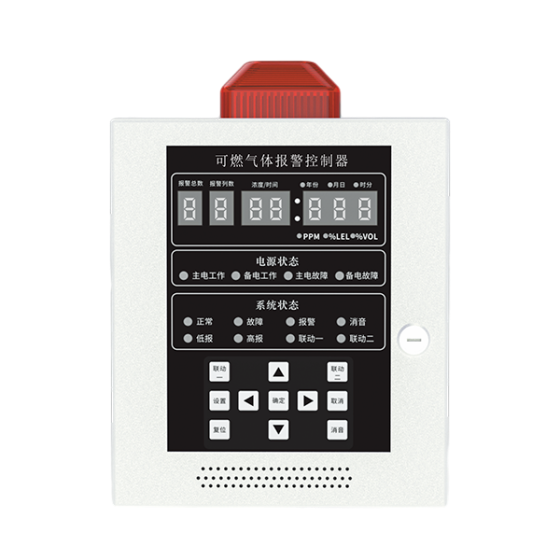
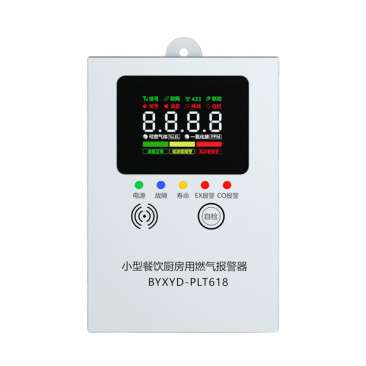
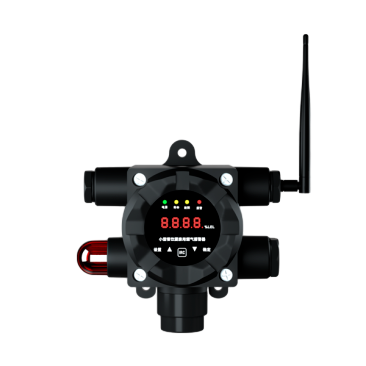
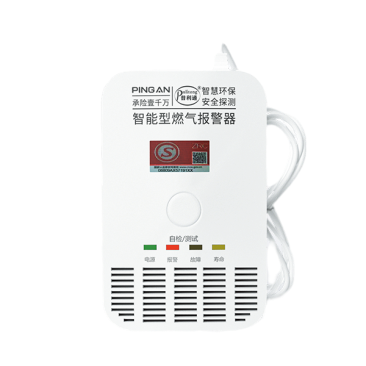
Single gas detectors are specialized instruments designed to monitor the concentration of a specific gas in the environment. These devices are vital in various industries, including manufacturing, oil and gas, and waste management, where hazardous gases may pose serious health risks to workers and the surrounding environment. Understanding how these detectors function and their benefits can enhance safety protocols and compliance with regulatory standards.
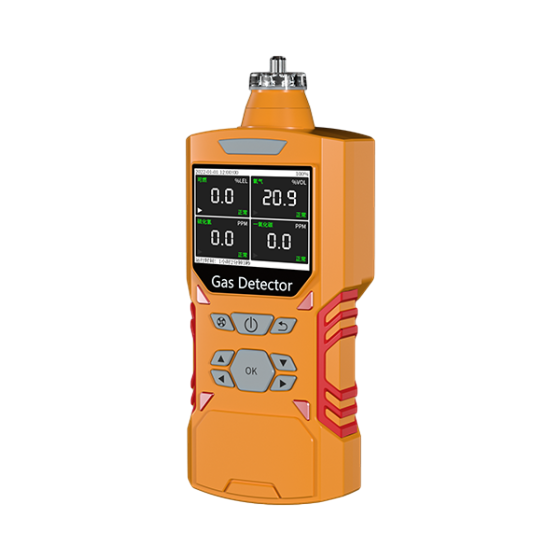
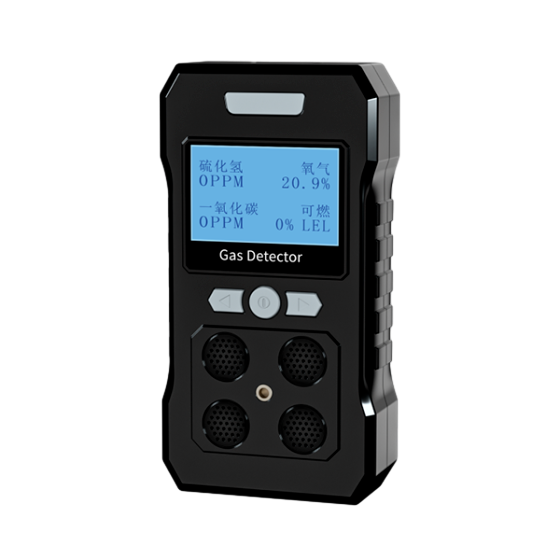
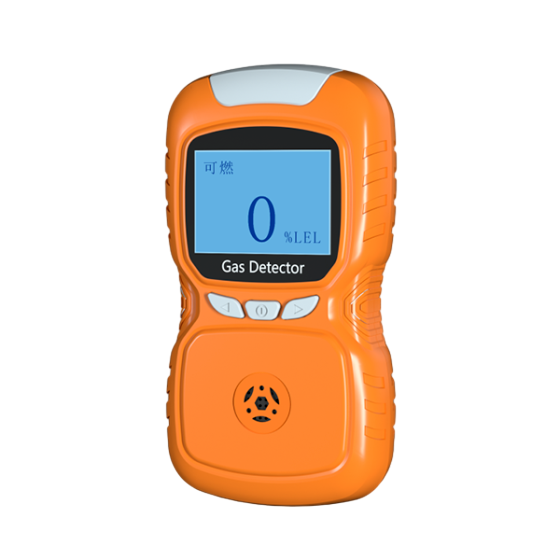
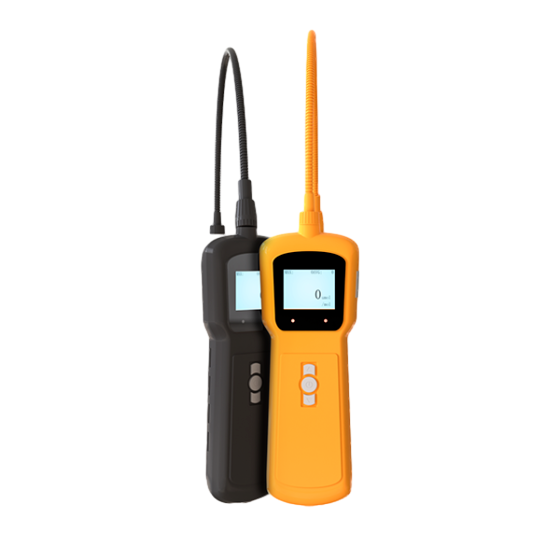
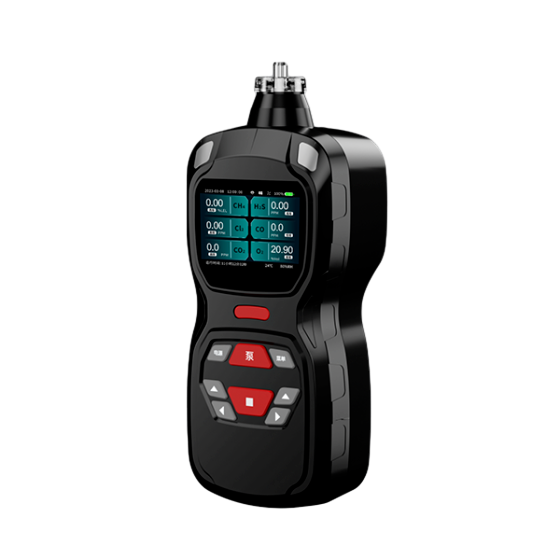
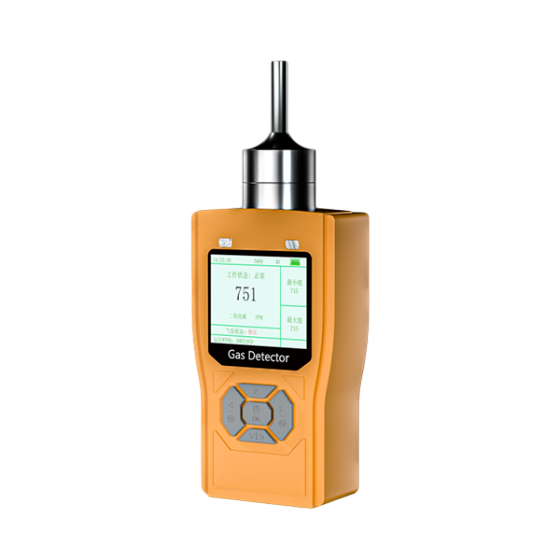
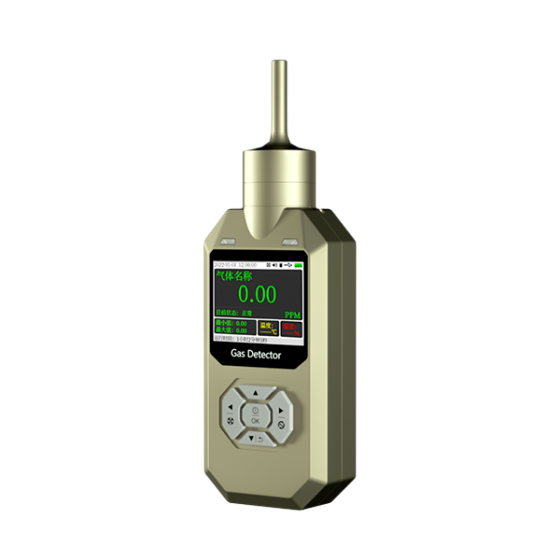
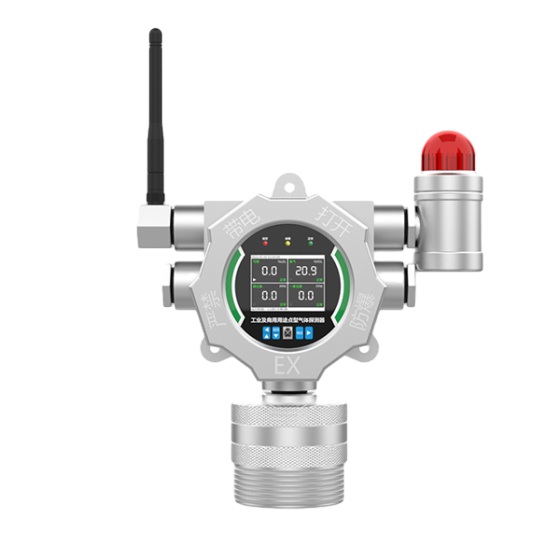
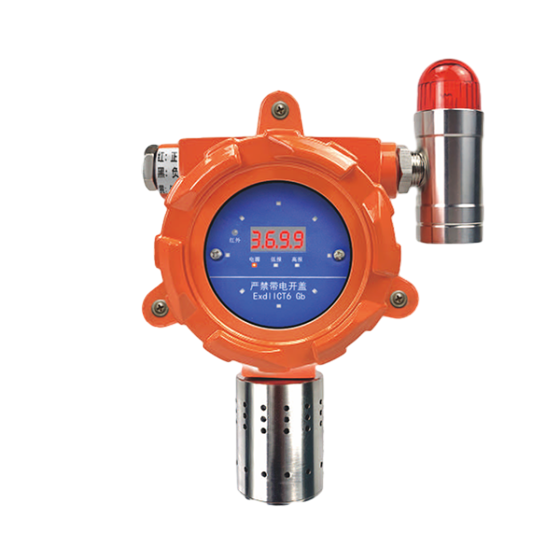
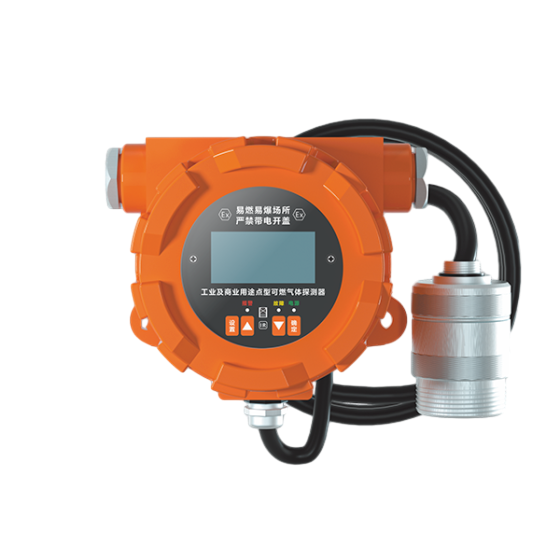
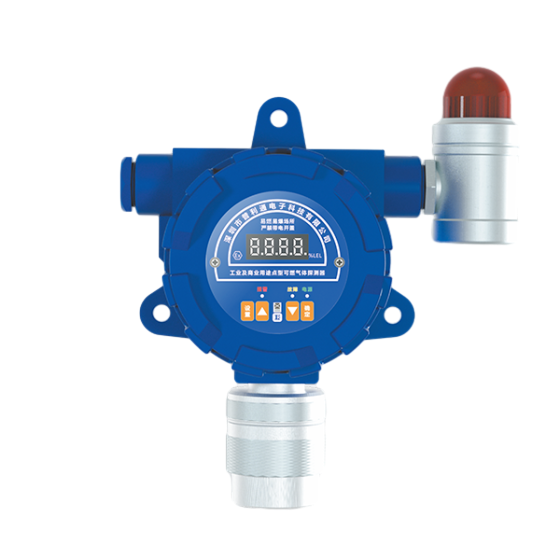
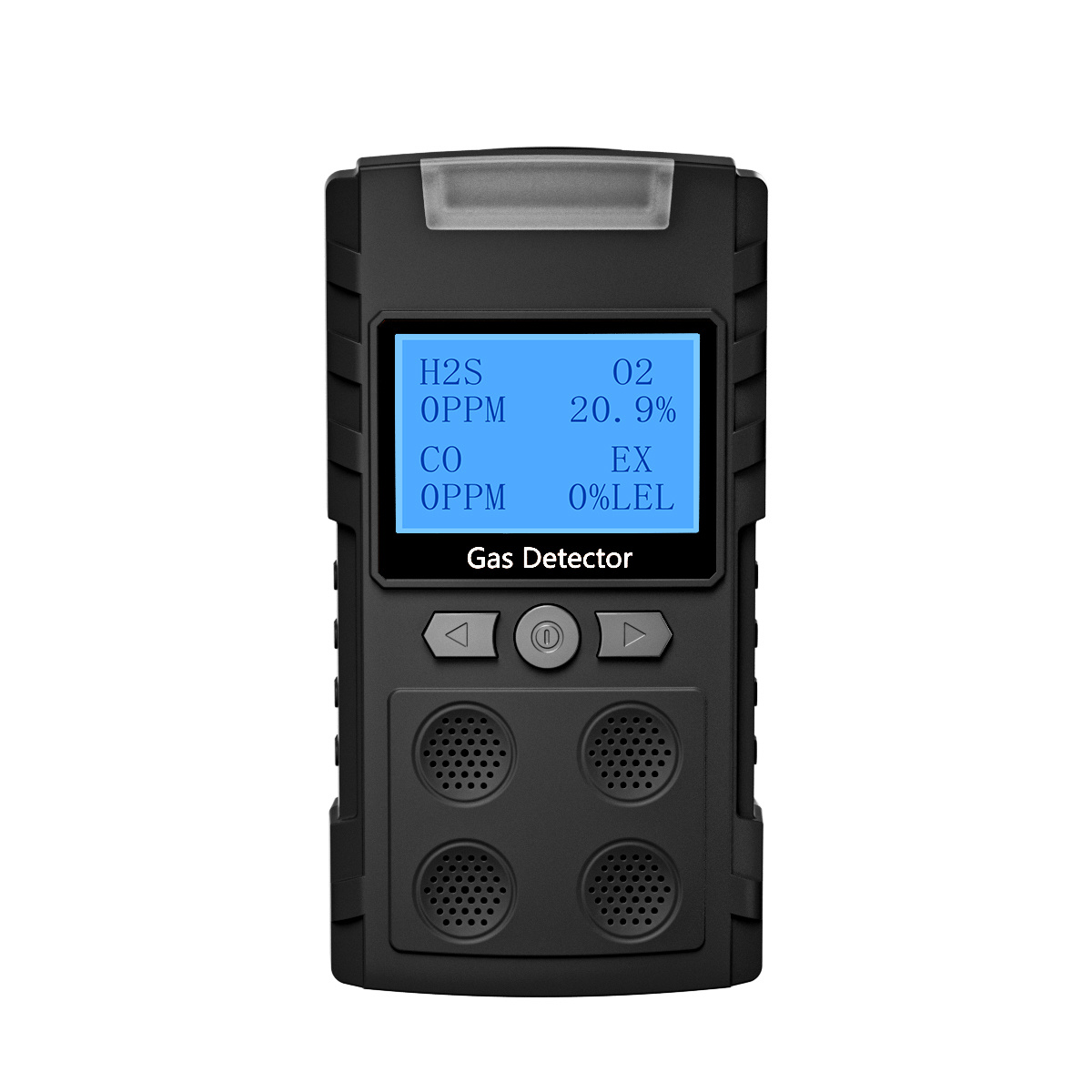
One of the primary advantages of single gas detectors is their simplicity and ease of use. These devices generally feature a straightforward design that allows for quick deployment and operation. Users can easily carry them, making them ideal for fieldwork and emergency response situations. Additionally, many single gas detectors come with audible and visual alarms to alert users when gas concentrations exceed safe levels, providing an essential layer of protection.
Single gas detectors are available for various gases, including carbon monoxide, hydrogen sulfide, and chlorine. Selecting the right detector is critical, as each gas has unique properties and exposure limits. When choosing a single gas detector, consider factors such as the detection range, response time, calibration requirements, and battery life. It's essential to ensure that the detector is suitable for the specific environment in which it will be used. For instance, some detectors are designed for harsh conditions, while others may be better suited for indoor applications.
Regular maintenance and calibration of single gas detectors are crucial for ensuring their accuracy and reliability. Users should adhere to the manufacturer's guidelines for calibration intervals and routine checks. This ensures that the detector functions optimally and provides accurate readings, which is vital for safety.
Furthermore, training is essential for individuals who will be using single gas detectors. Proper training helps users understand the device's functions, how to interpret readings, and the necessary steps to take in case of an alarm. This knowledge equips workers with the skills to respond effectively to gas leaks and hazardous situations, ultimately enhancing workplace safety.
In conclusion, single gas detectors are indispensable tools in environmental monitoring and worker safety. Their ease of use, portability, and ability to provide real-time data on gas concentrations make them a valuable asset in various industries. By understanding their applications, selecting the appropriate device, and committing to regular maintenance and training, organizations can significantly improve their safety measures and compliance with environmental regulations.
One of the primary advantages of single gas detectors is their simplicity and ease of use. These devices generally feature a straightforward design that allows for quick deployment and operation. Users can easily carry them, making them ideal for fieldwork and emergency response situations. Additionally, many single gas detectors come with audible and visual alarms to alert users when gas concentrations exceed safe levels, providing an essential layer of protection.
Single gas detectors are available for various gases, including carbon monoxide, hydrogen sulfide, and chlorine. Selecting the right detector is critical, as each gas has unique properties and exposure limits. When choosing a single gas detector, consider factors such as the detection range, response time, calibration requirements, and battery life. It's essential to ensure that the detector is suitable for the specific environment in which it will be used. For instance, some detectors are designed for harsh conditions, while others may be better suited for indoor applications.
Regular maintenance and calibration of single gas detectors are crucial for ensuring their accuracy and reliability. Users should adhere to the manufacturer's guidelines for calibration intervals and routine checks. This ensures that the detector functions optimally and provides accurate readings, which is vital for safety.
Furthermore, training is essential for individuals who will be using single gas detectors. Proper training helps users understand the device's functions, how to interpret readings, and the necessary steps to take in case of an alarm. This knowledge equips workers with the skills to respond effectively to gas leaks and hazardous situations, ultimately enhancing workplace safety.
In conclusion, single gas detectors are indispensable tools in environmental monitoring and worker safety. Their ease of use, portability, and ability to provide real-time data on gas concentrations make them a valuable asset in various industries. By understanding their applications, selecting the appropriate device, and committing to regular maintenance and training, organizations can significantly improve their safety measures and compliance with environmental regulations.
Related Info







WhatsApp: