













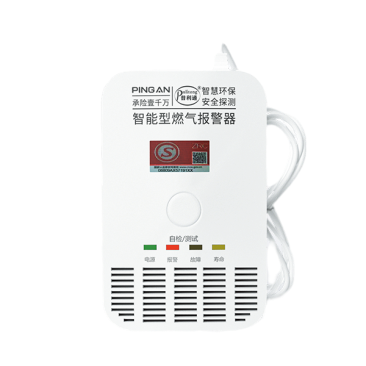
Innovations in Pump Suction Single Gas Detector Technology: A Comprehensive Overview
2026-06-27
Innovations in Pump Suction Single Gas Detector Technology
Table of Contents
- 1. Introduction to Pump Suction Single Gas Detectors
- 2. Key Technological Advancements
- 3. Enhancing Operational Efficiency
- 4. Safety Implications of Modern Gas Detectors
- 5. Diverse Applications of Pump Suction Gas Detectors
- 6. Comparing Traditional vs. Modern Technologies
- 7. Future Trends in Gas Detection Technology
- 8. Frequently Asked Questions (FAQs)
- 9. Conclusion
1. Introduction to Pump Suction Single Gas Detectors
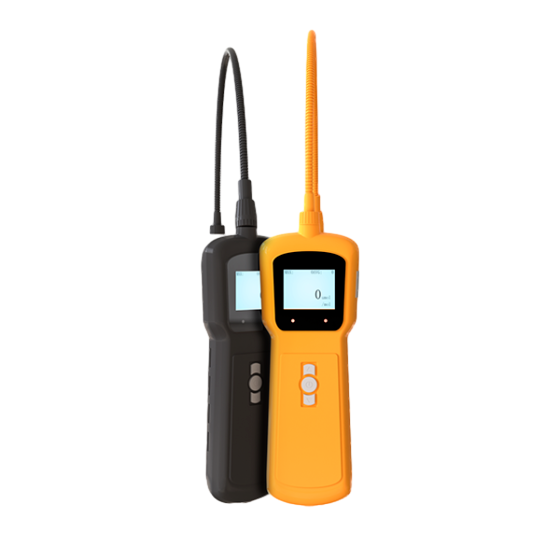
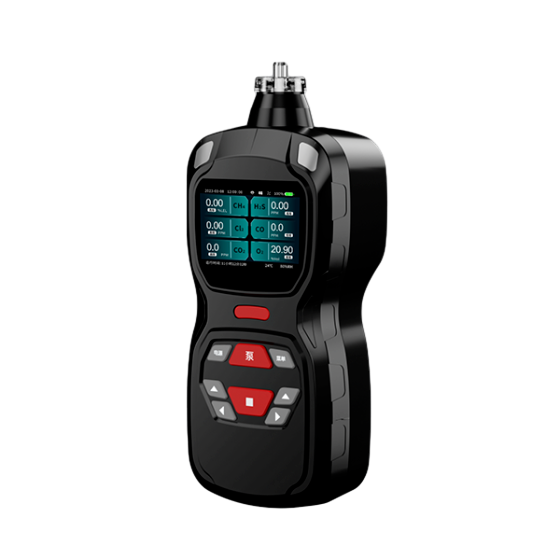
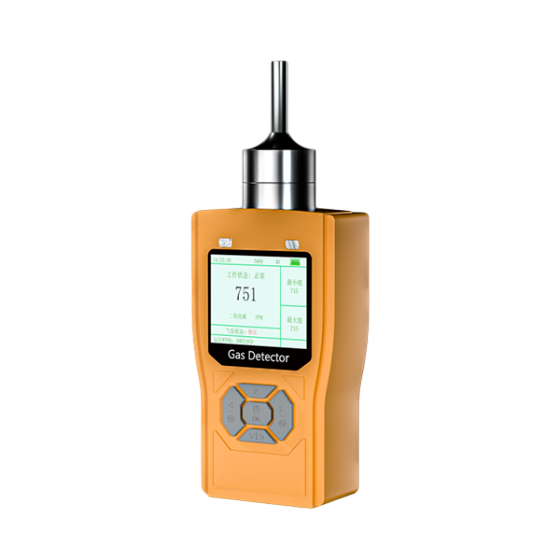
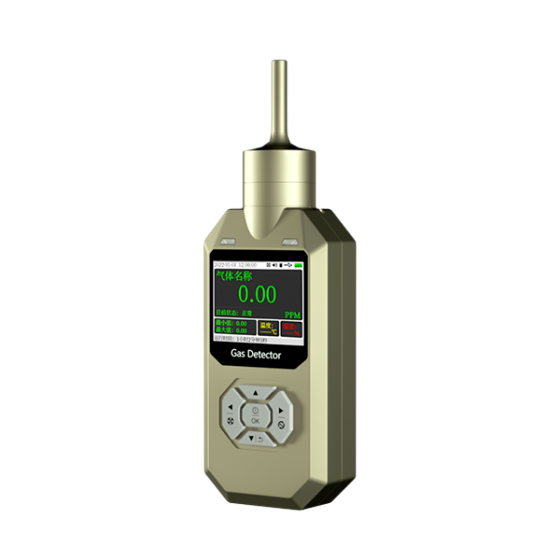
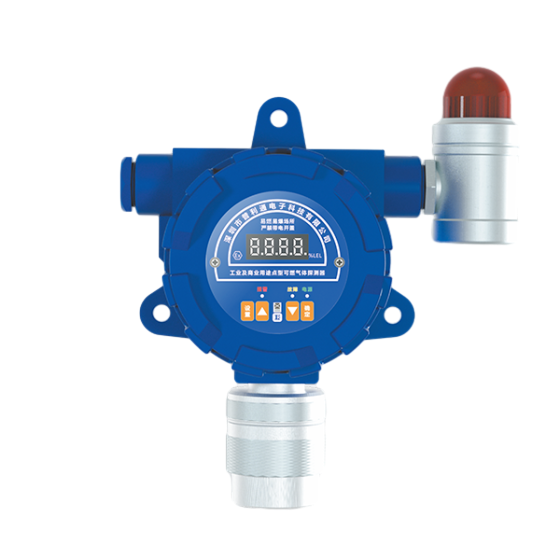
Pump suction single gas detectors represent a vital innovation in the field of environmental safety and monitoring. These devices are specifically designed to detect and measure the concentration of hazardous gases in various environments, ensuring that safety protocols are adhered to during industrial processes. The evolution of these detectors has been driven by technological advancements, regulatory requirements, and the increasing necessity for safety in workplaces.
These detectors function by drawing air samples through a pump system, allowing for immediate analysis of gas concentrations. With the rise of stringent environmental regulations, the importance of reliable gas detection has never been more critical.
2. Key Technological Advancements
Recent years have seen remarkable advancements in pump suction single gas detector technology. These innovations are primarily focused on improving sensitivity, accuracy, and user experience.
2.1 Enhanced Sensitivity and Range
Modern detectors utilize advanced sensor technology, such as electrochemical sensors and infrared sensors, to significantly improve sensitivity. This enhanced sensitivity allows for the detection of lower gas concentrations, ensuring that even minute leaks can be identified.
2.2 Wireless Connectivity
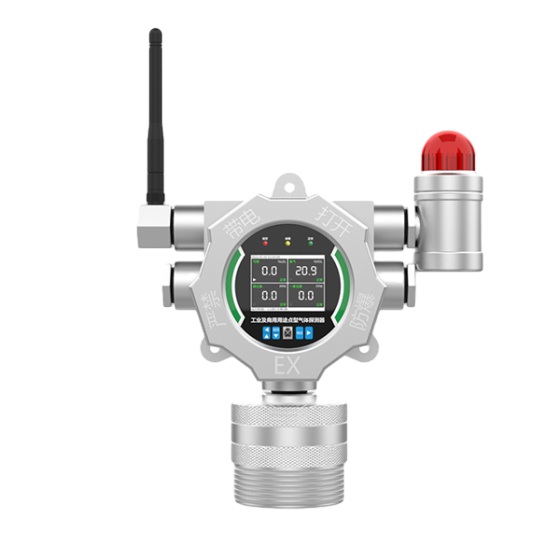
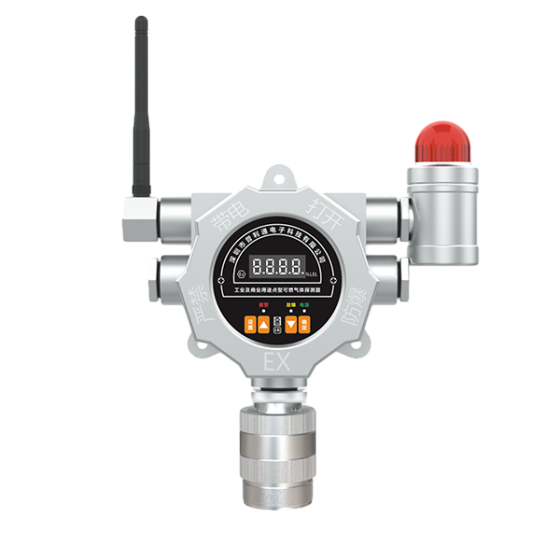
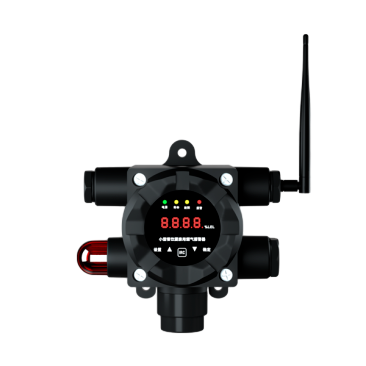
The integration of wireless technology has transformed how gas detectors communicate and relay information. Many modern devices now feature Bluetooth or Wi-Fi connectivity, allowing real-time data transmission to central monitoring systems or smartphones for instant alerts.
2.3 User-Friendly Interfaces
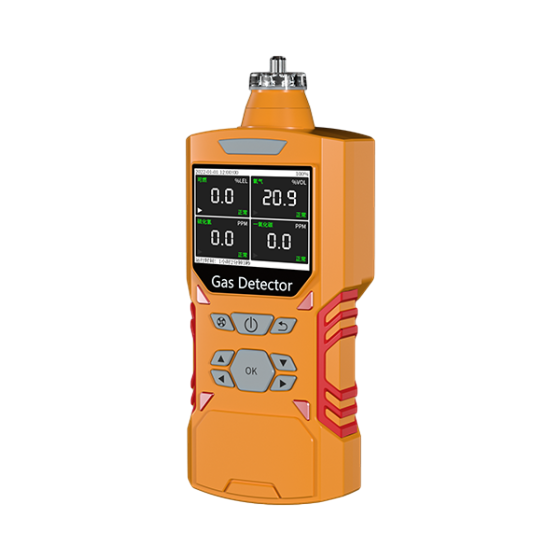
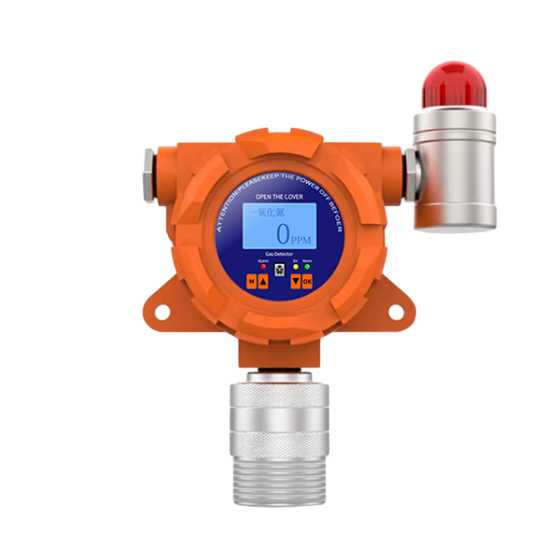
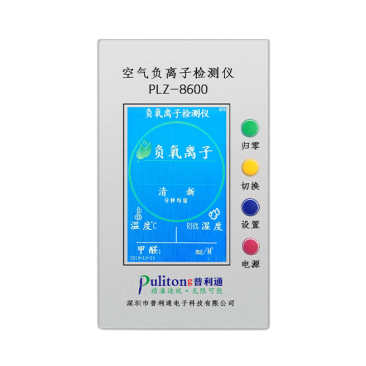
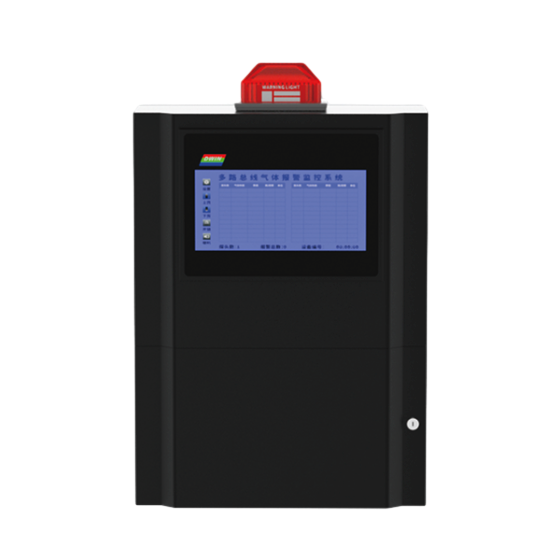
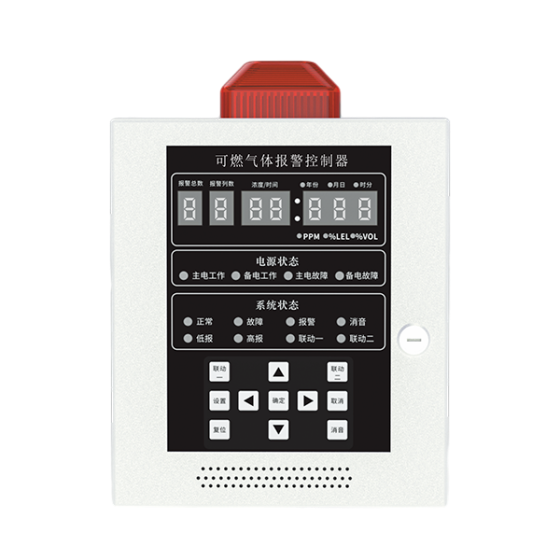
The latest pump suction gas detectors are designed with user experience in mind. Many devices now come equipped with intuitive interfaces, featuring touchscreens that display real-time data, battery status, and calibration reminders. This makes it easier for operators to manage their safety devices effectively.
3. Enhancing Operational Efficiency
Operational efficiency is a crucial aspect of using pump suction single gas detectors. These devices not only enhance safety but also streamline workflows in various industries.
3.1 Rapid Response to Gas Presence
With faster detection times, modern gas detectors allow organizations to react more swiftly to hazardous situations. This rapid response can prevent accidents and mitigate risks associated with gas leaks.
3.2 Reduced Downtime
Integrating advanced gas detection systems minimizes downtime during inspections. The efficiency of real-time monitoring means that personnel can quickly identify and rectify issues, reducing the time spent on manual checks and enhancing productivity.
3.3 Data Logging and Analysis
Most contemporary gas detectors come equipped with data logging features. This capability allows for the collection of historical gas concentration data, helping organizations analyze trends and make informed decisions regarding safety protocols and equipment maintenance.
4. Safety Implications of Modern Gas Detectors
The safety implications of employing advanced pump suction single gas detectors are profound. These devices are crucial in protecting human life and the environment.
4.1 Compliance with Regulations
Regulatory bodies worldwide mandate stringent safety standards in various industries. Utilizing the latest gas detection technologies ensures compliance with these regulations, safeguarding companies from legal repercussions and financial penalties.
4.2 Protection of Personnel
The primary function of gas detectors is to protect workers from hazardous environments. With advanced technology, these detectors provide reliable monitoring, ensuring that employees are alerted to dangers before they encounter life-threatening situations.
4.3 Environmental Protection
By detecting gas leaks promptly, these devices contribute to minimizing environmental impact. Early detection allows organizations to address issues before they escalate, promoting sustainability and corporate responsibility.
5. Diverse Applications of Pump Suction Gas Detectors
Pump suction single gas detectors find applications across various industries, each benefitting from the safety and efficiency these devices provide.
5.1 Oil and Gas Industry
In the oil and gas sector, detecting potentially explosive gases is paramount. Pump suction gas detectors help monitor work environments, ensuring that harmful gases such as methane and hydrogen sulfide are identified and managed effectively.
5.2 Chemical Manufacturing
Chemical plants use these detectors to monitor toxic gases that can pose health risks to employees. Continuous monitoring ensures that safety protocols are in place and that quick action can be taken in case of leaks.
5.3 Mining Operations
In mining, gas detection is vital for ensuring worker safety. These detectors help monitor for harmful gases like carbon monoxide and methane, which can accumulate in confined spaces, creating hazardous conditions.
5.4 Wastewater Treatment Facilities
Wastewater treatment plants are often susceptible to toxic gas emissions. Pump suction gas detectors assist in monitoring for dangerous gases, ensuring that workers are not exposed to harmful substances.
6. Comparing Traditional vs. Modern Technologies
When comparing traditional gas detection systems to modern pump suction single gas detectors, several key differences emerge.
6.1 Detection Methods
Traditional detectors often rely on passive sampling methods, which can lead to delayed responses. In contrast, modern pump suction systems actively draw air samples, providing real-time data and quicker detection times.
6.2 Maintenance and Calibration
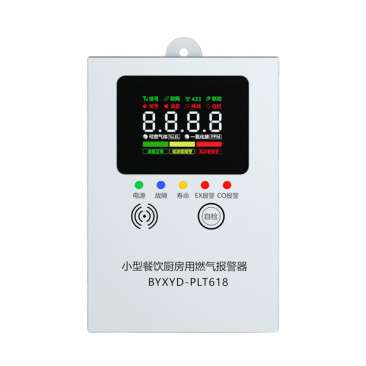
Older technologies typically require frequent calibration and maintenance, which can be time-consuming. Modern devices often have built-in calibration reminders and self-checking features, reducing the need for constant manual oversight.
6.3 Integration with Smart Technologies
Unlike older models, many of today's gas detectors seamlessly integrate with smart technologies, enabling remote monitoring and control. This capability allows for greater flexibility and efficiency in managing safety protocols.
7. Future Trends in Gas Detection Technology
The future of pump suction single gas detector technology is bright and filled with potential innovations that will further enhance safety and operational efficiency.
7.1 Smart Sensors and AI Integration
The integration of artificial intelligence (AI) is expected to revolutionize gas detection. Smart sensors can learn from historical data, improving their ability to discern between normal conditions and hazardous situations, thereby minimizing false alarms.
7.2 Enhanced Portability
Future developments will likely focus on creating more portable and lightweight detectors. This will allow for greater flexibility in monitoring various environments, particularly in sectors where mobility is essential.
7.3 Greater Emphasis on Sustainability
As companies increasingly prioritize sustainability, gas detection technologies are expected to evolve in ways that minimize energy consumption and environmental impact, ensuring that safety protocols align with eco-friendly practices.
8. Frequently Asked Questions (FAQs)
8.1 What is a pump suction single gas detector?
A pump suction single gas detector is a device designed to continuously monitor the concentration of a specific gas in the environment by actively drawing air samples through a pump system for analysis.
8.2 How often should gas detectors be calibrated?
Calibration frequency depends on the manufacturer's recommendations and the specific environment in which the detector is used. Regular maintenance checks are essential to ensure accurate readings.
8.3 Can pump suction gas detectors detect multiple gases?
Typically, pump suction single gas detectors are designed to measure one specific gas. However, some advanced models can be configured to detect multiple gases, but these are often more complex.
8.4 What industries benefit most from gas detection technology?
Industries such as oil and gas, chemical manufacturing, mining, and wastewater treatment are among those that benefit greatly from gas detection technologies due to the hazardous nature of their environments.
8.5 How do modern gas detectors improve safety?
Modern gas detectors enhance safety by providing rapid detection of hazardous gases, reducing response times, ensuring regulatory compliance, and protecting personnel from dangerous environments.
9. Conclusion
As we explore the innovations in pump suction single gas detector technology, it becomes evident that advancements in this field are crucial for enhancing safety and operational efficiency across various industries. From improved sensitivity and user-friendly interfaces to the integration of smart technologies and wireless capabilities, these detectors play an indispensable role in safeguarding both human life and the environment. The future promises even more advancements, ensuring that these devices continue to evolve in response to industry needs and regulatory demands. Embracing these innovations will be key to maintaining safety standards and operational excellence in the years to come.
Related Info
Combustible gas alarm maintenance
2020-07-03
2021-01-14


WhatsApp: