










Understanding Air Negative Ion Detectors: A Guide for Professionals
2026-06-22
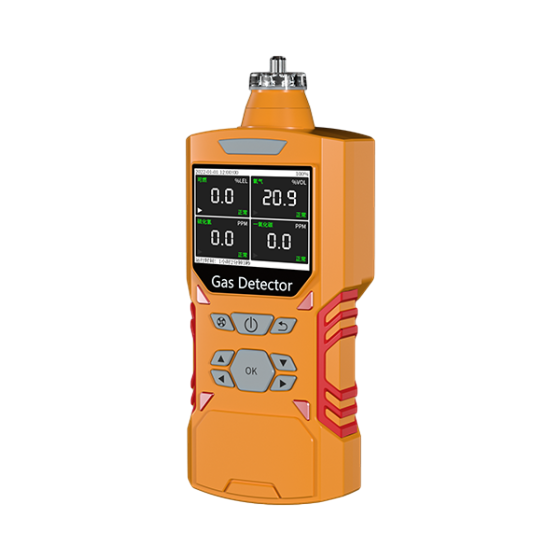
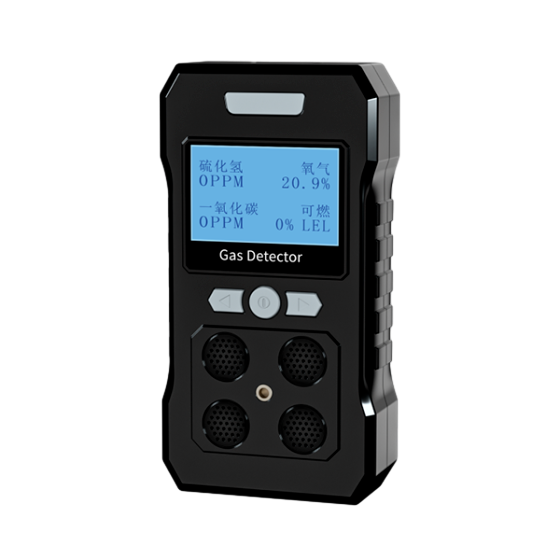
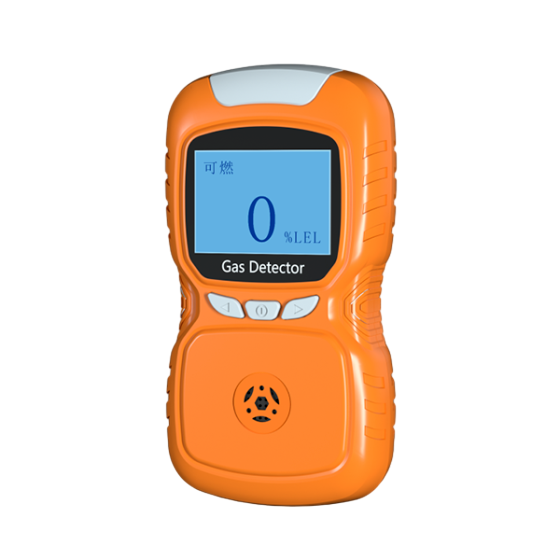
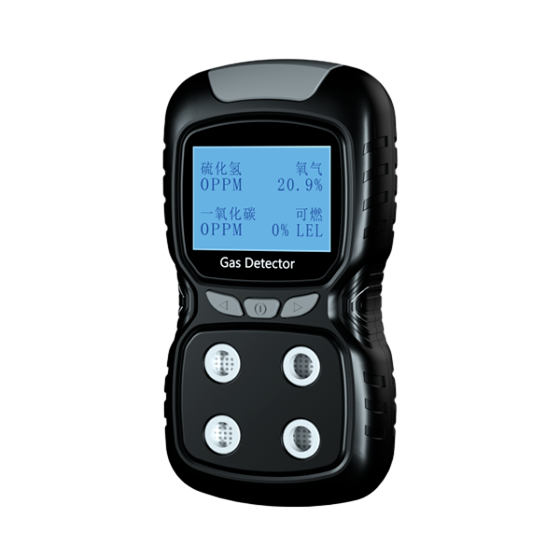
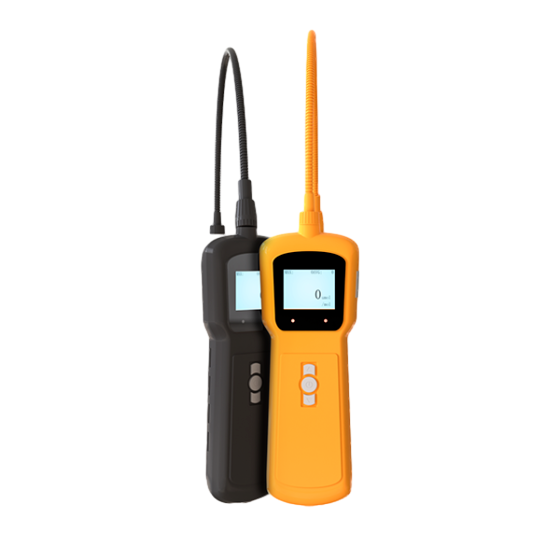
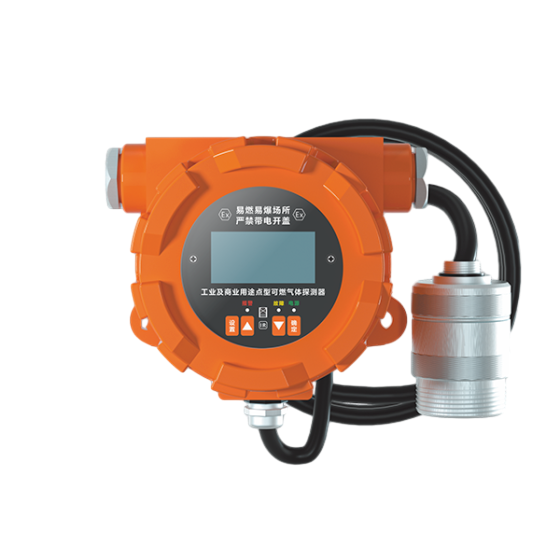
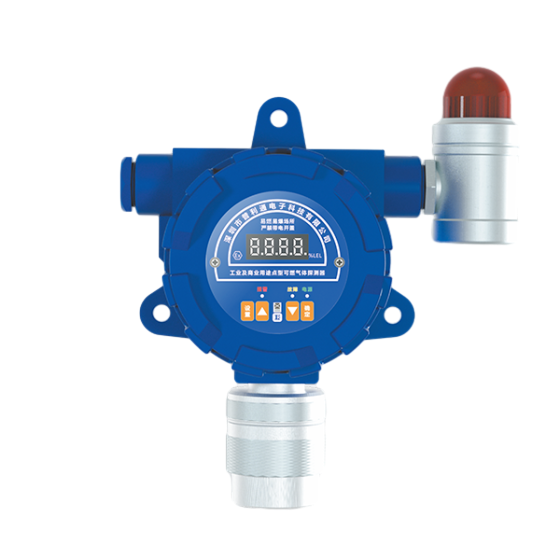
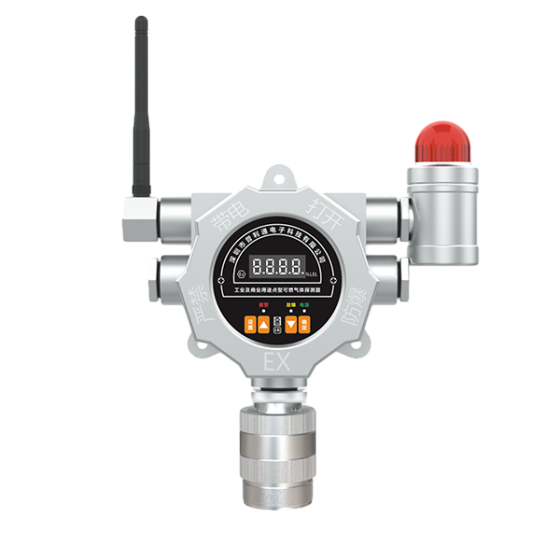
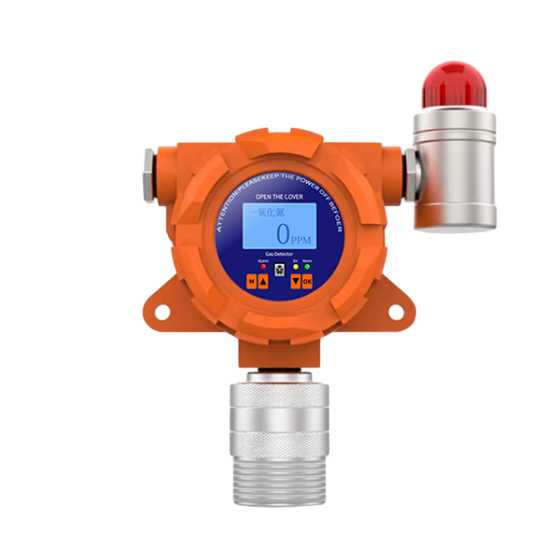
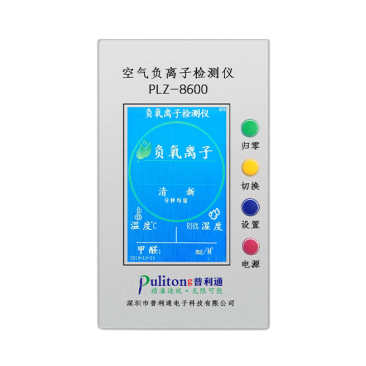
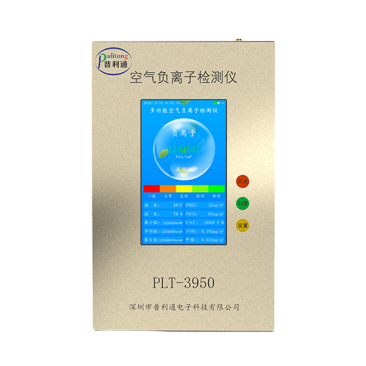
Air Negative Ion Detectors are specialized instruments designed to measure the concentration of negative ions in the atmosphere. These detectors play a crucial role in environmental monitoring, particularly in indoor and outdoor settings where air quality is of paramount concern. Negative ions are molecules that have gained an electron, and they are often found in natural environments, such as forests and waterfalls, where they contribute to a refreshing atmosphere.
The primary function of an Air Negative Ion Detector is to quantify the number of negative ions present in the air. This is significant because negative ions are believed to have various health benefits, including enhancing mood, improving respiratory health, and reducing allergens and pollutants. As such, monitoring their levels can provide valuable insights into the overall quality of the air we breathe.
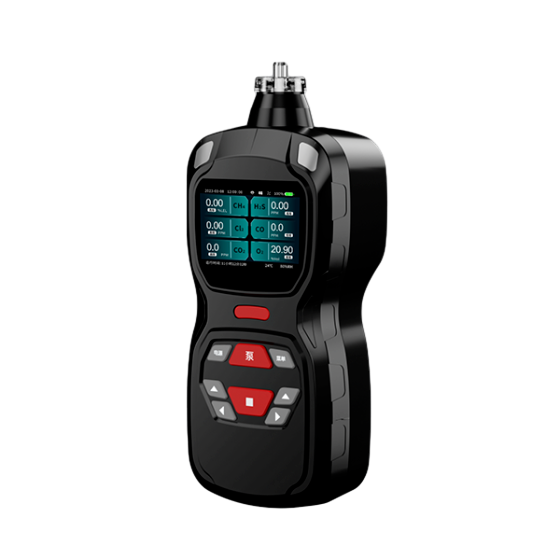
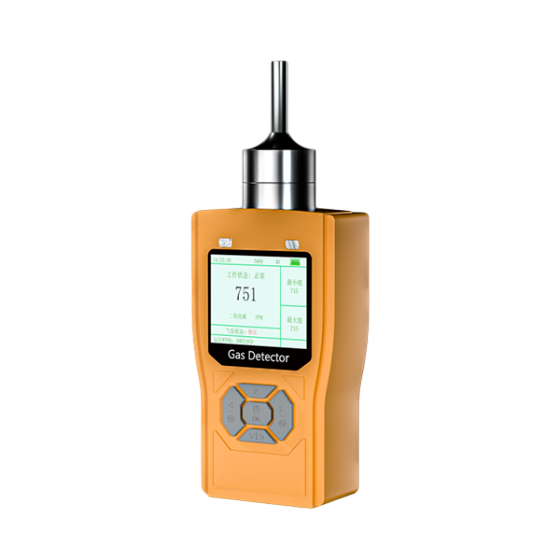
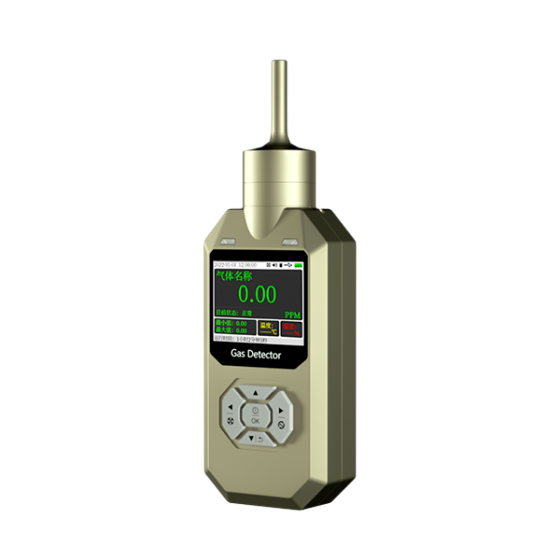
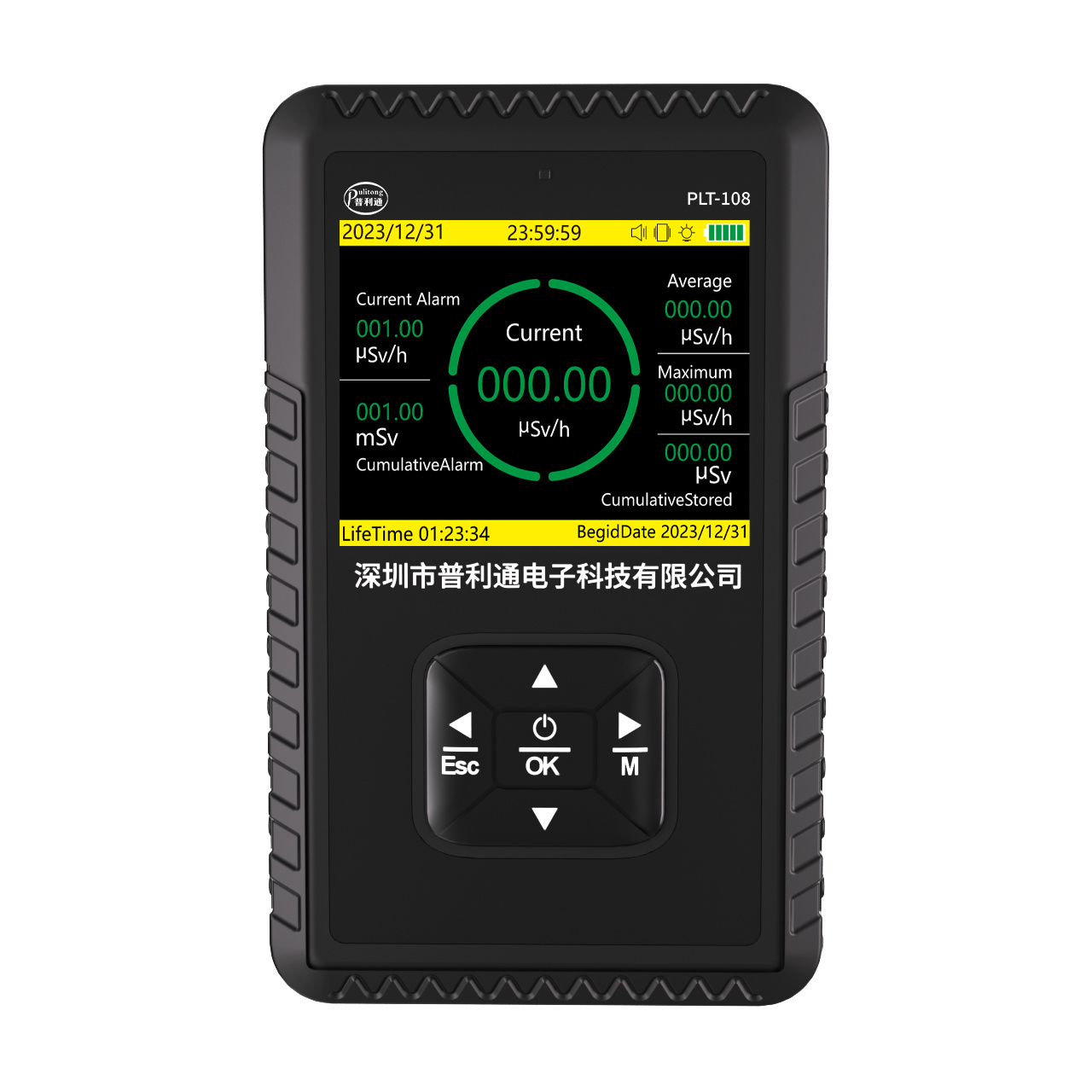
Air Negative Ion Detectors utilize various technologies to measure ion concentrations. Common methods include electronic sensors, which can detect changes in the conductivity of the air based on the presence of negative ions. Advanced models may also incorporate data logging and real-time monitoring capabilities, allowing for comprehensive analysis over extended periods. This data can be invaluable for researchers, environmentalists, and health professionals who are interested in the impact of air quality on human health and the environment.
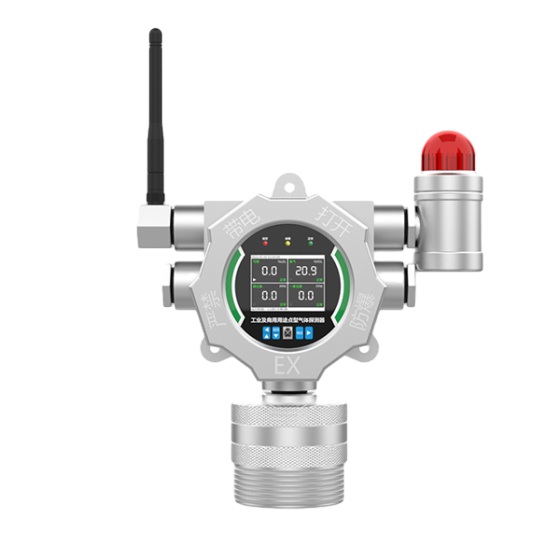
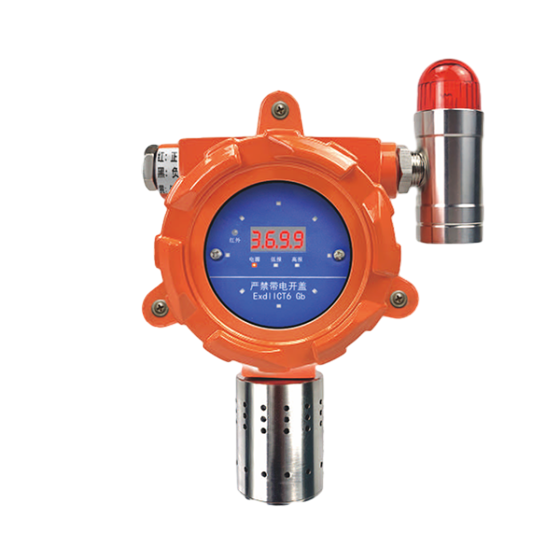
In industrial and commercial settings, these detectors are becoming increasingly relevant. For instance, they can be employed in offices, schools, and hospitals to assess air quality and ensure a healthy environment for employees and visitors. Furthermore, as awareness of air quality issues grows, the demand for reliable air monitoring solutions continues to increase, making Air Negative Ion Detectors a valuable asset for any environmental monitoring toolkit.
Moreover, understanding the environmental conditions that affect negative ion levels is essential. Factors such as weather, altitude, and urbanization can significantly influence ion concentration. Therefore, incorporating an Air Negative Ion Detector into environmental assessments can enhance data accuracy and provide a more comprehensive understanding of air quality dynamics.
In conclusion, Air Negative Ion Detectors are vital instruments in the field of environmental monitoring. They not only provide essential data regarding air quality but also contribute to the broader understanding of how negative ions can affect health and well-being. By leveraging these tools, professionals can make informed decisions aimed at improving air quality and, consequently, public health. As the industry evolves, the integration of advanced technologies in these detectors promises to enhance their efficacy and application, marking a promising future for air quality assessment.
The primary function of an Air Negative Ion Detector is to quantify the number of negative ions present in the air. This is significant because negative ions are believed to have various health benefits, including enhancing mood, improving respiratory health, and reducing allergens and pollutants. As such, monitoring their levels can provide valuable insights into the overall quality of the air we breathe.
Air Negative Ion Detectors utilize various technologies to measure ion concentrations. Common methods include electronic sensors, which can detect changes in the conductivity of the air based on the presence of negative ions. Advanced models may also incorporate data logging and real-time monitoring capabilities, allowing for comprehensive analysis over extended periods. This data can be invaluable for researchers, environmentalists, and health professionals who are interested in the impact of air quality on human health and the environment.
In industrial and commercial settings, these detectors are becoming increasingly relevant. For instance, they can be employed in offices, schools, and hospitals to assess air quality and ensure a healthy environment for employees and visitors. Furthermore, as awareness of air quality issues grows, the demand for reliable air monitoring solutions continues to increase, making Air Negative Ion Detectors a valuable asset for any environmental monitoring toolkit.
Moreover, understanding the environmental conditions that affect negative ion levels is essential. Factors such as weather, altitude, and urbanization can significantly influence ion concentration. Therefore, incorporating an Air Negative Ion Detector into environmental assessments can enhance data accuracy and provide a more comprehensive understanding of air quality dynamics.
In conclusion, Air Negative Ion Detectors are vital instruments in the field of environmental monitoring. They not only provide essential data regarding air quality but also contribute to the broader understanding of how negative ions can affect health and well-being. By leveraging these tools, professionals can make informed decisions aimed at improving air quality and, consequently, public health. As the industry evolves, the integration of advanced technologies in these detectors promises to enhance their efficacy and application, marking a promising future for air quality assessment.
Related Info




WhatsApp: