




















Addressing Safety Concerns with Fixed Four In One Gas Detectors: Ensuring a Secure Environment
2026-06-17
Addressing Safety Concerns with Fixed Four In One Gas Detectors
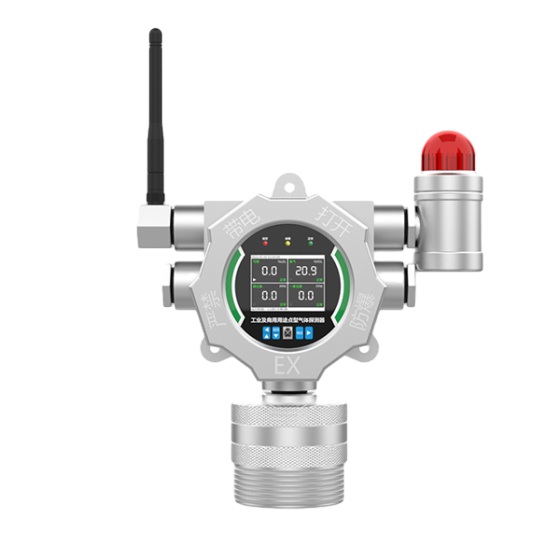
Understanding Fixed Four In One Gas Detectors
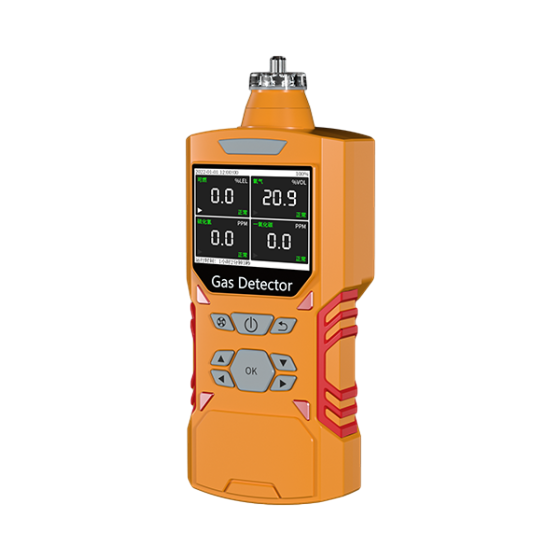
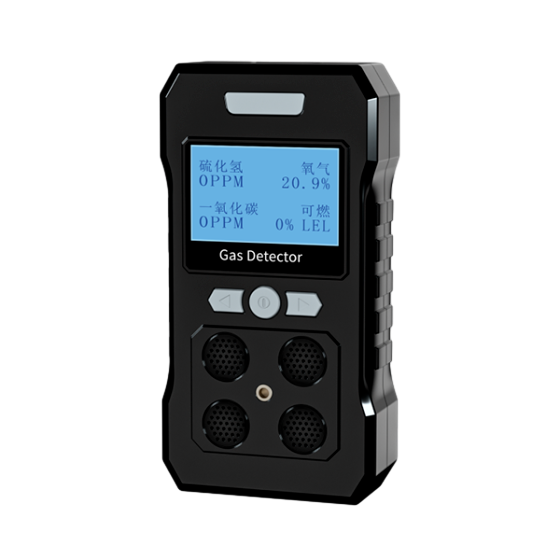
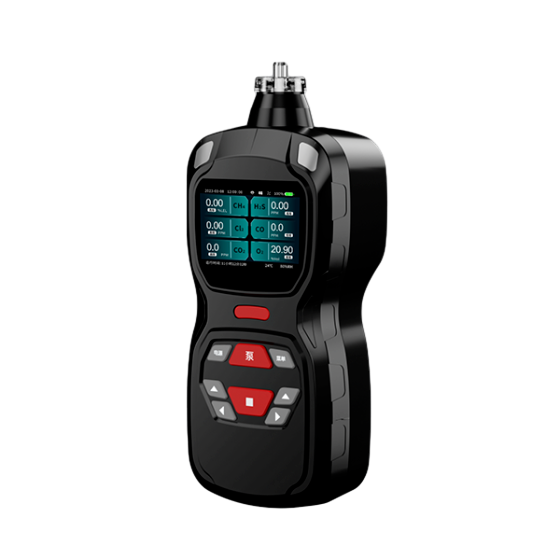
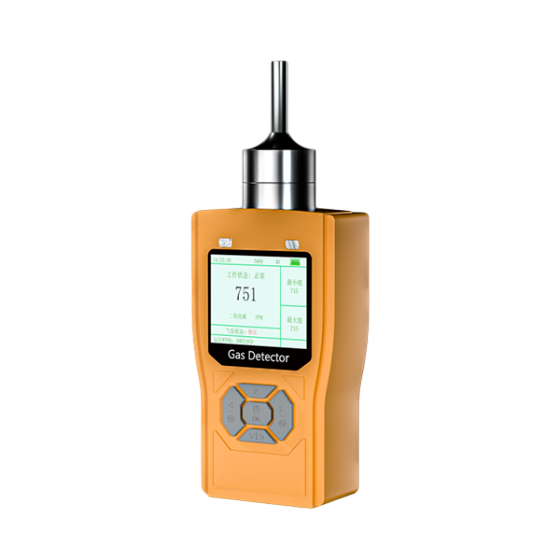
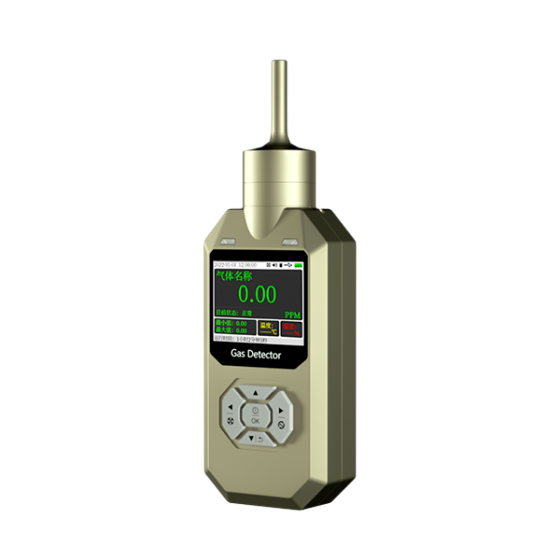
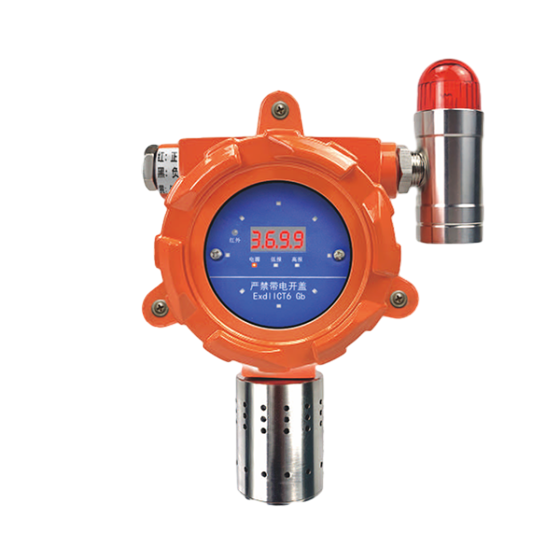
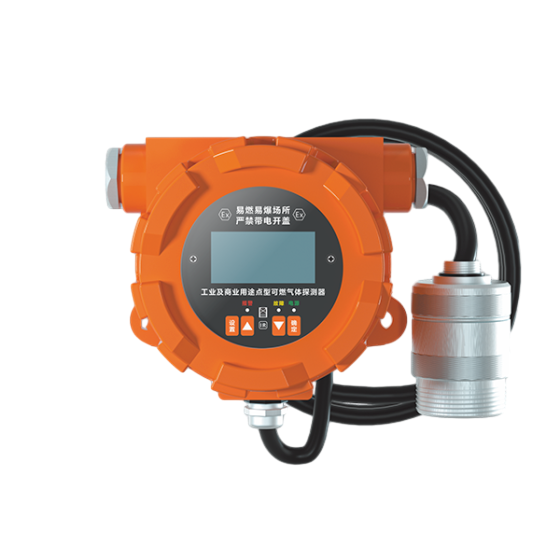
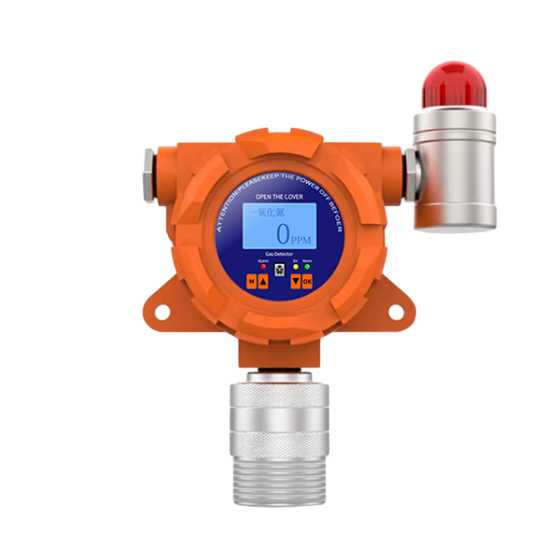
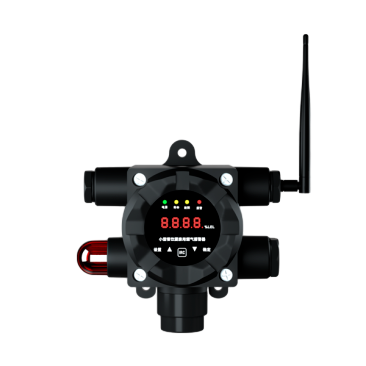
In industrial and commercial settings, safety is paramount. Fixed four in one gas detectors are crucial in ensuring a secure environment by monitoring various gases simultaneously. These devices are designed to detect hazardous gases, including carbon monoxide, methane, hydrogen sulfide, and oxygen, providing real-time data to mitigate risks. Their significance cannot be overstated, especially in sectors where exposure to toxic gases can have dire consequences.
The Importance of Gas Detection in Workplaces
Every year, countless incidents occur due to gas leaks and toxic gas exposure. The implementation of fixed four in one gas detectors is a proactive approach to safeguarding employees and the surrounding community. The benefits are clear:
- **Real-Time Monitoring**: These detectors provide continuous surveillance, allowing for immediate responses in emergencies.
- **Enhanced Safety Protocols**: With reliable detection, workplaces can establish robust safety measures and protocols.
- **Regulatory Compliance**: Many industries are mandated to comply with safety regulations; these detectors help achieve that compliance.
How Fixed Four In One Gas Detectors Work
The functionality of fixed four in one gas detectors is based on advanced sensor technology. Here’s a closer look at how these detectors operate:
1. Sensor Types
Most fixed four in one gas detectors utilize a combination of different sensor technologies, including:
- **Electrochemical Sensors**: Primarily used for detecting toxic gases.
- **Infrared Sensors**: Effective for detecting combustible gases.
- **Catalytic Sensors**: Suitable for monitoring hydrocarbons and other flammable gases.
2. Data Processing
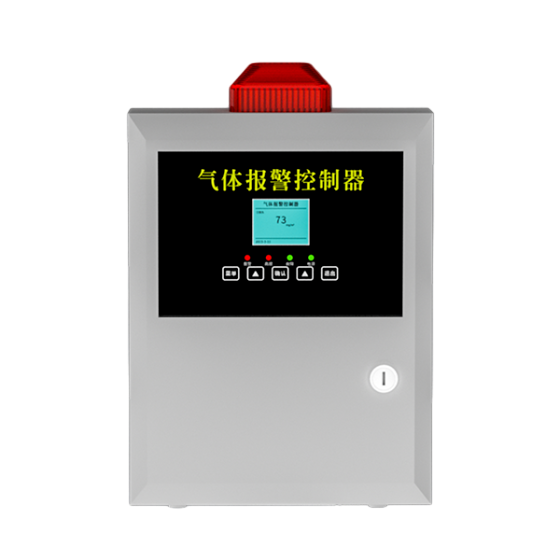
Once the sensors detect a gas, the information is processed and displayed on a control panel. The control system can trigger alarms, shut down processes, or alert personnel, ensuring swift action is taken to prevent accidents.
Key Features of Fixed Four In One Gas Detectors
When selecting a fixed four in one gas detector, it's essential to consider several key features that enhance their effectiveness:
1. Multi-Gas Detection Capabilities
The ability to monitor multiple gases simultaneously is one of the primary advantages of fixed four in one detectors. This feature is critical in environments where several hazardous gases may be present.
2. User-Friendly Interface
A clear and intuitive interface allows for quick understanding and operation, enabling personnel to respond effectively in emergencies.
3. Remote Monitoring
Many modern detectors offer remote monitoring capabilities, allowing for surveillance from a centralized control room, further enhancing safety measures.
4. Alarm Systems
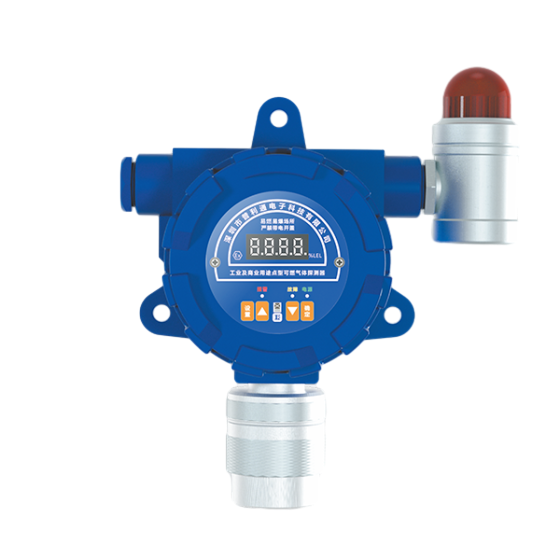
Audible and visual alarms are essential features that alert personnel to the presence of hazardous gases. These alarms can be customized based on the concentration levels of the detected gases.
Installation and Maintenance of Fixed Four In One Gas Detectors
Proper installation and maintenance are crucial for ensuring the longevity and reliability of fixed four in one gas detectors.
1. Installation Guidelines
- **Location**: Install detectors in areas where gas leakage is most likely. This includes near gas lines, storage areas, and confined spaces.
- **Height Considerations**: Depending on the gas type, the height of installation may vary. For lighter-than-air gases, detectors should be mounted high, while heavier gases require lower placements.
2. Regular Maintenance Practices
- **Routine Calibration**: Regularly calibrate the detectors to ensure their accuracy. Calibration intervals depend on the manufacturer's recommendations and the specific working conditions.
- **Sensor Replacement**: Sensors have a limited lifespan and should be replaced as required to maintain reliability.
Benefits of Using Fixed Four In One Gas Detectors
Implementing fixed four in one gas detectors offers numerous advantages:
1. Improved Employee Safety
Detecting hazardous gases early allows for swift action, reducing the risk of accidents and health issues among employees.
2. Increased Operational Efficiency
With reliable gas monitoring, processes can continue uninterrupted, leading to higher productivity levels while maintaining safety.
3. Financial Savings
By preventing accidents and ensuring compliance, organizations can save significantly on potential fines, legal fees, and compensation claims.
Real-World Applications of Fixed Four In One Gas Detectors
Fixed four in one gas detectors are versatile and applicable in various industries, including:
1. Oil and Gas Industry
In the oil and gas sector, detecting flammable gases is crucial for preventing explosions and ensuring worker safety.
2. Chemical Manufacturing
Chemical plants utilize these detectors to monitor toxic gases, protecting workers and the surrounding environment.
3. Wastewater Treatment Facilities
In wastewater treatment, gases like methane and hydrogen sulfide can be hazardous. Fixed detectors play a vital role in monitoring these gases and ensuring safety.
Choosing the Right Fixed Four In One Gas Detector
Selecting the appropriate gas detector involves considering several factors:
1. Specific Gas Types
Different applications may require detectors sensitive to specific gases. Understanding the gases present in your environment is critical.
2. Environmental Conditions
Consider environmental variables such as temperature, humidity, and potential exposure to corrosive substances that could affect detector performance.
3. Budget Considerations
While investing in safety is paramount, it’s also essential to find a detector that fits your budget without compromising on quality.
Compliance and Regulation in Gas Detection
Compliance with local and international regulations is vital for maintaining safety and operational standards. Familiarize yourself with the relevant regulations applicable to your industry.
1. OSHA Standards
The Occupational Safety and Health Administration (OSHA) provides guidelines on the safe use of gas detection systems in workplaces.
2. ISO Standards
ISO standards establish quality and safety benchmarks for gas detection equipment, ensuring manufacturers meet specific criteria.
FAQs about Fixed Four In One Gas Detectors
1. What is a fixed four in one gas detector?
A fixed four in one gas detector is a device designed to simultaneously monitor four different gases, providing real-time safety data in industrial environments.
2. How often should gas detectors be calibrated?
Calibration frequency varies by manufacturer and usage conditions, but regular calibration (typically every six months) is essential for accuracy.
3. Can fixed four in one gas detectors be used outdoors?
Yes, many models are designed for outdoor use, but it’s essential to choose a unit rated for outdoor conditions.
4. What should I do if the gas detector alarms?
Immediately evacuate the area, follow emergency protocols, and contact emergency services. Investigate the cause only when it is safe to do so.
5. Are there wireless options available for fixed four in one gas detectors?
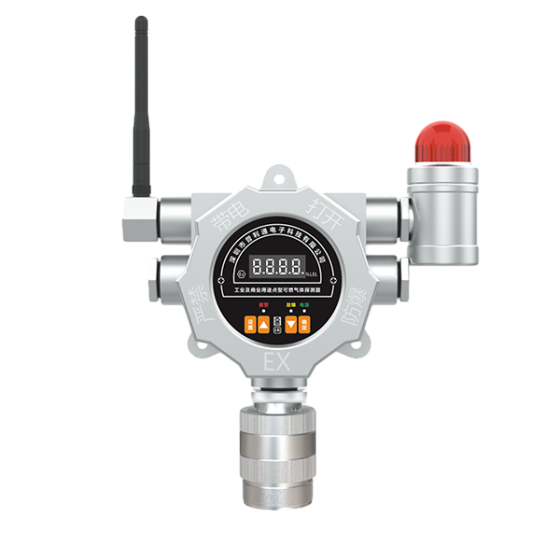
Yes, many modern detectors offer wireless capabilities for easier installation and monitoring.
Conclusion
Fixed four in one gas detectors play a critical role in ensuring safety across various industries. By providing real-time monitoring of hazardous gases, they enhance workplace safety, promote compliance with regulations, and contribute to overall operational efficiency. Organizations must prioritize the installation and maintenance of these detectors to safeguard their employees and assets effectively. Choosing the right detector, understanding its features, and adhering to proper maintenance practices are essential steps in fostering a secure working environment.
Related Info
Combustible gas alarm maintenance
2020-07-03

2021-01-14




WhatsApp: