







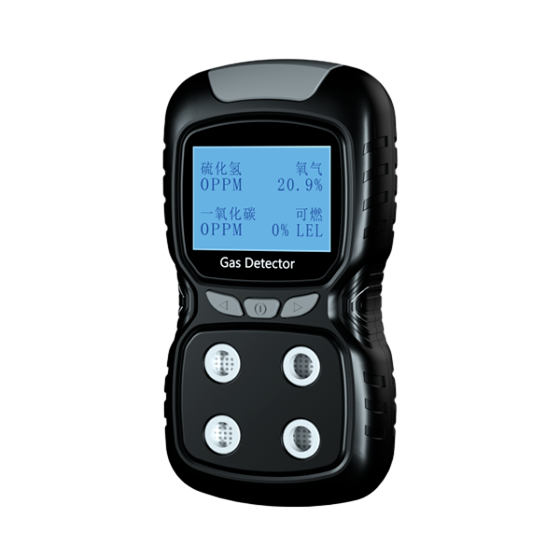
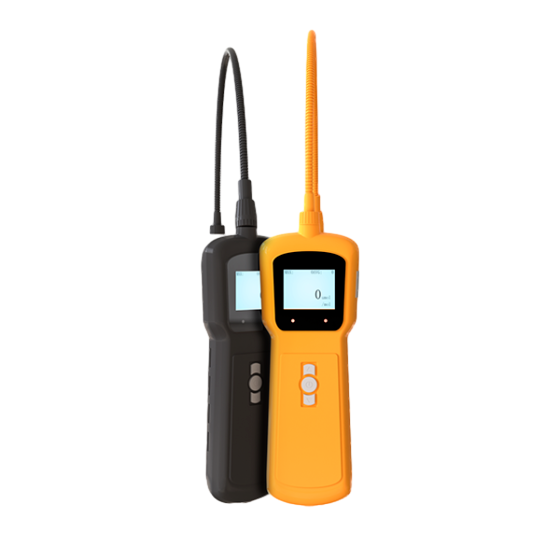
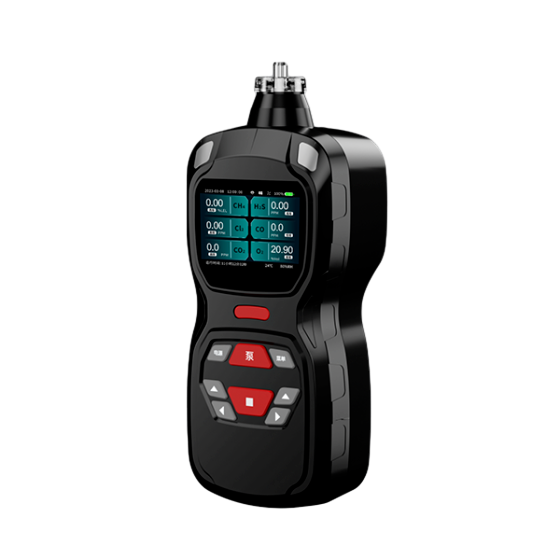
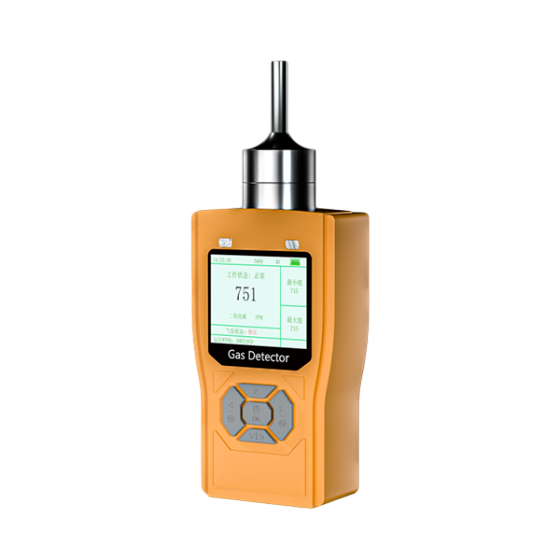



How Frequently Should You Replace Your Gas Alarm Controller? Essential Insights for Safety and Compliance
2026-05-24
How Frequently Should You Replace Your Gas Alarm Controller?
Understanding the Importance of Gas Alarm Controllers
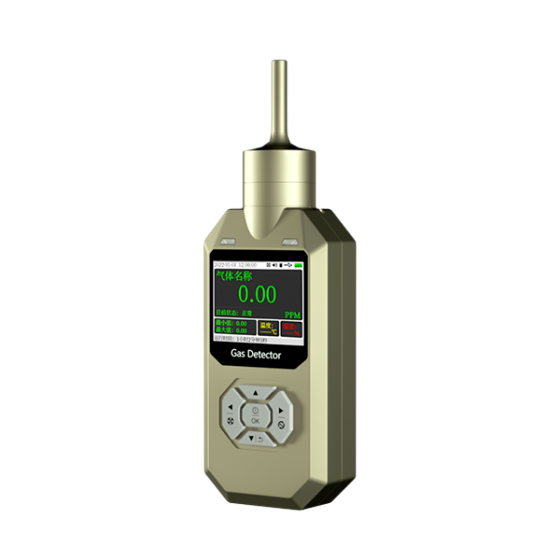
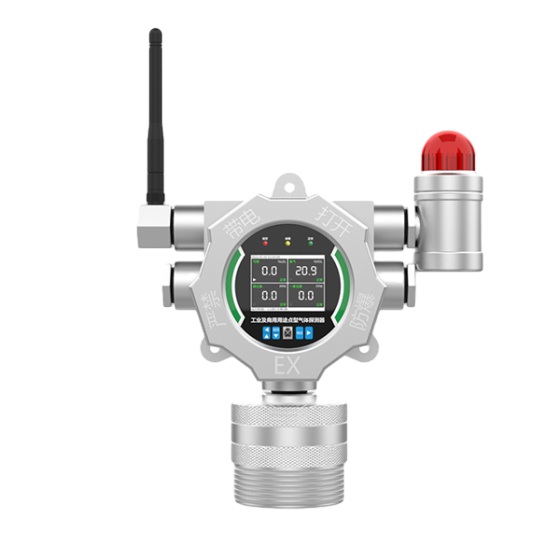
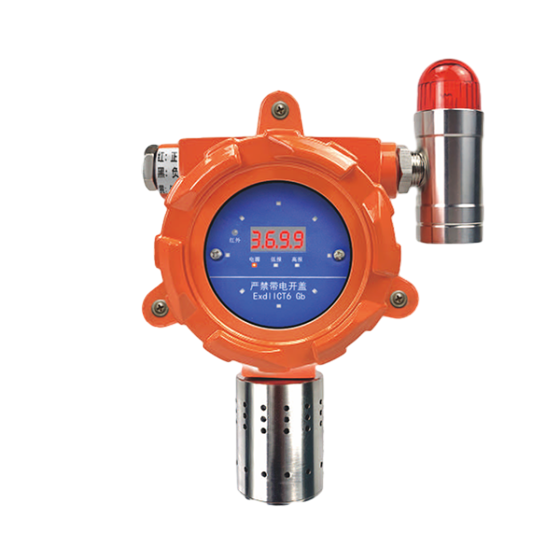
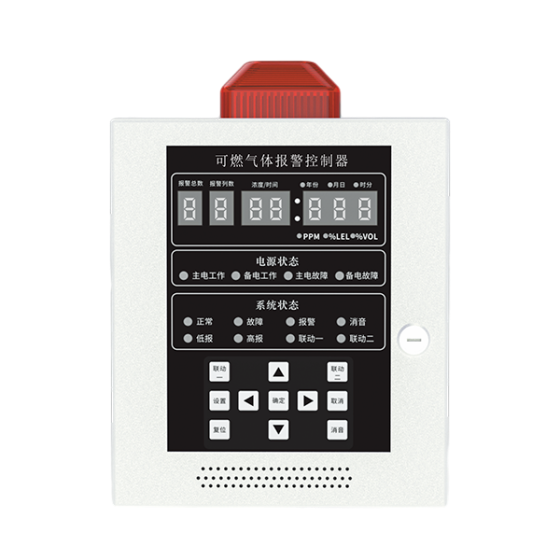
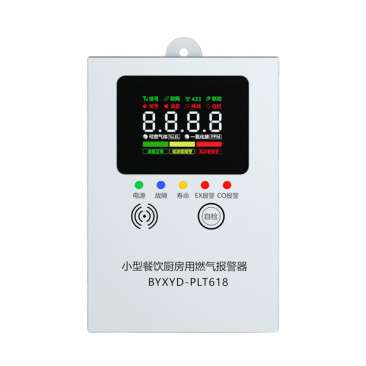
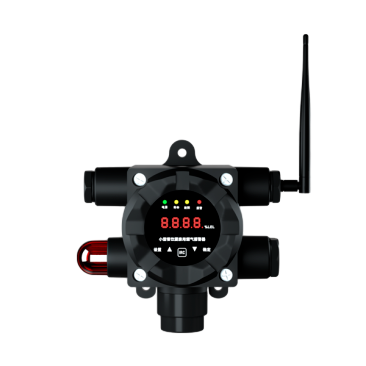
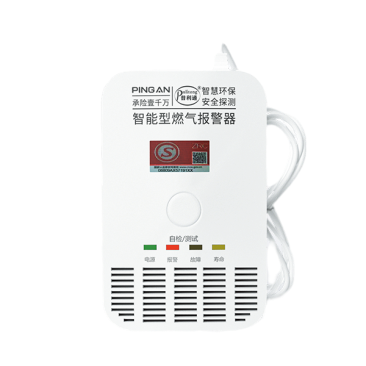
Gas alarm controllers play a pivotal role in ensuring safety by detecting hazardous gases like carbon monoxide, methane, and propane. These devices are designed to alert individuals to dangerous gas levels, preventing potential disasters. Given their crucial function, understanding when to replace them is not just a matter of best practices—it's a matter of safety.
Factors Influencing Replacement Frequency
The lifespan of a gas alarm controller can vary significantly based on several factors:
1. Manufacturer's Recommendations
Most manufacturers provide guidelines on the expected lifespan of their gas alarm controllers. Typically, this ranges from **5 to 10 years**. Following these recommendations is vital for ensuring the device operates effectively.
2. Type of Gas Alarm Controller
Different types of gas alarm controllers have varying lifespans. For instance, **electrochemical sensors** tend to degrade faster than **semiconductor sensors**, necessitating more frequent replacements.
3. Environmental Conditions
The environment in which a gas alarm operates can significantly impact its lifespan. Factors such as **humidity, temperature fluctuations**, and exposure to corrosive substances can accelerate wear and tear. For example, controllers installed in industrial settings with high levels of dust and chemicals may require more frequent replacements than those in a clean home environment.
Signs That Your Gas Alarm Controller Needs Replacement
Regular inspection of your gas alarm controller can help identify when it’s time for a replacement. Look for these key signs:
1. Expired Warranty or Lifespan
Once the warranty or recommended lifespan has expired, it’s crucial to replace the device, even if it appears to be functioning correctly.
2. Frequent False Alarms
If your gas alarm controller frequently triggers false alarms, this may indicate internal wear or malfunction, necessitating replacement.
3. Inconsistent Readings
A gas alarm controller that provides inconsistent or inaccurate readings is not reliable. Regular readings should be consistent and match expected levels. If discrepancies arise, it’s time for a replacement.
4. Physical Damage
Examine the device for any physical damage, such as cracks or corrosion. Visible signs of wear can compromise the device's integrity and effectiveness.
Best Practices for Gas Alarm Controller Maintenance
To prolong the lifespan of your gas alarm controller and ensure its effective operation, consider these maintenance practices:
1. Regular Testing and Calibration
Periodically test the gas alarm controller according to the manufacturer's recommendations. Calibration ensures that the device is functioning correctly and accurately detecting gas levels.
2. Clean the Device
Regularly clean the gas alarm controller to prevent dust and debris buildup. A clean sensor is crucial for accurate gas detection.
3. Review Installation Location
Ensure that the gas alarm is installed in an optimal location, away from potential sources of interference. Proper placement can enhance the device's performance and longevity.
Regulatory Compliance and Safety Standards
Adhering to local regulations and safety standards is paramount in ensuring the effective operation of gas alarm controllers. Familiarize yourself with the specific guidelines applicable to your region, which may dictate replacement schedules, installation practices, and maintenance protocols.
1. NFPA Guidelines
The National Fire Protection Association (NFPA) provides relevant guidelines for the installation and maintenance of gas detection systems. Following these standards can help maintain safety and compliance.
2. Local Building Codes
Check your local building codes for any specific requirements related to gas alarm controllers. Compliance with these codes is essential for safety and legality.
Choosing the Right Gas Alarm Controller
When considering a replacement or new installation, choosing the right gas alarm controller is vital. Here are some factors to consider:
1. Type of Gas Detected
Select a gas alarm controller that specifically detects the types of gases you may encounter in your environment, whether it’s carbon monoxide, propane, or methane.
2. Sensor Technology
Evaluate different sensor technologies, such as electrochemical, infrared, and semiconductor sensors. Each type has its advantages and disadvantages, so choose based on your specific needs.
3. Features and Functionality
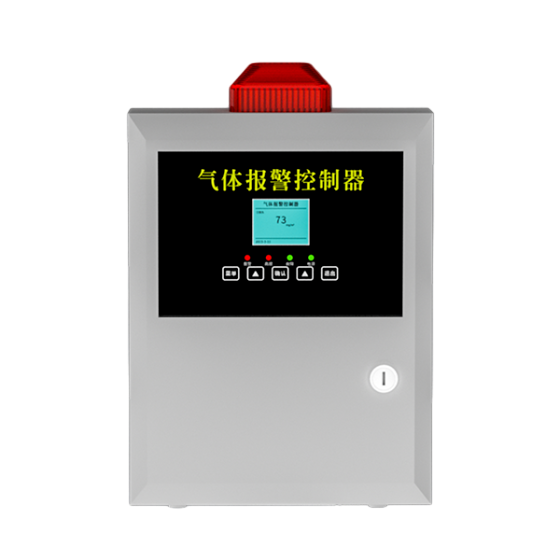
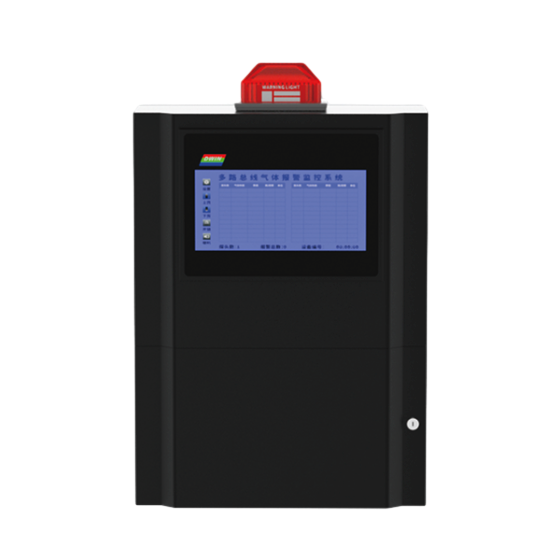
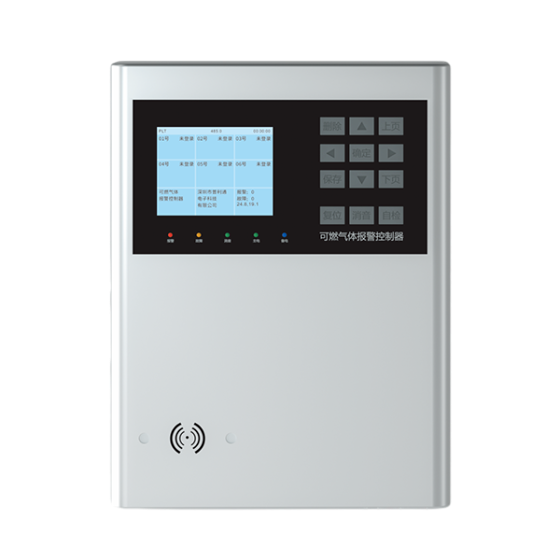
Look for additional features such as automated alerts, smart technology integration, and easy-to-read displays, which can enhance usability and effectiveness.
Frequently Asked Questions (FAQs)
1. How often should I replace my gas alarm controller?
Most gas alarm controllers should be replaced every **5 to 10 years**, depending on the manufacturer’s guidelines and environmental factors.
2. What are the signs that a gas alarm controller is malfunctioning?
Signs include frequent false alarms, inconsistent readings, physical damage, and expiration of warranty or lifespan.
3. Can I extend the life of my gas alarm controller?
Yes, by conducting regular maintenance, testing, and proper placement, you can help extend the lifespan of your gas alarm controller.
4. Are smart gas alarm controllers worth the investment?
Smart gas alarm controllers can provide enhanced features such as mobile alerts and remote monitoring, making them a worthwhile investment for many users.
5. What should I do if my gas alarm goes off?
Immediately evacuate the area, ensure proper ventilation, and contact emergency services to investigate the source of the alarm.
Conclusion
Understanding how frequently to replace your gas alarm controller is essential for maintaining safety and compliance in any environment. Regular inspections, adherence to manufacturer recommendations, and awareness of the signs of malfunction can ensure that your gas alarm systems function effectively. Through diligent maintenance and informed choices regarding replacement and installation, we can significantly enhance our safety against gas-related hazards. Prioritize your safety today by assessing your gas alarm controller and ensuring it meets the necessary standards for optimal performance.
Related Info
Combustible gas alarm maintenance
2020-07-03
2021-01-14





WhatsApp: