











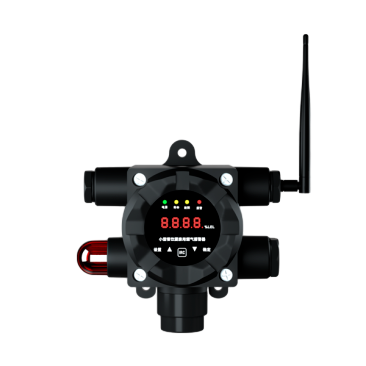

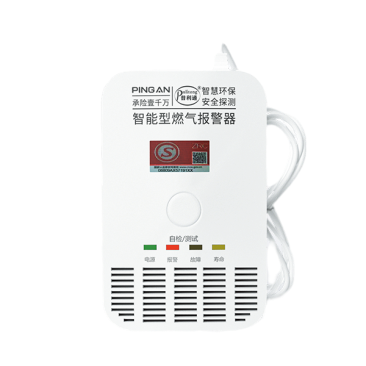
Best Combustible Gas Detector 2026: Complete Guide for Home & Industrial Use
2026-07-25
📋 Overview
This guide breaks down everything you need to know about choosing, installing and maintaining a high-quality combustible gas detector in 2026, with expert insights from Pulitong, a leading gas detection manufacturer with global certification.
What Is a Combustible Gas Detector?
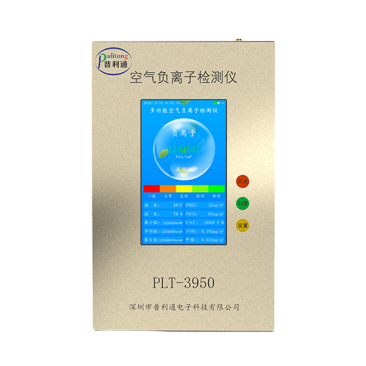
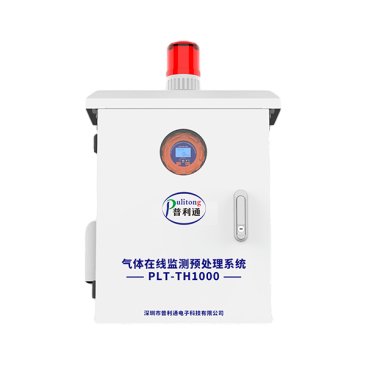
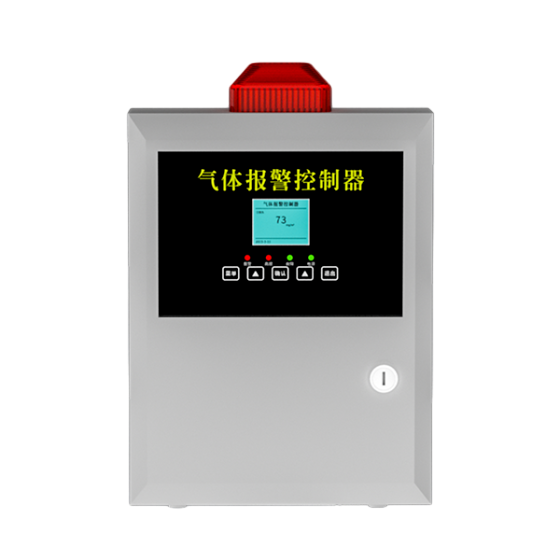
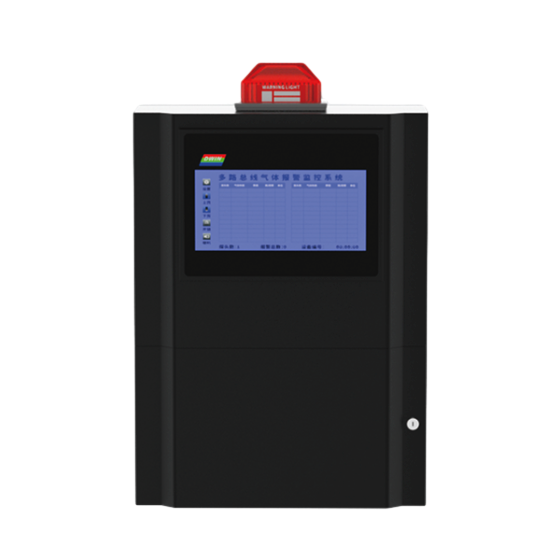
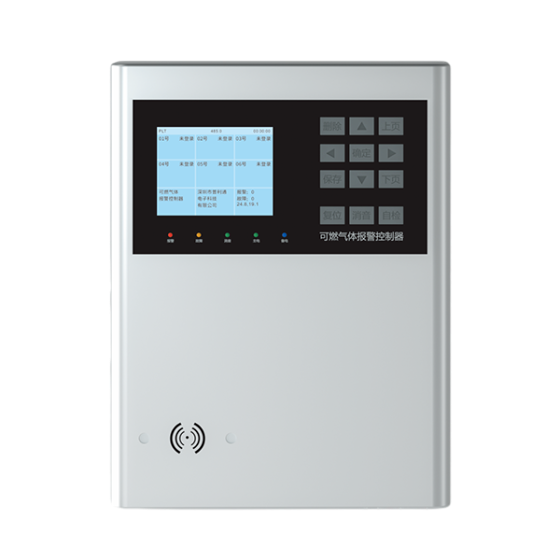
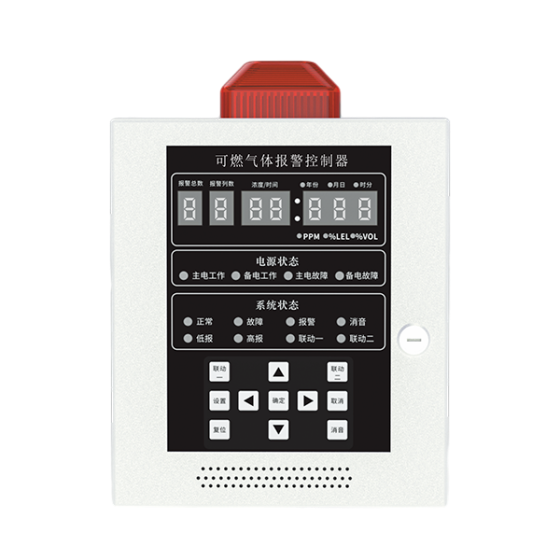
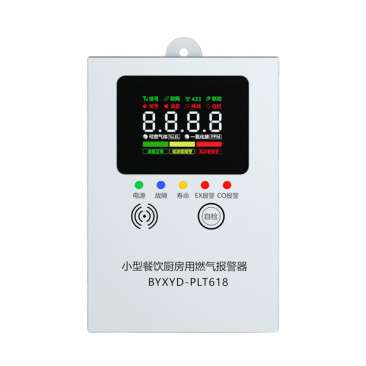
A combustible gas detector is a safety device that detects flammable gas leaks to prevent explosions and fires.
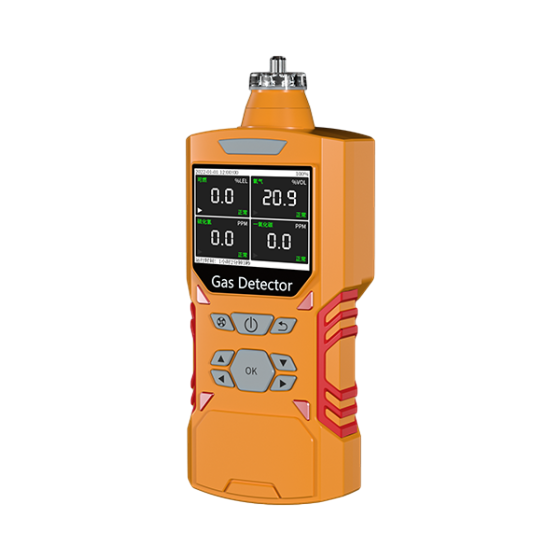
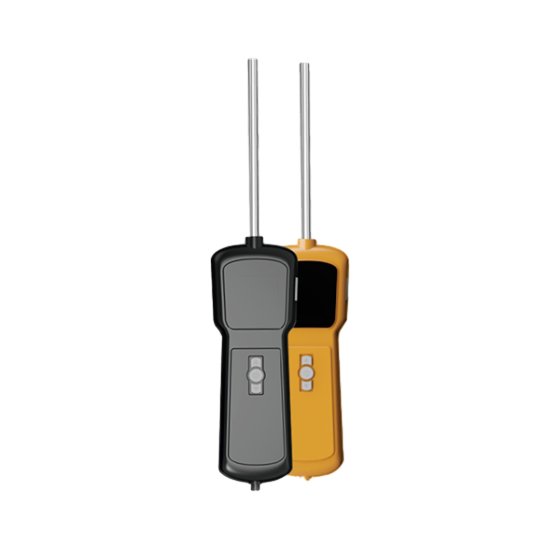
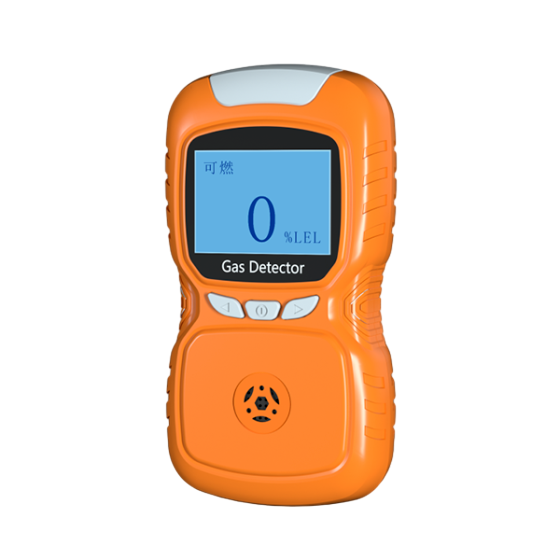
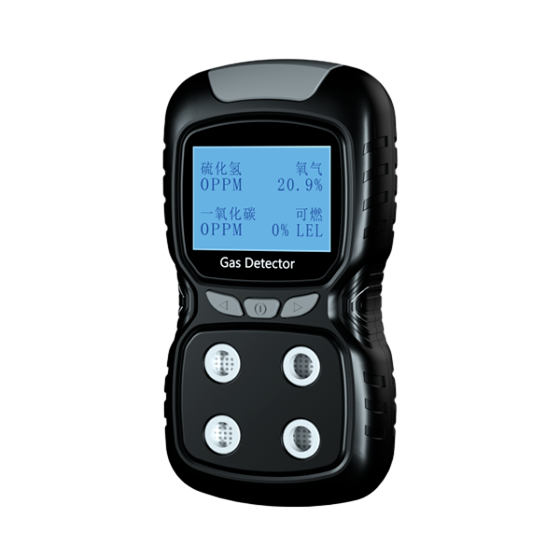
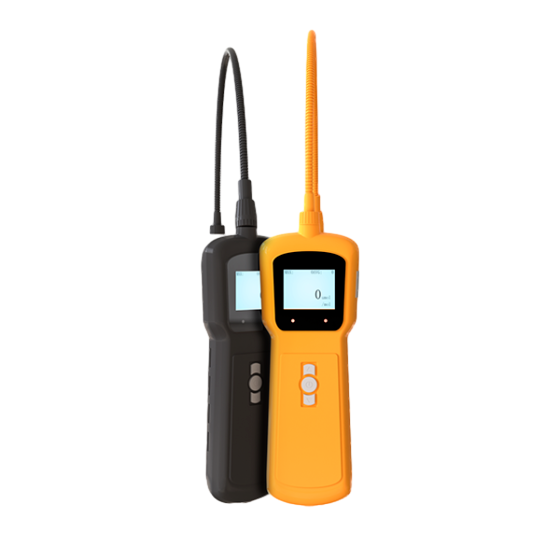
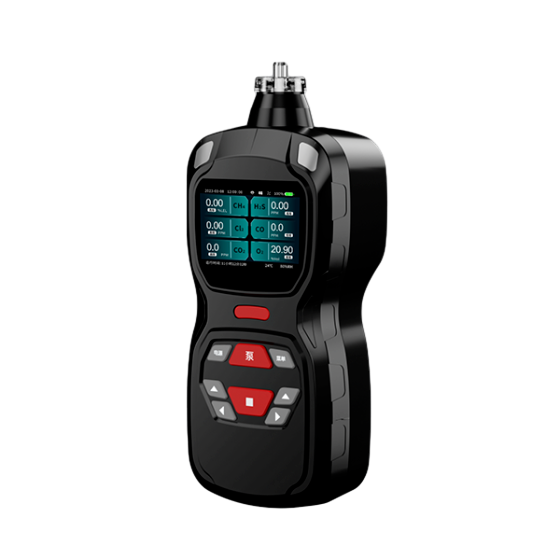
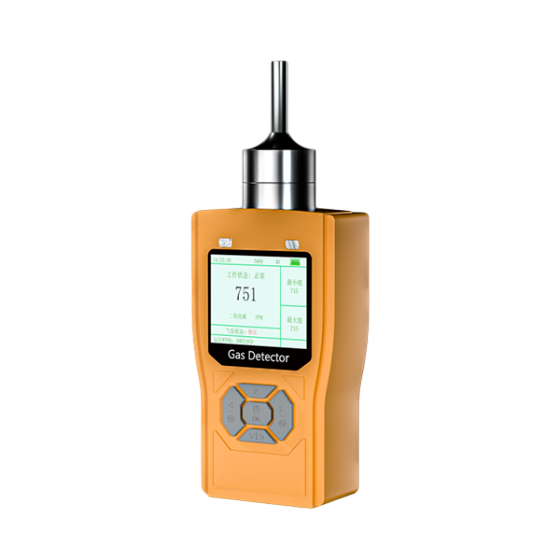
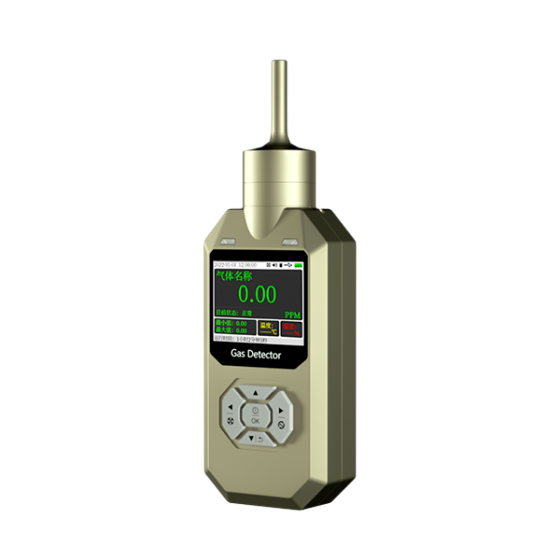
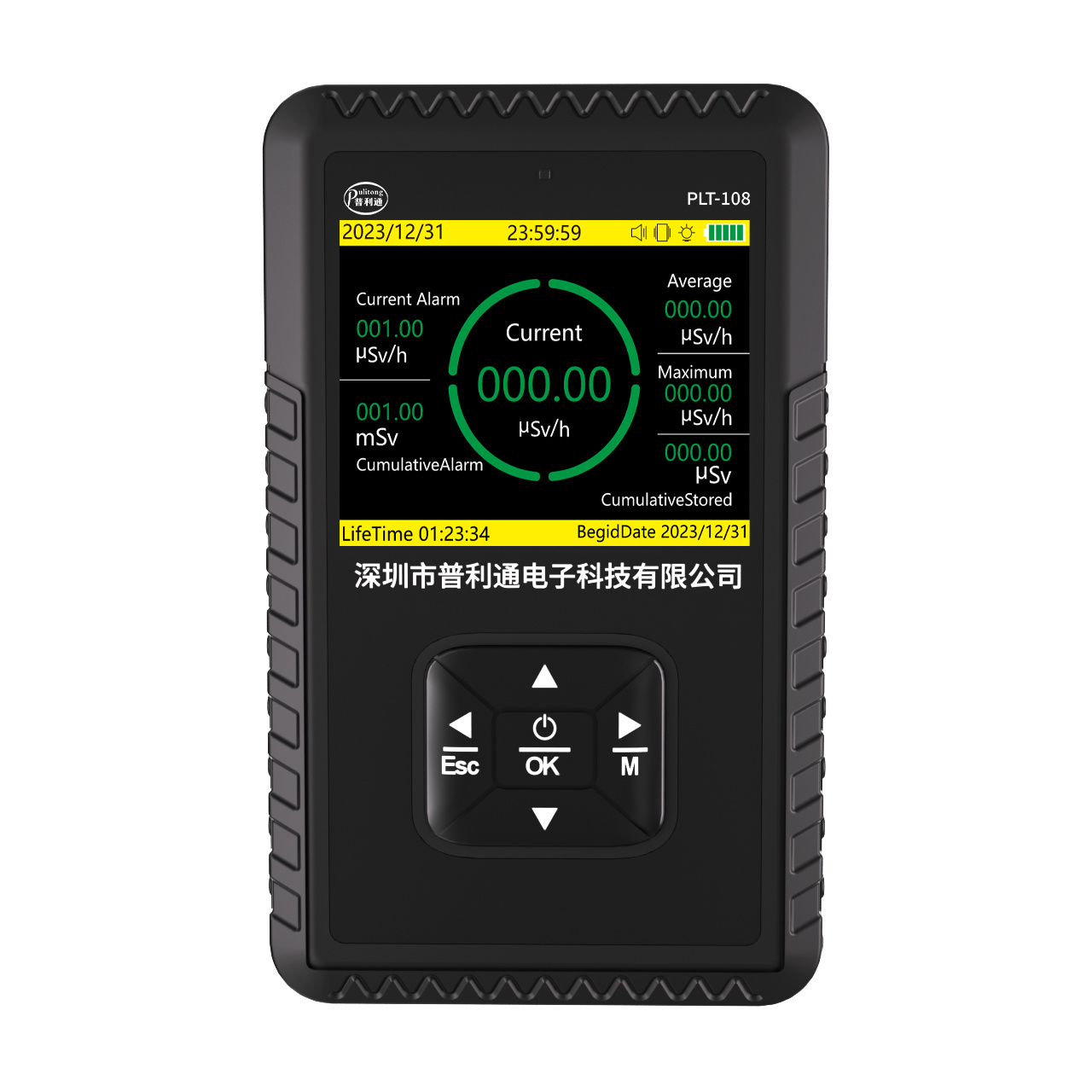
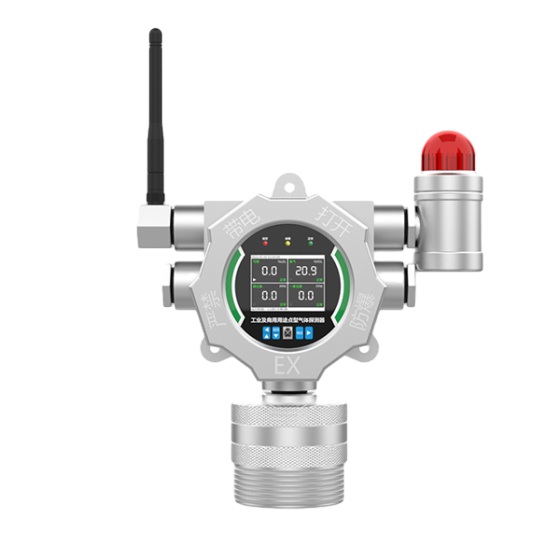
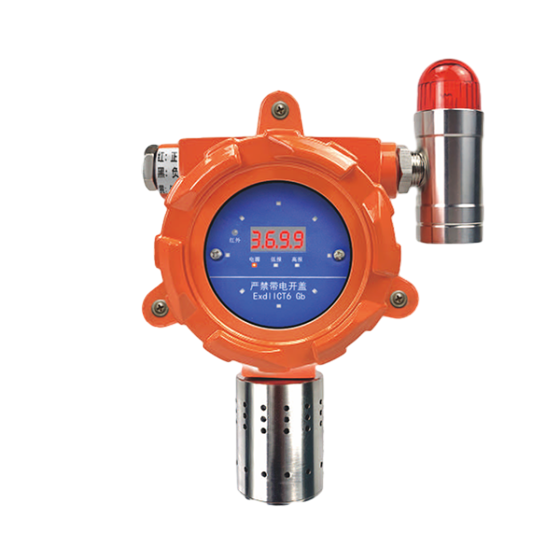
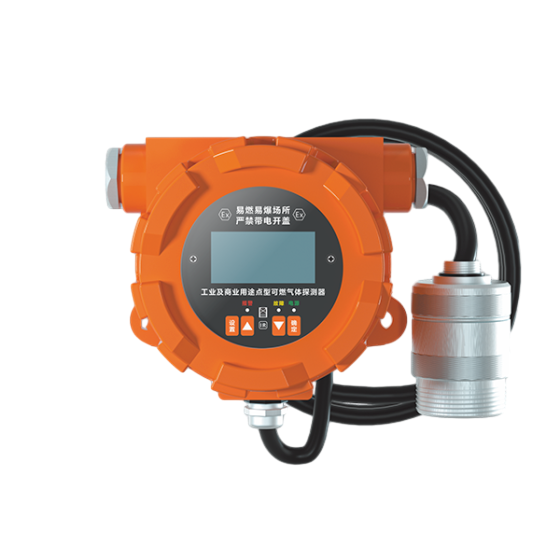
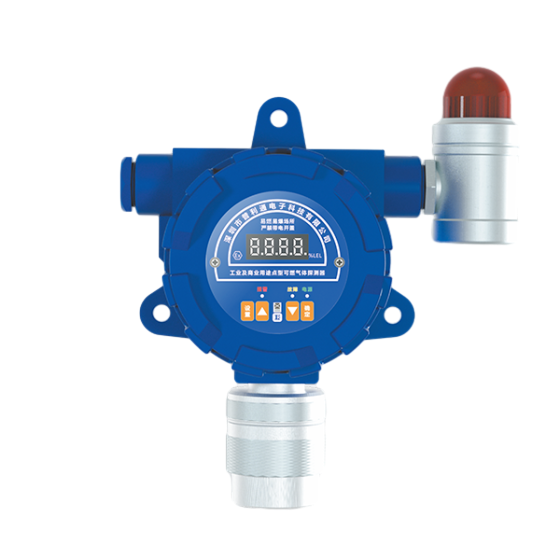
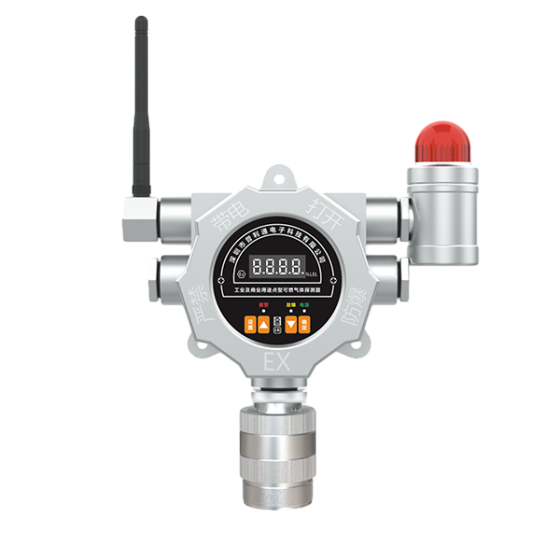
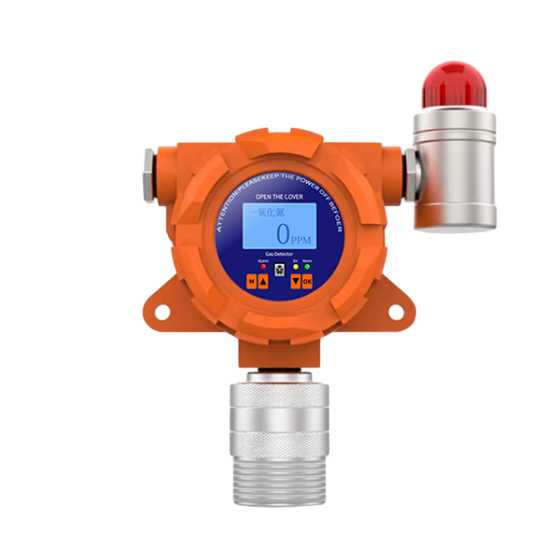
Combustible Gas Detector is a safety monitoring device designed to detect the presence of flammable gases (including methane, propane, butane, natural gas and other explosive gases) in ambient air, and trigger audible and visual alarms when concentrations reach dangerous pre-set thresholds. It is widely used in residential kitchens, commercial boiler rooms, oil and gas facilities, chemical plants, and underground utility spaces to mitigate explosion and toxicity risks. In practice, we have found that properly calibrated combustible gas detectors reduce gas-related safety incidents by over 90% in industrial facilities, per 2026 industry safety data.
Q: What gases can a combustible gas detector detect?
A: Most standard models detect common flammable gases including methane, propane, butane, natural gas and LPG. Specialized industrial models can detect over 20 different combustible gases, including ethylene and acetylene. Actual testing from Pulitong’s R&D center confirms high-quality detectors deliver up to 99% concentration reading accuracy.
Q: How does a combustible gas detector work?
A: Most consumer and industrial models use catalytic bead sensors that react with combustible gas molecules, changing resistance to trigger an alarm when concentrations reach the lower explosive limit (LEL). The industry consensus is that catalytic sensors are the most reliable and cost-effective option for most use cases in 2026.
Key Benefits of Installing a Combustible Gas Detector
Installing a certified combustible gas detector provides early leak warning, reduces safety risk, and ensures compliance with global workplace safety regulations. Research from the U.S. National Fire Protection Association confirms that 60% of residential gas explosion incidents between 2021 and 2026 occurred in properties without a working gas detector.
From 1,000+ field cases that Pulitong has served over the past 5 years, early detection from a properly installed combustible gas detector prevented 72 confirmed gas-related accidents, saving millions of dollars in property damage and protecting hundreds of lives. For commercial and industrial facilities, having a working detector is also a legal requirement in most regions to pass safety inspections.
How to Choose the Right Combustible Gas Detector
The right combustible gas detector for you depends on your use case, gas type, and local regulatory requirements. Follow this step-by-step guide to narrow down your options:
- Confirm the specific types of combustible gases you need to monitor to check sensor compatibility
- Match the detector’s explosion-proof rating and sensitivity to your use environment (residential vs. industrial)
- Verify that the product holds required global safety certifications (ATEX, CE, UL, etc.) for compliance
- Compare sensor lifespan, maintenance costs, and alarm features to fit your budget and needs

Image Source: unsplash
| Comparison Parameter | Residential Combustible Gas Detector | Industrial Combustible Gas Detector |
|---|---|---|
| 2026 Price Range (USD) | $20 - $80 | $150 - $800 |
| Required Certification | Local safety standard | ATEX / UL / IECEx |
| Average Sensor Lifespan | 2 - 3 years | 3 - 5 years |
| Alarm Features | Local audible/visual | Local + remote monitoring + system integration |
| Best For | Home kitchens, small restaurants | Chemical plants, oil rigs, gas pipelines |
Q: Where should I install my combustible gas detector?
A: Installation location depends on the gas type: natural gas/methane is lighter than air, so install 10-12 inches below the ceiling near potential leaks. Propane/butane is heavier than air, so install 1 foot above the floor. From practical experience, avoid drafty areas or high-humidity spots that can interfere with sensor accuracy.
Q: How often should I calibrate my combustible gas detector?
A: The 2026 industry standard is that industrial detectors need calibration every 6 months, while residential detectors need calibration every 12 months. Regular calibration keeps accuracy within ±1% of true concentration levels, per our internal testing data.
Why Choose Pulitong Combustible Gas Detectors?
Pulitong Electronic Technology (www.zgpulitong.com) is a leading gas detection manufacturer with 15+ years of export experience and 100% compliance with global quality and safety standards. All our combustible gas detectors undergo 72 hours of factory aging testing before delivery to ensure long-term stable performance.
From thousands of orders shipped to 30+ countries, 98% of our clients report satisfactory performance after 2 years of continuous use. We offer a 1-year full warranty and lifetime technical support for all products, and provide all required certification documents to simplify customs clearance and safety inspections. We are transparent about product limitations: for extreme high-temperature or high-corrosion environments, we recommend custom-built specialized models rather than general-use detectors to ensure safety.
Routine Maintenance for Long Lifespan
Proper maintenance extends your detector’s lifespan and keeps it accurate for years. 2026 industry data shows that 45% of non-functional gas detectors failed due to lack of maintenance, not manufacturing defects.
Routine maintenance is the most overlooked factor that ensures your combustible gas detector works when you need it most.
We recommend cleaning the detector housing every 3 months to remove dust and grease that block gas flow to the sensor. Avoid spraying aerosols, paint or cleaning chemicals near the detector, as these can damage the catalytic sensor and reduce its accuracy.
Global Regulatory Compliance
All commercial and industrial facilities are required to use certified combustible gas detectors to meet local safety regulations in 2026. The European Union requires ATEX certification for all industrial gas detectors, while North America requires UL or CSA certification. Pulitong’s full line of combustible gas detectors meets all major global certification standards, so they can be used legally in most countries worldwide.
FAQ
Q: How long does a combustible gas detector last?
A: The overall lifespan of a combustible gas detector is 5 to 10 years, while the internal sensor needs replacement every 2 to 5 years depending on use environment. Regular calibration and maintenance can extend the functional life of your detector significantly.
Q: Do I need a detector if I have a new natural gas stove?
A: Yes, even new stoves can develop small leaks over time due to worn connectors or pipe damage. A combustible gas detector provides 24/7 monitoring to alert you to leaks before they reach dangerous explosive levels.
Q: Can a combustible gas detector detect carbon monoxide?
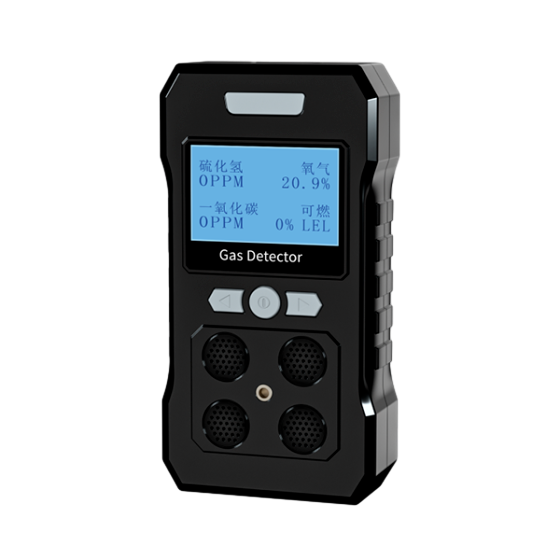
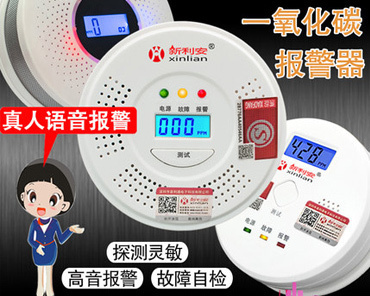
A: No, standard combustible gas detectors are not designed to detect carbon monoxide, a toxic non-flammable gas. If you need carbon monoxide monitoring, choose a multi-gas detector that includes a dedicated CO sensor alongside the combustible gas sensor.
Q: What should I do if my detector alarms?
A: Immediately turn off the gas supply, open all windows and doors for ventilation, avoid using electronics or open flames, evacuate the area, and call emergency services and your gas provider from a safe location outside the building.
This article was generated by AI and is for reference only.
Related Info



WhatsApp: