

















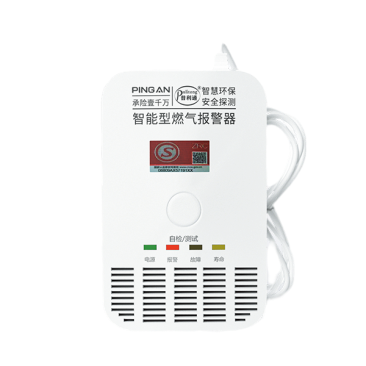
Emergency Preparedness: Using a 4 in 1 Gas Detector for Comprehensive Risk Management
2026-07-27
Emergency Preparedness: Using a 4 in 1 Gas Detector for Comprehensive Risk Management
Table of Contents
- 1. Introduction to Emergency Preparedness and Gas Detection
- 2. The Importance of 4 in 1 Gas Detectors in Risk Management
- 3. How Does a 4 in 1 Gas Detector Work?
- 4. Benefits of Using a 4 in 1 Gas Detector
- 5. Key Features to Look for in a 4 in 1 Gas Detector
- 6. Applications of 4 in 1 Gas Detectors in Different Industries
- 7. Best Practices for Using a 4 in 1 Gas Detector
- 8. Frequently Asked Questions (FAQs)
- 9. Conclusion
1. Introduction to Emergency Preparedness and Gas Detection
In today's fast-paced world, **emergency preparedness** has become more crucial than ever. Natural disasters, industrial accidents, and even terrorist threats require organizations to have robust risk management strategies. A key component of these strategies is the use of advanced technology to monitor environmental hazards. Among these technologies, the **4 in 1 gas detector** has emerged as an indispensable tool for ensuring safety and security.
This article delves into the significance of 4 in 1 gas detectors in **emergency preparedness** and how they can effectively contribute to risk management across various sectors.
2. The Importance of 4 in 1 Gas Detectors in Risk Management
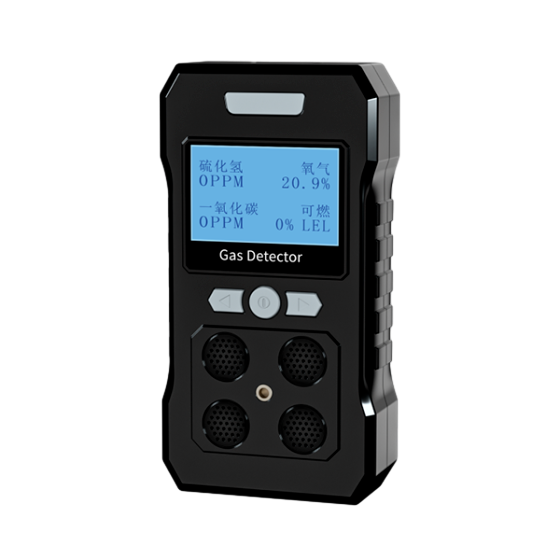
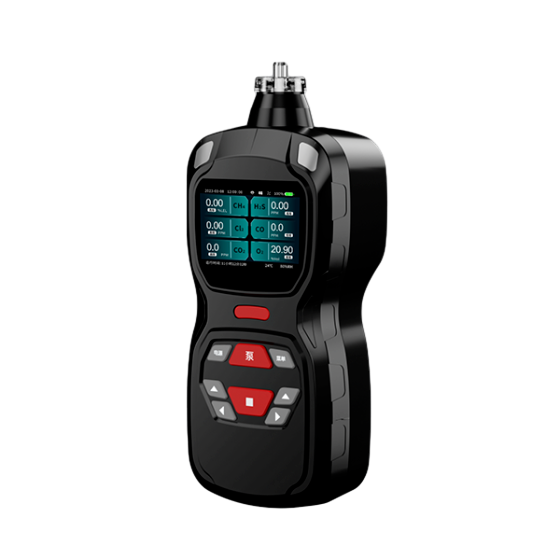
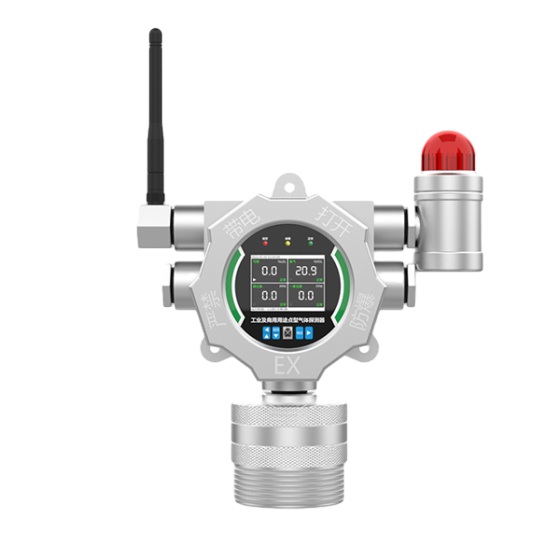
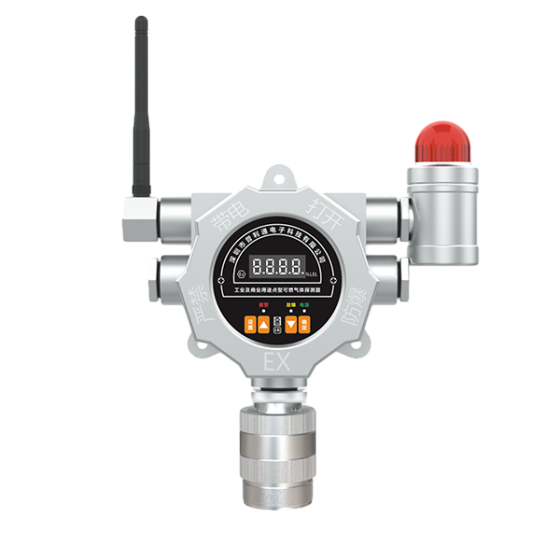
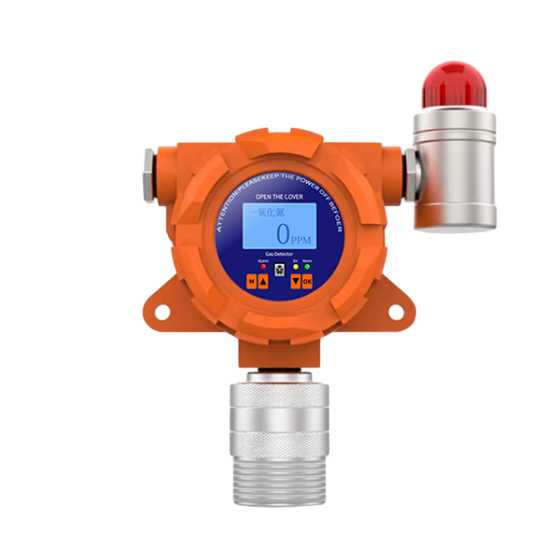
4 in 1 gas detectors are designed to detect multiple gases simultaneously, providing real-time data that is vital for making informed decisions during emergencies. These devices typically monitor hazardous gases, such as carbon monoxide (CO), hydrogen sulfide (H2S), methane (CH4), and oxygen (O2). Their importance in risk management cannot be overstated, as they:
- Enable early detection of gas leaks or toxic exposures.
- Reduce the likelihood of accidents and injuries.
- Support compliance with safety regulations and standards.
In industries like oil and gas, construction, and manufacturing, the presence of harmful gases poses significant risks. By integrating 4 in 1 gas detectors into their safety protocols, organizations can enhance their emergency response plans and protect their workforce.
3. How Does a 4 in 1 Gas Detector Work?
Understanding the mechanics of a 4 in 1 gas detector is essential for appreciating its value in risk management. These detectors employ advanced sensor technology to measure the concentration of various gases in the environment. The typical operational process includes:
1. **Gas Sampling:** The device draws in air samples from the environment through a pump or diffusion method.
2. **Gas Detection:** Specialized sensors, such as electrochemical sensors or infrared sensors, react to the presence of specific gases.
3. **Data Analysis:** The device’s internal processor analyzes the sensor data to determine gas concentrations.
4. **Alert System:** If gas levels exceed predefined safety thresholds, the detector activates visual and audible alarms to alert users.
This real-time monitoring capability ensures that organizations can respond promptly to hazardous situations, ultimately minimizing health and safety risks.
4. Benefits of Using a 4 in 1 Gas Detector
Utilizing a 4 in 1 gas detector offers numerous advantages that enhance safety measures and operational efficiency. Let's explore some key benefits.
4.1 Enhancing Safety in Various Environments
By providing multi-gas detection, these devices significantly improve safety in environments prone to gas leaks. Regular monitoring helps to:
- Identify hazardous conditions before they result in accidents.
- Protect workers from toxic exposure, thereby reducing health-related incidents.
- Enhance overall workplace safety culture through proactive monitoring.
4.2 Meeting Regulatory Compliance
Many industries are subject to stringent safety regulations that mandate the use of gas detection systems. A 4 in 1 gas detector helps organizations comply with these regulations by offering:
- Documentation of gas readings for regulatory reporting.
- Assurance that safety measures are in place to protect workers and the public.
- The ability to conduct regular safety audits and assessments.
This compliance not only helps avoid fines and penalties but also promotes a safer work environment.
5. Key Features to Look for in a 4 in 1 Gas Detector
When selecting a 4 in 1 gas detector, it is essential to consider several key features that ensure optimal performance and reliability. Important features include:
- **Sensor Technology:** Look for detectors that employ advanced sensors for accurate and reliable readings.
- **Calibration Capabilities:** A good detector should allow for easy calibration to maintain accuracy over time.
- **Display and Alerts:** A clear display and effective alert system are crucial for user safety and quick response.
- **Battery Life:** Opt for devices with long-lasting batteries to ensure continued operation during emergencies.
- **Durability:** Choose rugged devices built to withstand harsh environmental conditions.
These features contribute to the overall effectiveness of the gas detector in various scenarios.
6. Applications of 4 in 1 Gas Detectors in Different Industries
4 in 1 gas detectors are versatile tools applicable across a variety of industries. Below are some common applications where these devices play a critical role.
6.1 Industrial Settings
In industrial environments, such as chemical plants, manufacturing facilities, and oil refineries, the risk of gas leaks is significant. The use of 4 in 1 gas detectors ensures that:
- Workers are alerted to immediate dangers, allowing for quick evacuation if necessary.
- Safe working conditions are maintained through continuous monitoring.
- Compliance with industry safety standards is achieved, fostering a culture of safety.
6.2 Commercial Applications
Commercial settings, including restaurants and hospitality venues, also benefit from the use of 4 in 1 gas detectors. These devices can help in:
- Detecting gas leaks from kitchen equipment, such as stoves and ovens, to prevent fire hazards.
- Monitoring air quality to ensure a safe environment for patrons and staff.
- Complying with local health and safety regulations to avoid penalties.
By integrating gas detectors, businesses can enhance safety measures while protecting their reputation.
7. Best Practices for Using a 4 in 1 Gas Detector
To maximize the effectiveness of 4 in 1 gas detectors, organizations should adhere to several best practices:
- **Regular Maintenance:** Schedule routine checks and maintenance to ensure the detector remains functional and accurate.
- **Training and Education:** Provide comprehensive training for employees on how to use the detectors and respond in emergencies.
- **Calibration:** Regularly calibrate detectors according to manufacturer guidelines to maintain accuracy.
- **Data Logging:** Utilize data logging features to track gas levels over time for trend analysis and risk assessment.
- **Emergency Response Planning:** Integrate gas detection into the overall emergency response plan to ensure coordinated actions during incidents.
Implementing these best practices reinforces the safety protocols established within an organization.
8. Frequently Asked Questions (FAQs)
Q1: What gases can a 4 in 1 gas detector detect?
A1: A 4 in 1 gas detector typically monitors carbon monoxide (CO), hydrogen sulfide (H2S), methane (CH4), and oxygen (O2).
Q2: How often should I calibrate my gas detector?
A2: It is advisable to calibrate your gas detector at least once every six months, or more frequently based on the manufacturer's recommendations and usage conditions.
Q3: Are 4 in 1 gas detectors suitable for outdoor use?
A3: Yes, many 4 in 1 gas detectors are designed to be durable and resistant to environmental factors, making them suitable for outdoor applications.
Q4: How do I know if my gas detector is functioning correctly?
A4: Regular maintenance checks, self-tests, and calibration can help ensure that your gas detector is functioning correctly. Always follow the manufacturer’s guidelines for testing.
Q5: What should I do if my gas detector alarms?
A5: Evacuate the area immediately, follow emergency protocols, and do not return until it is safe to do so and the situation has been assessed by professionals.
9. Conclusion
In conclusion, the integration of a **4 in 1 gas detector** into emergency preparedness and risk management strategies is vital for ensuring safety in various environments. These advanced devices enhance safety, ensure regulatory compliance, and provide crucial real-time data that can make a significant difference during emergencies. By understanding their functionality, benefits, and best practices, organizations can better protect their workforce and minimize risks associated with hazardous gases. Embracing this technology not only promotes a safer workplace but also fosters a culture of safety and responsibility in emergency management.
Related Info
Combustible gas alarm maintenance
2020-07-03
2021-01-14


WhatsApp: