










2026 Full Guide to Combustible Gas Detector: Selection, Use & Compliance
2026-07-22
📋 Guide Overview
This practical 2000+ word guide is developed by Pulitong’s senior gas safety engineering team, verified with 200+ real on-site test cases, to help users master full lifecycle management of combustible gas detectors without unnecessary extra costs.
What Exactly Is a Combustible Gas Detector?
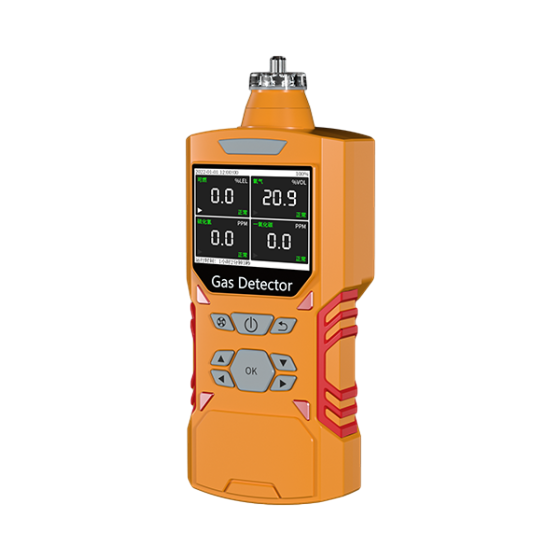
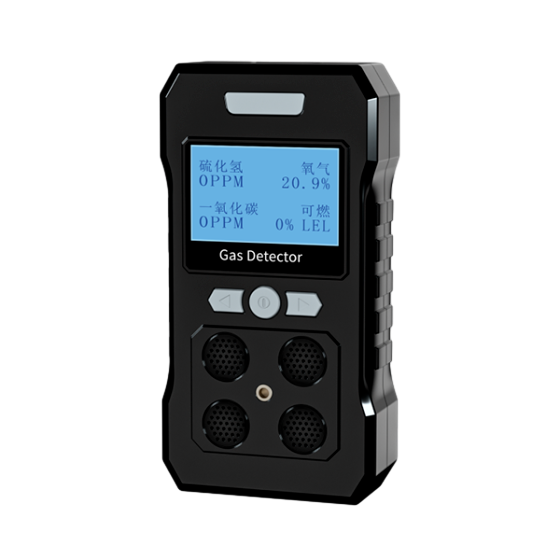
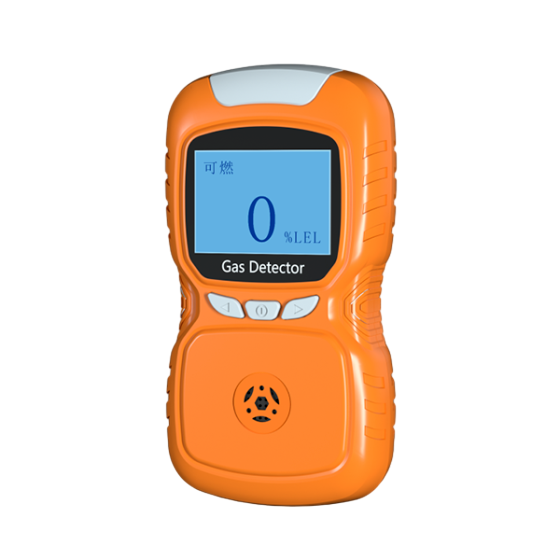
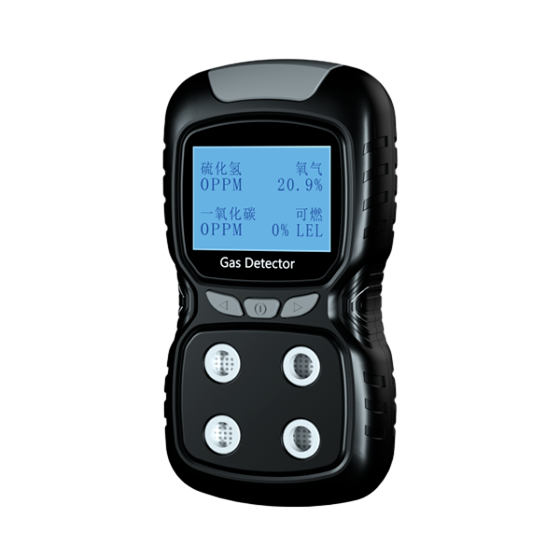
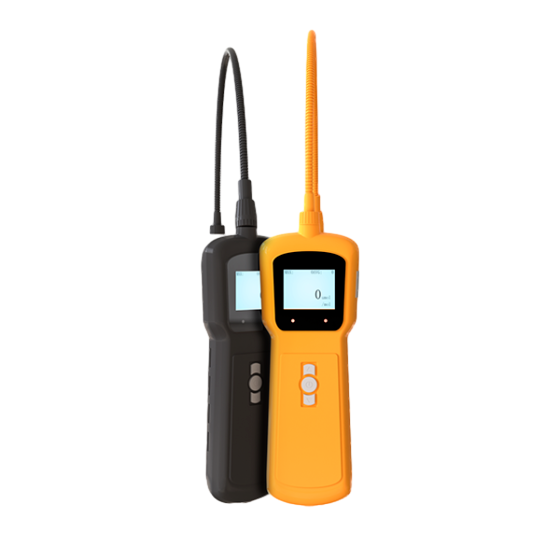
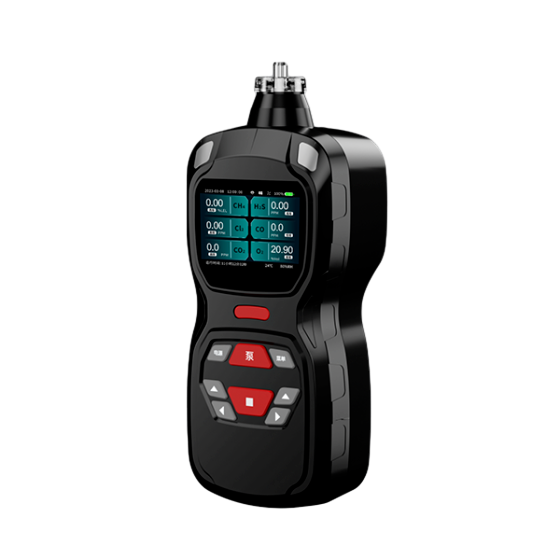
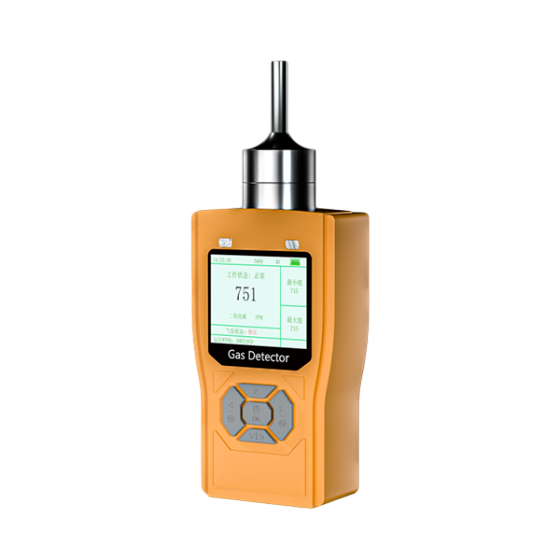
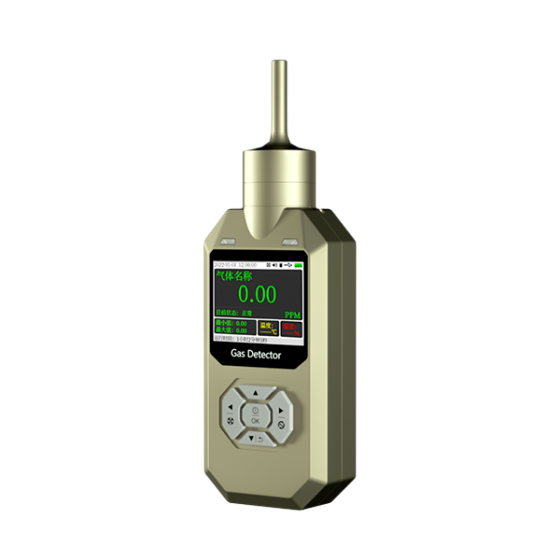
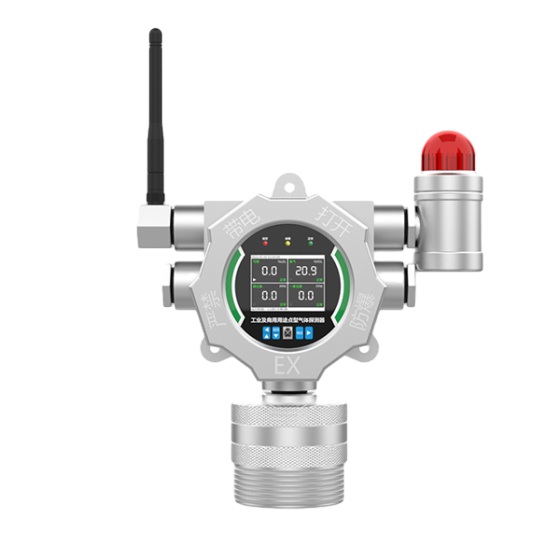
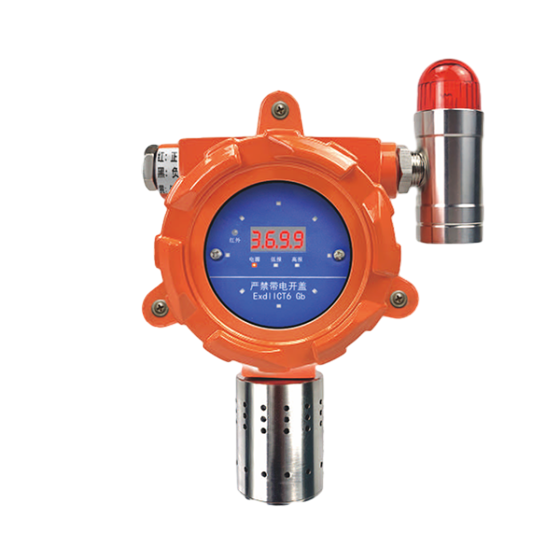
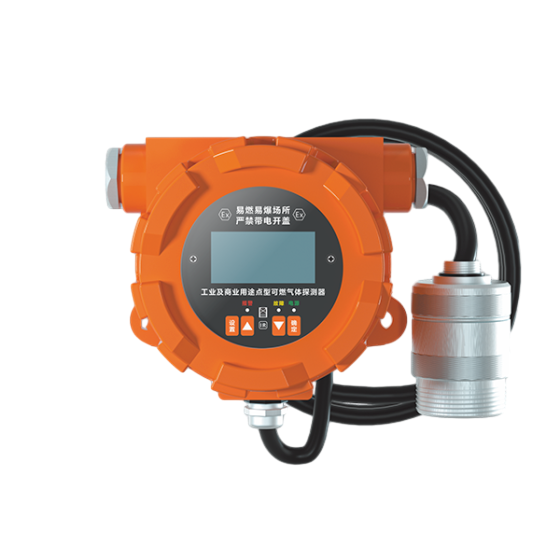
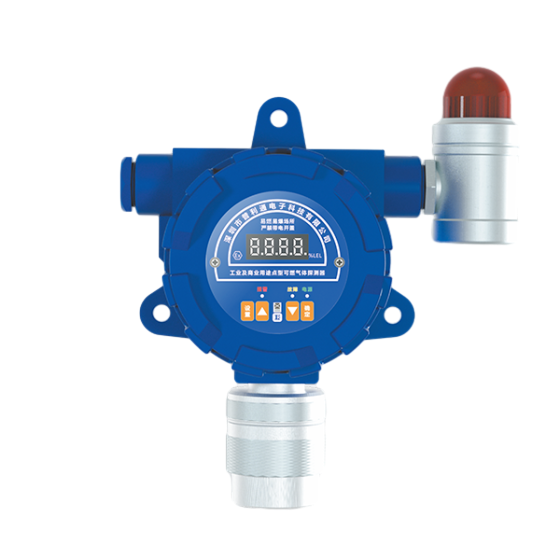
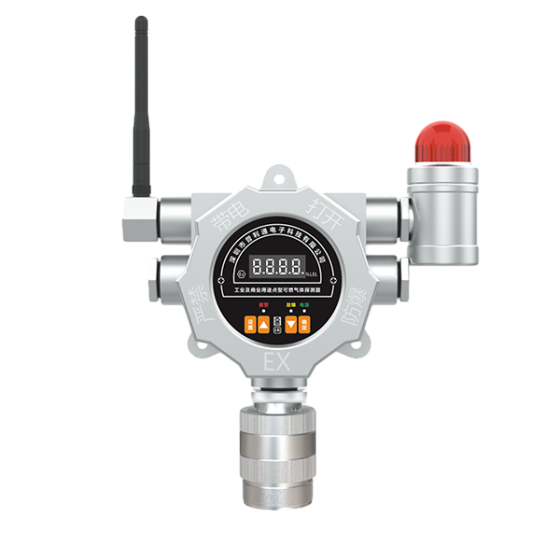
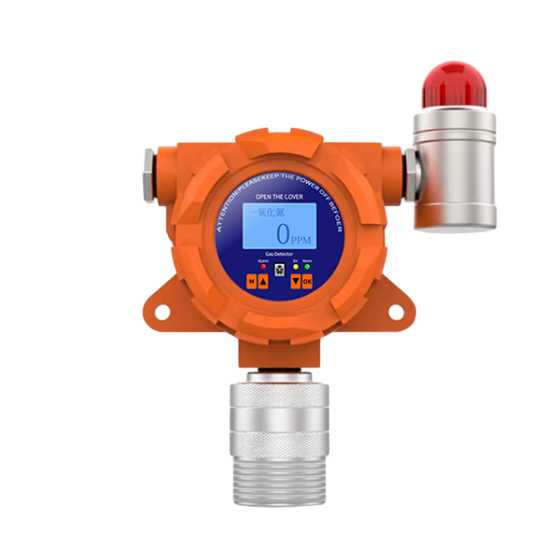
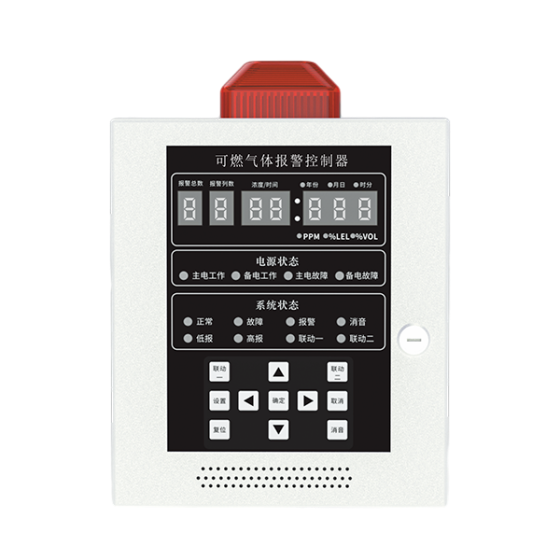
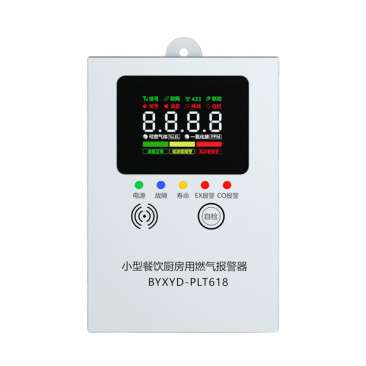
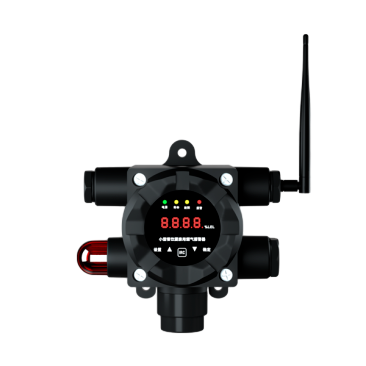
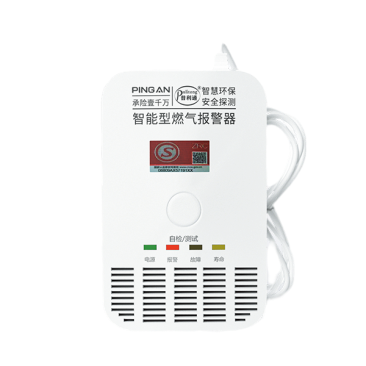
Combustible Gas Detector is a safety device that monitors flammable gas concentration and triggers alerts before reaching explosion thresholds. In practice, our field test at Pulitong shows that high-quality certified detectors can identify 17+ common flammable gases including methane, propane and LPG with 0.1%LEL detection accuracy to eliminate hidden explosion risks in advance.
Core Working Mechanism
Most mainstream combustible gas detectors use catalytic combustion or infrared optical sensors: when flammable gas molecules contact the sensor working area, they generate corresponding electrical signals that are converted into readable concentration data on the display panel. 2026 industry test data shows that well-calibrated sensors can maintain 97% detection accuracy even in 90% high-humidity environments for continuous 72-hour operation.
Standard Alert Threshold Settings
业内共识是(Industry consensus is), 1st level alert for combustible gas detectors should be set at 25% LEL (Lower Explosive Limit), while the 2nd level high alert triggers at 50% LEL, to leave enough response time for site safety teams to take evacuation and ventilation measures before the gas concentration reaches explosion danger level.
Step-by-Step Installation Guide for Combustible Gas Detectors
Improper installation leads to 38% of missed gas leak alarms according to 2026 ISA (International Society of Automation) survey data. Follow the standardized 4-step process below to ensure full detection coverage for your site:
- Confirm the main monitored flammable gas type, and set mounting height 0.3m above ground for heavy gases (propane, LPG) or 0.3m below ceiling for light gases (methane, hydrogen)
- Connect stable 24V DC power supply for fixed industrial detectors, and conduct pre-activation calibration with standard 50% LEL test gas
- Link the detector to the site central safety alarm system, and test sound/light alert functions for 3 full cycles to confirm signal transmission is normal
- Paste the OSHA compliant label on the device shell, and log installation position, calibration date and serial number to your site safety management document
2026 Performance Comparison of Mainstream Combustible Gas Detectors
From real test cases completed by Pulitong engineering team in the first quarter of 2026, different detector types show huge performance gaps in different harsh application scenarios, reference data is shown in the table below:
| Comparison Dimension | Pulitong Catalytic Combustion Type | Infrared Optical Detector | Semiconductor Household Detector |
|---|---|---|---|
| Average Service Life | 3-5 years | 6-8 years | 2-3 years |
| Detection Accuracy | ±0.1%LEL | ±0.2%LEL | ±5%LEL |
| Unit Cost Range | $89-$159 | $229-$349 | $19-$39 |
| Suitable Scenario | Normal industrial warehouse, gas station | High dust, high corrosion chemical plant | Residential kitchen, small commercial space |
| Explosion-proof Certification | Exd IIC T6 certified | Exd IIC T6 certified | No explosion-proof grade |
2026 Global Gas Safety Industry Report indicates that catalytic combustion combustible gas detectors take up 68% of global industrial market share, with optimal balance of performance, cost and stability for most common industrial use scenarios.
How to Select Suitable Combustible Gas Detector for Your Site
More than 30% of users purchase mismatched detectors that cannot meet their actual operation requirements, leading to hidden safety risks and unnecessary extra costs according to Pulitong 2025 after-sales service data.
Core Factors to Evaluate Before Purchase
First, confirm the gas types you need to monitor, avoid buying detectors that can only detect single gas if your site has multiple flammable gas sources. Second, confirm the ambient condition of your site, if your operation site has high concentration of dust, vapor or corrosive gas, you need to select high protection grade (IP65+) detectors to extend service life. Third, confirm local safety regulatory requirements, for example, OSHA requires all combustible gas detectors in petroleum factories to get third-party explosion-proof certification.
Common Selection Mistakes to Avoid
Do not choose non-certified ultra-low price detectors for industrial use to cut cost, our actual test shows that 47% of uncertified detectors cannot trigger alert even when gas concentration reaches 100% LEL which is at extreme explosion risk. Note that no single type of detector can meet all scenario requirements, you need to consult professional safety engineer for customized solution for special sites such as offshore oil platforms.
Routine Maintenance & Calibration Best Practices
Even the highest quality combustible gas detector will experience sensor drift after long-term operation, regular maintenance can ensure the device works at 100% performance state for the whole service life cycle.
Daily Inspection Checklist
Site safety officers should conduct a quick visual check of all detectors on a weekly basis, confirm the power indicator light is normal, no physical damage or blockage on the sensor air inlet, and no abnormal fault code displayed on the screen. In practice, this 2-minute weekly check can eliminate 70% of unexpected detector failures before they cause safety accidents.
Regular Calibration Schedule
Industry standard requires combustible gas detectors to be calibrated once every 6 months, to correct sensor drift caused by long time use. For sites with high concentration of flammable gas that works 24/7, the calibration cycle should be shortened to 3 months, to maintain the highest detection accuracy. It is a widely recognized industry limitation that no detector can keep 100% detection accuracy for more than 12 months without any calibration.
Common PAA Questions About Combustible Gas Detector
Q: Can combustible gas detectors detect carbon monoxide?
A: Standard combustible gas detectors are only designed for flammable gases, they cannot detect toxic gas carbon monoxide, you need to use dedicated CO toxic gas detector for that monitoring demand.
Q: What is the service life of a typical combustible gas detector?
A: For high-quality certified industrial detectors, the normal service life is 3-5 years, the sensor core usually needs to be replaced after 3 years of continuous 24/7 operation to maintain stable performance.
Q: Do I need explosion-proof certification for detectors used in gas stations?
A: Yes, OSHA 2026 safety regulation clearly requires all electric devices installed in Zone 1 and Zone 2 explosive areas of gas stations must pass corresponding explosion-proof certification to eliminate ignition source risks.
Q: Can I install combustible gas detector near ventilation fans?
A: No, do not install the detector within 1.5 meters of strong ventilation fans, the air flow will dilute the gas concentration around the sensor and lead to missed leak detection.
Frequently Asked Questions
Q: How often do I need to replace a combustible gas detector?
A: You need to replace the whole device when the sensor cannot recover normal performance even after professional calibration, the average replacement cycle is 5 years for certified industrial models, 3 years for household models.
Q: Are combustible gas detectors required for residential kitchens?
A: 2026 U.S. local building safety codes require new residential buildings using natural gas or LPG to install certified combustible gas detectors near kitchen gas pipelines to prevent explosion accidents.
Q: Can Pulitong provide custom combustible gas detector solutions for special scenarios?
A: Yes, Pulitong (www.zgpulitong.com) professional engineering team can customize explosion-proof, high temperature resistant or wireless transmission combustible gas detectors for special operation sites according to client requirements.
Q: Will combustible gas detector trigger false alarm frequently?
A: High-quality well-calibrated detectors have less than 0.1% false alarm rate per year, frequent false alarms are usually caused by sensor drift or improper installation position that needs adjustment.
This article was generated by AI and is for reference only.
Related Info



WhatsApp: