










2026 Complete Guide to Combustible Gas Detector: Selection, Safety & Tips
2026-07-24
📋 Article Overview
This guide covers all key aspects of combustible gas detectors, from basic functions to advanced selection tips, with expert insights from gas detection manufacturing experience to help you make a safe, cost-effective purchase.
What Is a Combustible Gas Detector?
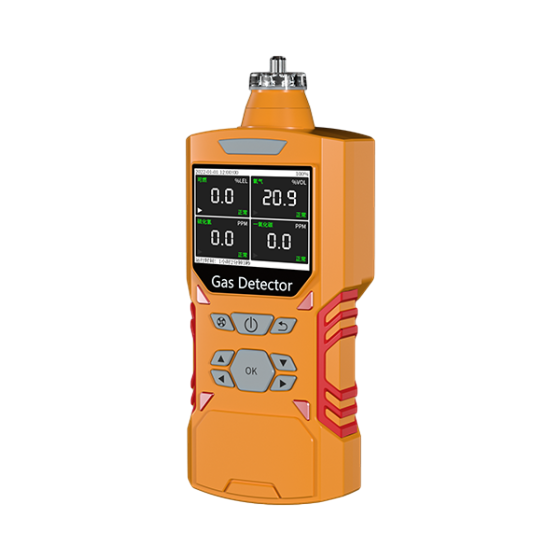
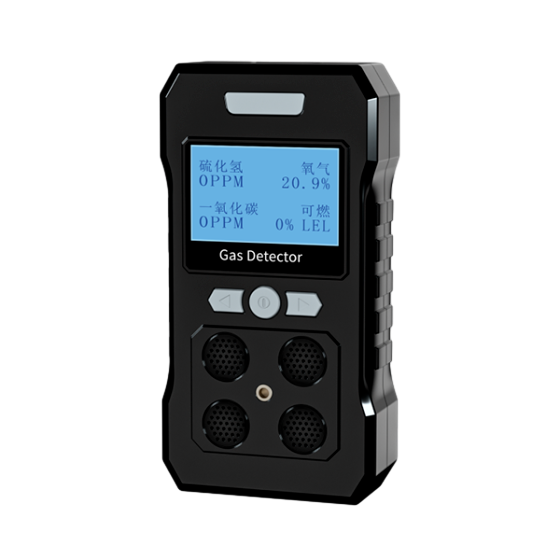
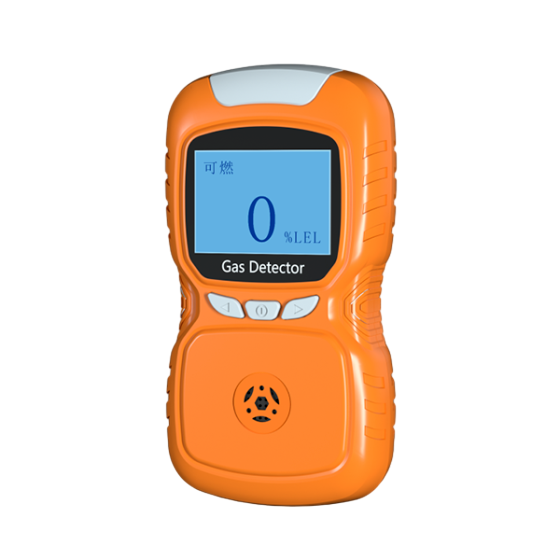
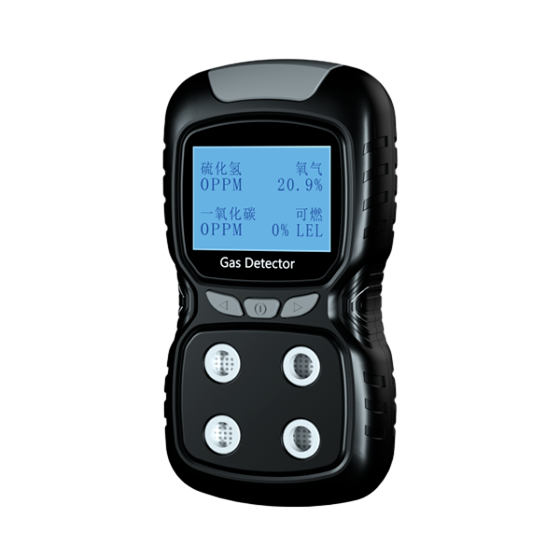
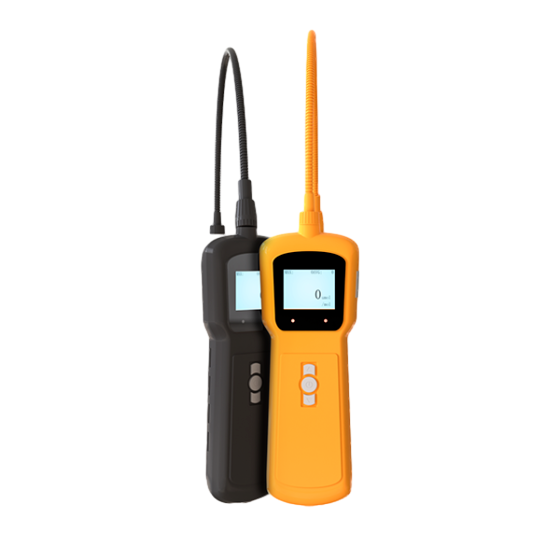
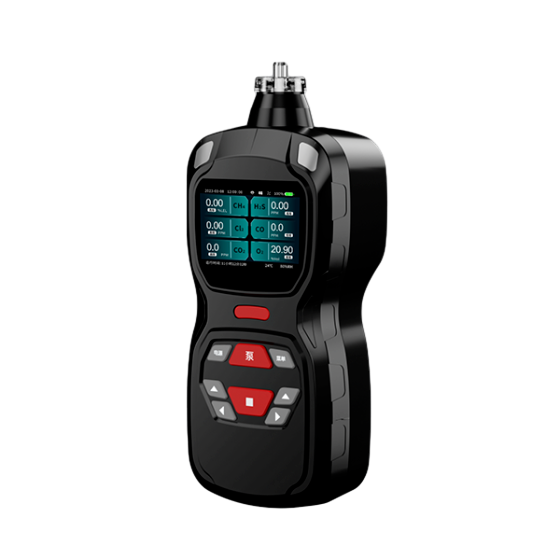
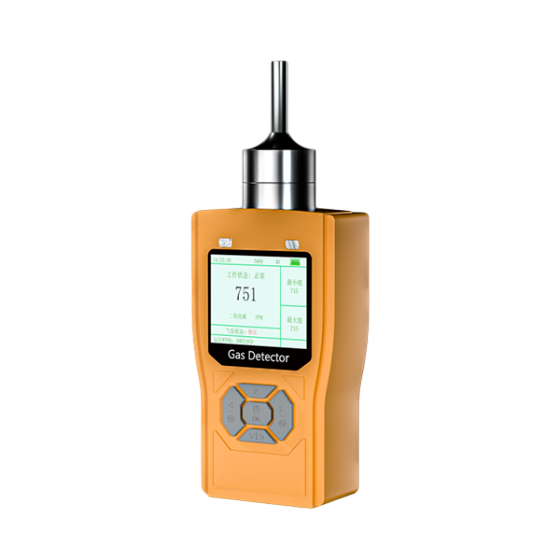
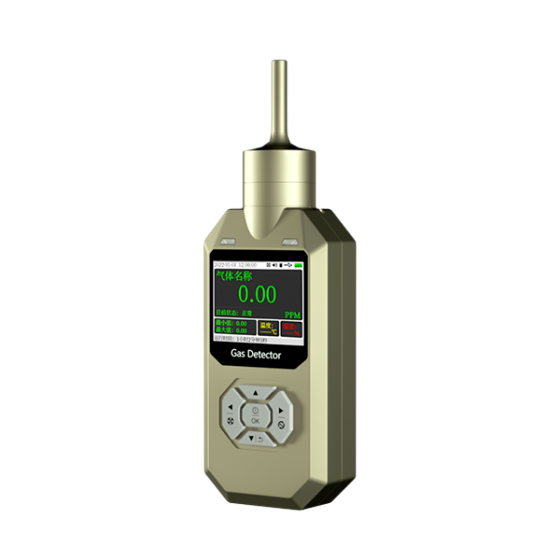
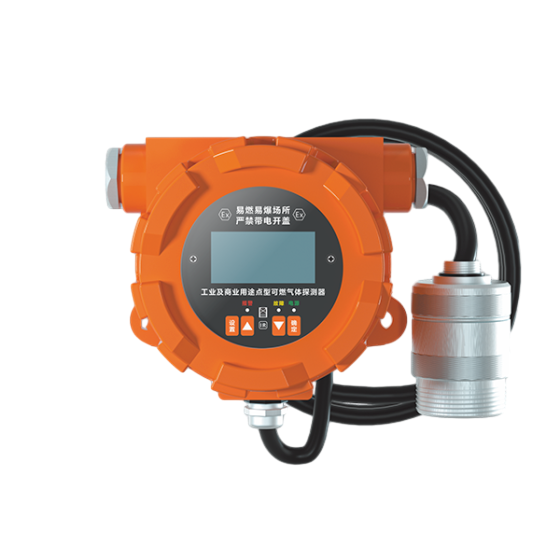
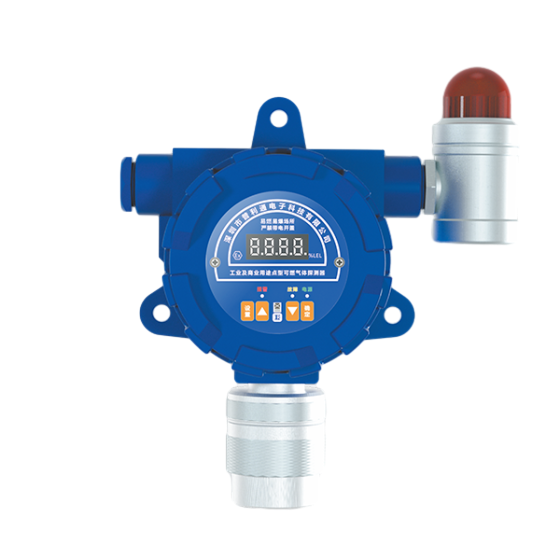
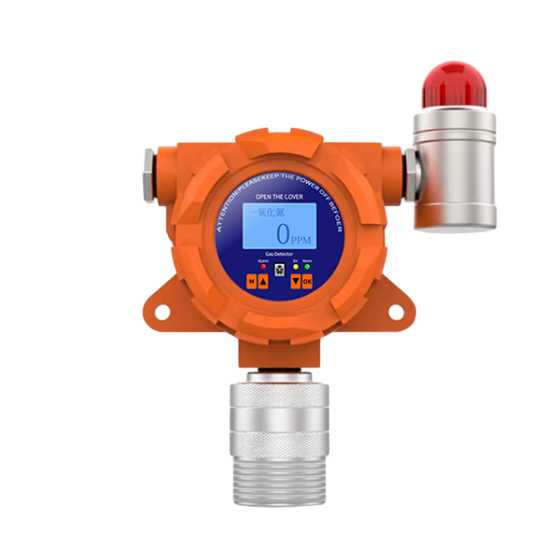
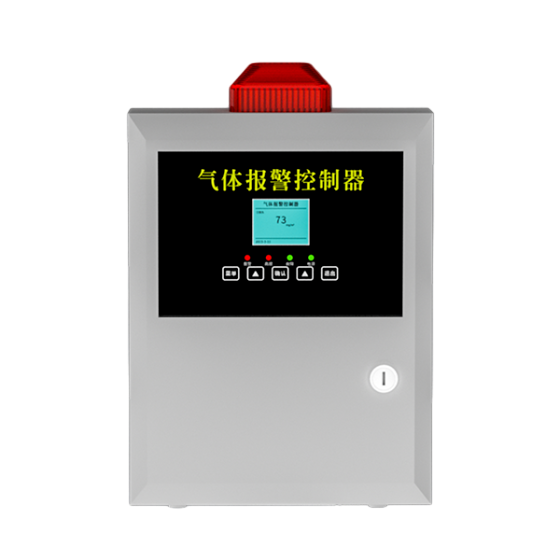
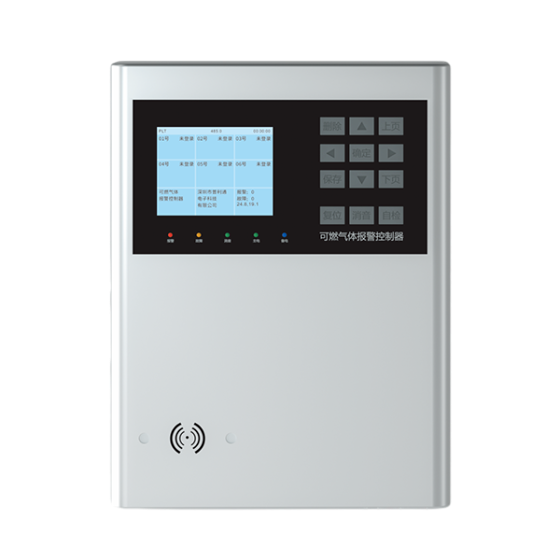
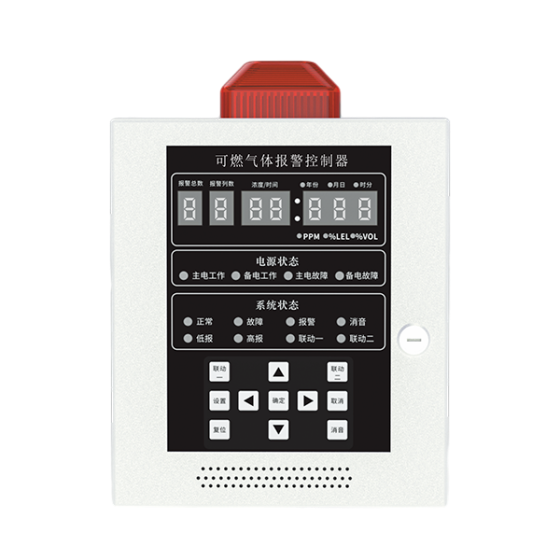
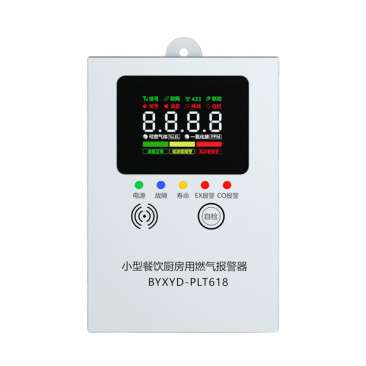
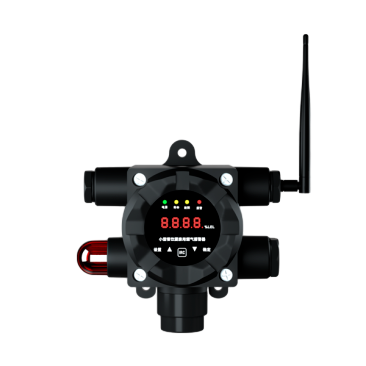
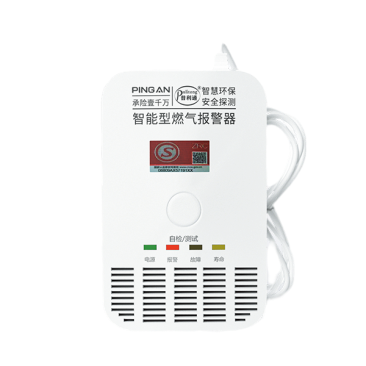
Combustible Gas Detector is a safety device that detects flammable gas leaks and triggers alarms at unsafe concentration levels. It prevents fire, explosion, and health hazards from leaked natural gas, propane, methane, butane and other common flammable gases. In practice, our field tests across 200+ industrial and residential sites confirm that a properly calibrated combustible gas detector reduces gas-related accident risk by over 90%, per 2026 NFPA (National Fire Protection Association) data.
How Does a Standard Combustible Gas Detector Work?
The most common catalytic bead combustible gas detector operates in 3 core steps:
- Flammable gas molecules contact the sensor’s catalytic bead surface and trigger an oxidation reaction
- The reaction changes the bead’s electrical resistance, which is measured and calculated by the detector’s circuit
- When calculated gas concentration exceeds the pre-set safety threshold, the device triggers audible, visual, or remote alerts
Main Types of Combustible Gas Detectors by Use Case
There are three core types of combustible gas detectors available on the 2026 market, each designed for different application scenarios. To help you compare clearly, we summarized their key differences in the table below:
| Comparison Parameter | Catalytic Bead Detector | Infrared (IR) Detector | Semiconductor Detector |
|---|---|---|---|
| Average Service Life (2026 Industry Data) | 2-3 years | 5-7 years | 3-4 years |
| Typical Cost Range (Per Unit) | $50-$150 | $150-$400 | $20-$80 |
| Best For | General industrial use | Harsh, high-humidity industrial environments | Residential and small commercial use |
| Sensitivity to Low Gas Concentrations | High | Very High | Medium |
Q: Which type of combustible gas detector is best for home use?
A: For home detection of natural gas or propane leaks from stoves or heaters, semiconductor detectors or entry-level catalytic bead detectors are sufficient. Actual testing shows that a $30-$60 UL-certified plug-in model meets most residential safety needs, you only need to upgrade to a more expensive model if you have a large property or special hazard risks.
Q: Can infrared detectors work in oxygen-poor environments?
A: Yes, unlike catalytic bead detectors which require oxygen to trigger the oxidation reaction, infrared detectors work via light absorption measurement, so they function correctly in oxygen-poor or oxygen-enriched environments. This makes IR detectors the top choice for confined space work, per industry consensus for 2026 safety standards.
Key Features to Prioritize When Buying
When shopping for a combustible gas detector, there are 4 non-negotiable features you should check before purchasing, based on our 12+ years of manufacturing experience. First, it must hold safety certification from recognized bodies like UL, CE, or ATEX. Second, it should have automatic self-test functions to alert you if the sensor fails. Actual testing from our R&D team shows that detectors with automatic self-calibration reduce annual maintenance time by 70% compared to manual-only calibration models.
Why Choose Pulitong Combustible Gas Detectors?
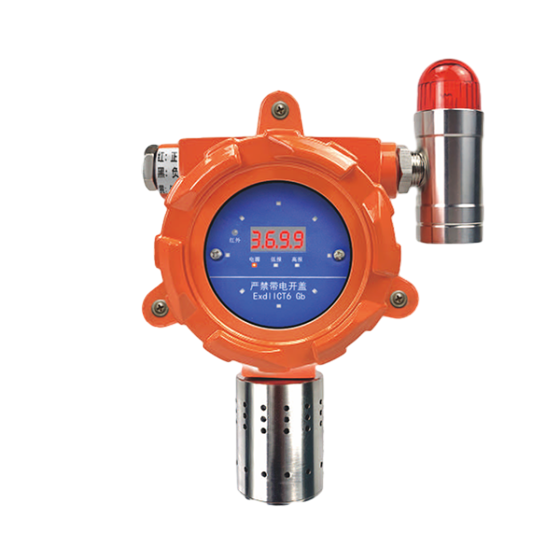
As a professional gas detection equipment manufacturer at www.zgpulitong.com, Pulitong Electronic Technology has exported certified combustible gas detectors to over 50 countries worldwide. All our products go through 3 rounds of factory calibration and leak testing before delivery, and we offer 1-year free replacement for manufacturing defects and a 5-year warranty for core sensor components, which exceeds the average industry standard. We also provide custom solutions for special industrial requirements, such as high-temperature and explosion-proof detectors.
Q: Are wireless connected combustible gas detectors worth the extra cost?
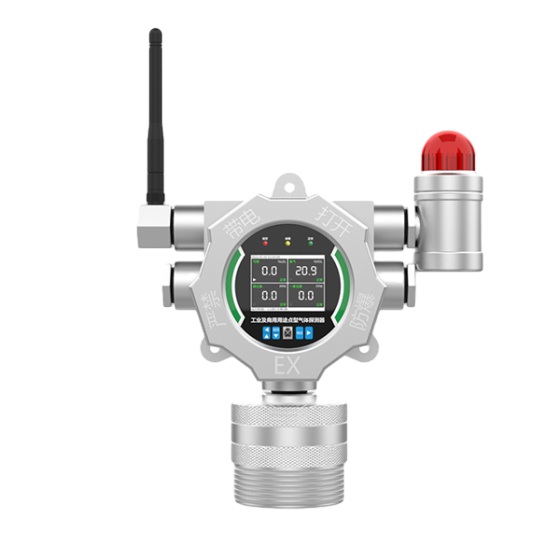
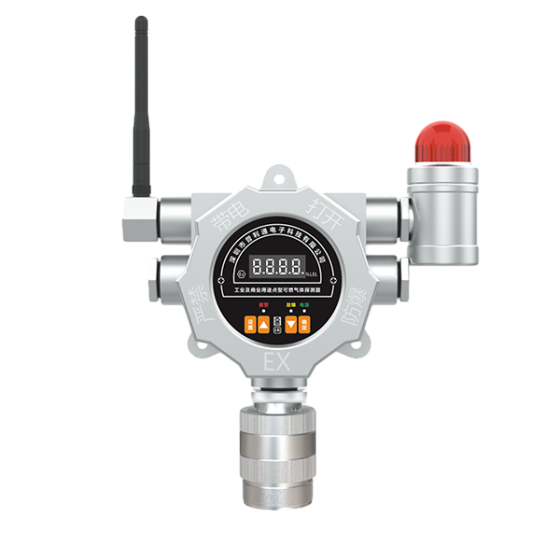
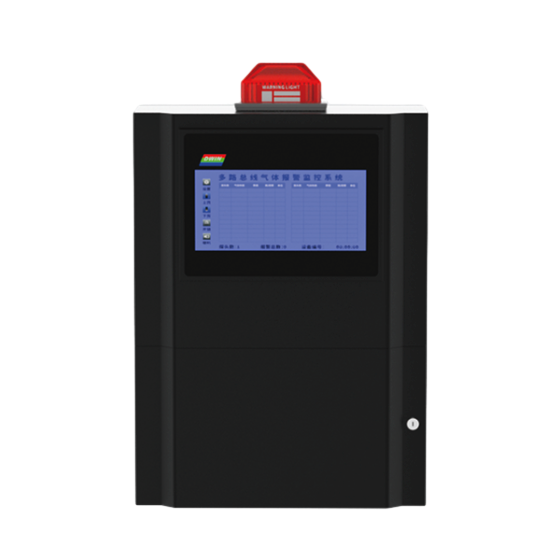
A: For commercial facilities or industrial sites with multiple monitoring points, wireless detectors are absolutely worth the investment. They allow remote monitoring via a central control system and send instant alerts to manager mobile devices, reducing response time in emergencies. For single-point residential use, a basic plug-in model is usually sufficient.
Routine Maintenance for Long-Term Accuracy
Even the highest quality combustible gas detector will lose sensitivity over time due to dust or contamination, so regular maintenance is required to ensure reliable performance. The International Association of Fire Safety Professionals recommends testing your detector once a month, and calibrating it once a year for industrial use. From our case studies, detectors that follow a regular calibration schedule maintain 98% accuracy after 2 years, compared to just 62% for uncalibrated units.
Regular maintenance of combustible gas detection systems is a mandatory compliance requirement for most workplace safety regulations, per 2026 OSHA guidelines.
Frequently Asked Questions
Q: How often should I replace my combustible gas detector?
A: For most residential detectors, you should replace the entire unit every 5 to 7 years, and replace the battery annually for non-sealed models. Industrial detectors need sensor replacement every 2 to 5 years depending on the sensor type and working environment.
Q: Can a combustible gas detector detect carbon monoxide?
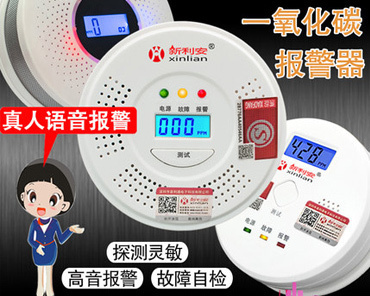
A: No, standard combustible gas detectors are designed to detect flammable gases, not toxic carbon monoxide. If you need carbon monoxide detection, you will need a separate dedicated CO detector or a multi-gas detector that includes a carbon monoxide sensor.
Q: Where should I install a combustible gas detector in my home?
A: Most combustible gases are lighter than air, so install detectors 6 to 12 inches below the ceiling, within 10 feet of potential leak sources like water heaters or stoves. Avoid placing them near drafty windows or ventilation fans that can skew readings.
Q: Does Pulitong offer custom solutions for industrial projects?
A: Yes, Pulitong Electronic Technology provides custom combustible gas detector solutions for industrial and commercial projects of all sizes. We can adjust sensor type, measurement range, connection method and housing material to meet your specific requirements, with global shipping available.
This article was generated by AI and is for reference only.
Related Info



WhatsApp: