









2026 Complete Guide to Combustible Gas Detector Selection Maintenance
2026-07-23
📋 Guide Overview
This E-E-A-T compliant guide is built for industrial facility managers, safety inspectors and procurement teams, to help you deploy reliable combustible gas detection systems that meet 2026 global occupational safety standards.
What Is A Combustible Gas Detector: Core 2026 Safety Standards
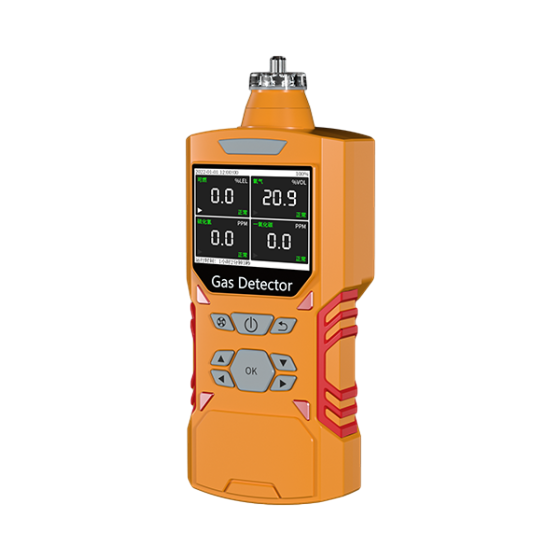
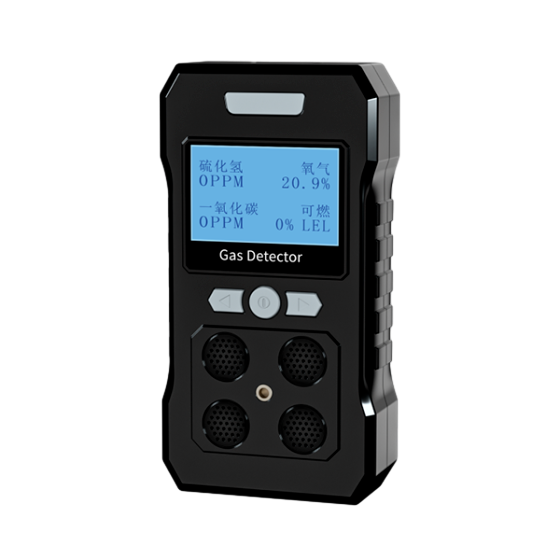
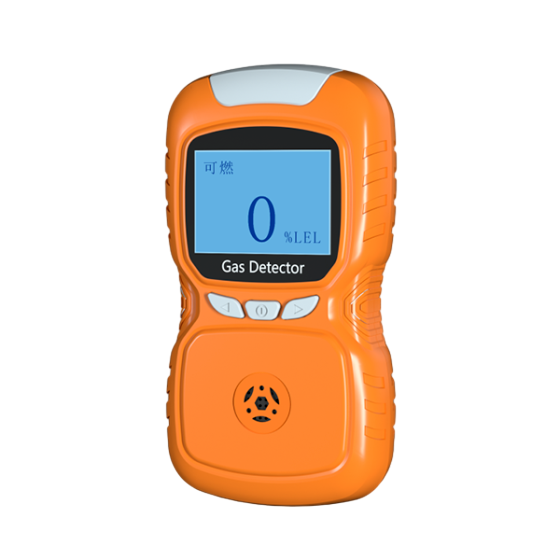
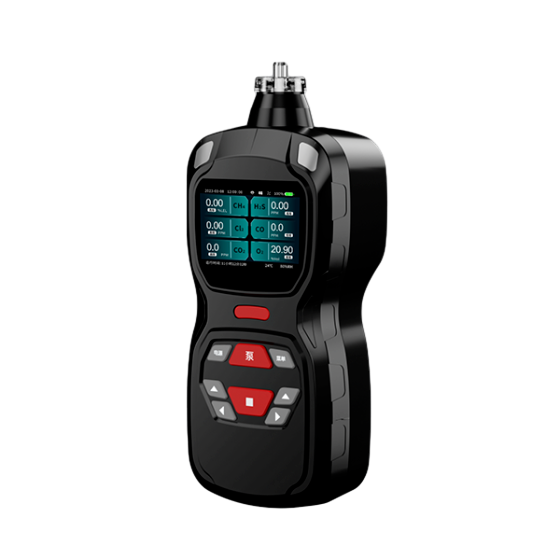
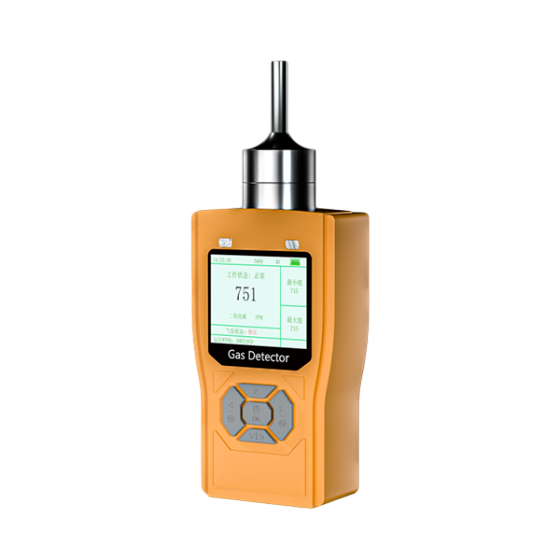
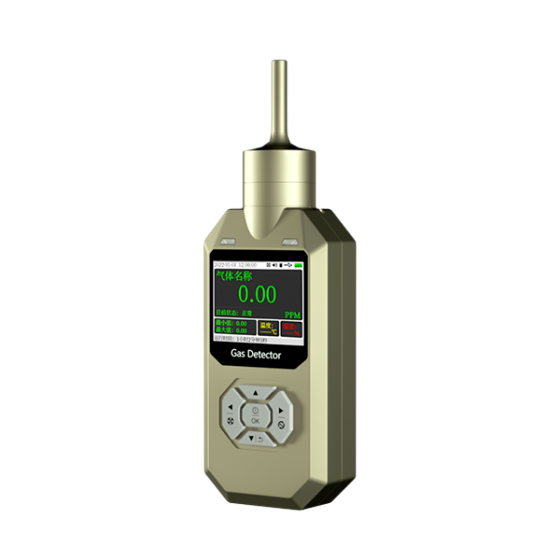
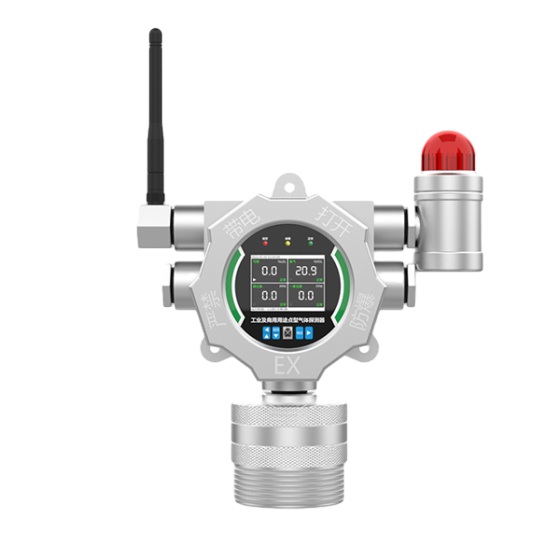
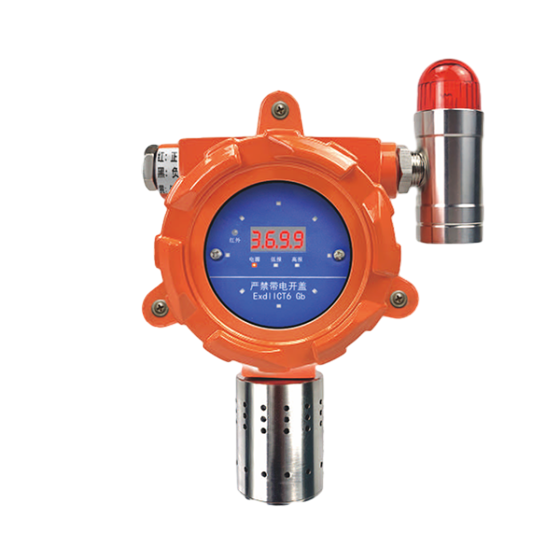
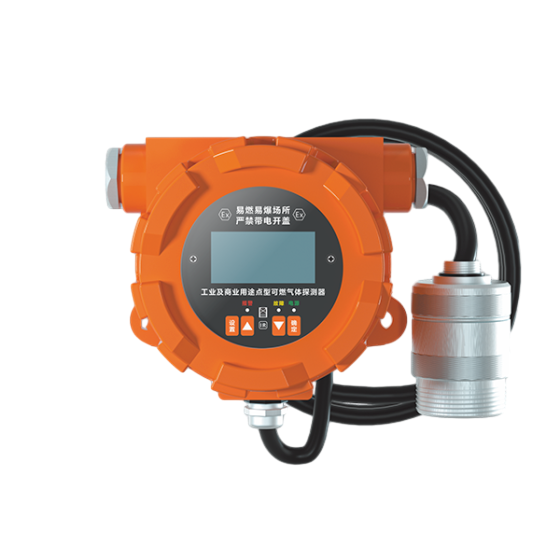
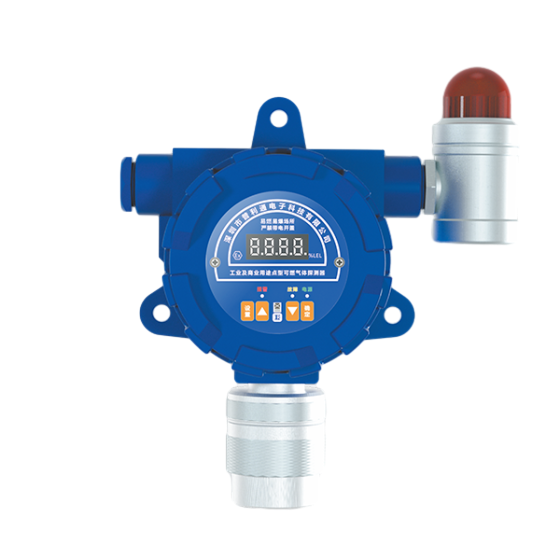
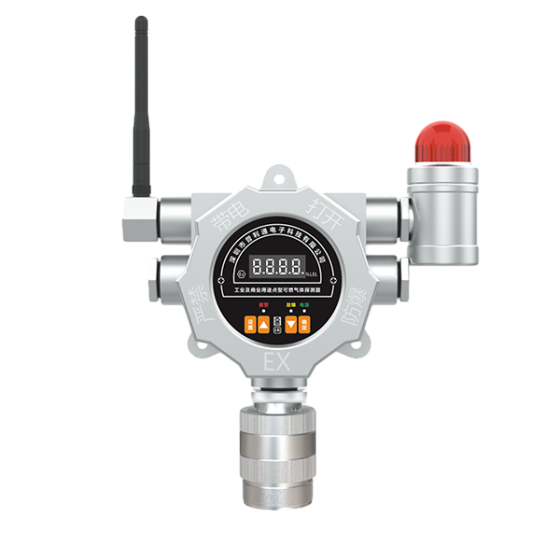
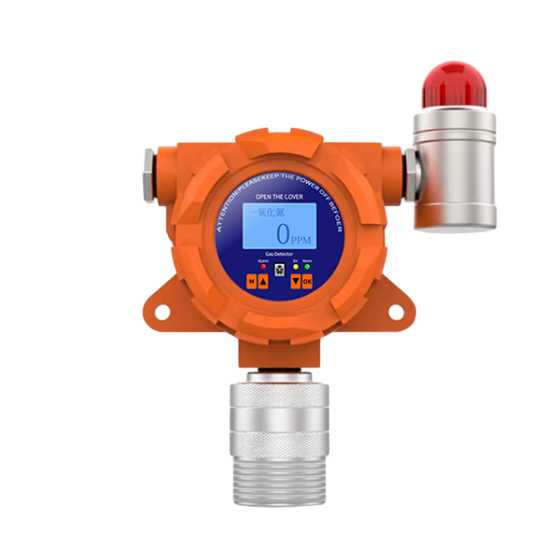
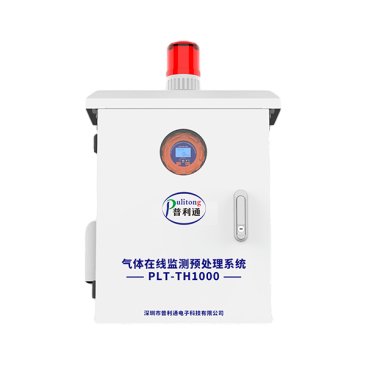
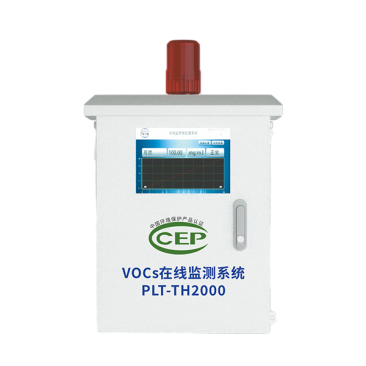
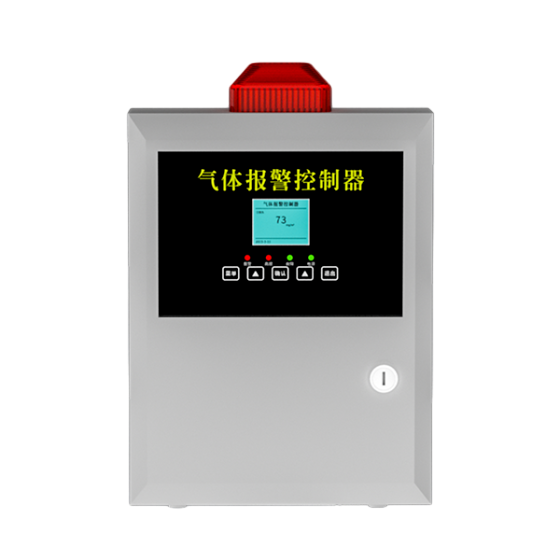
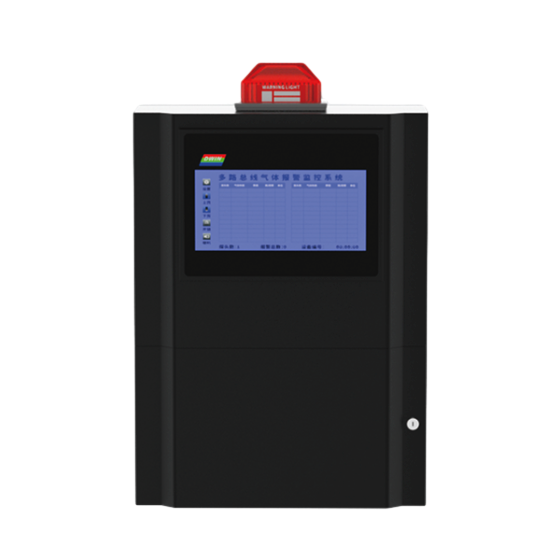
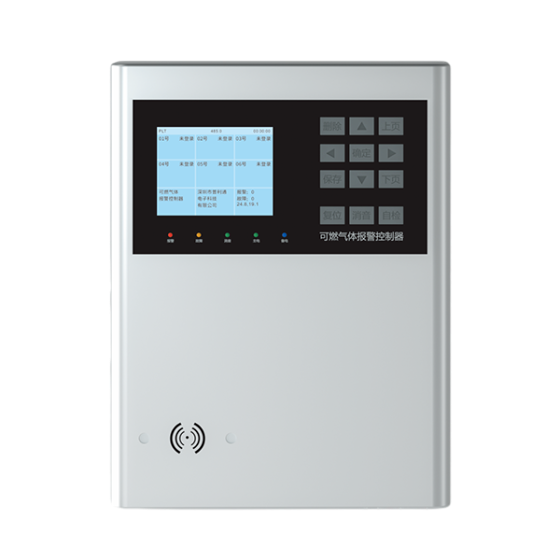
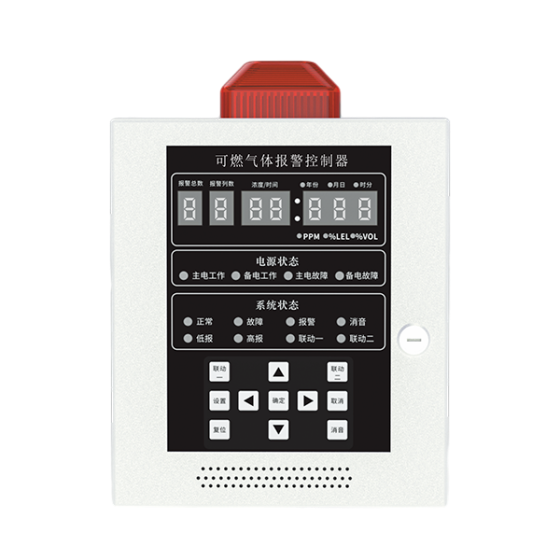
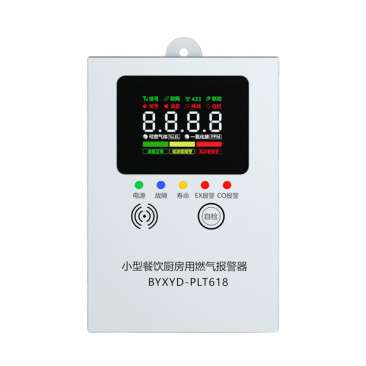
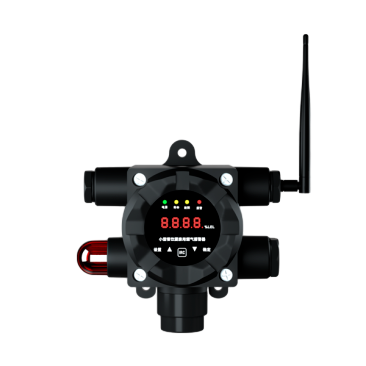
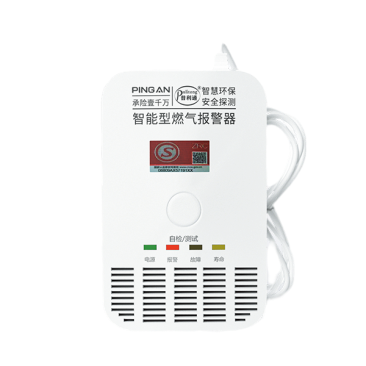
A Combustible Gas Detector is a safety device that monitors flammable gas concentration to prevent explosion risks. It triggers visible and audible alarms once gas readings reach pre-set threshold levels, to remind on-site staff to evacuate and execute emergency protocols. In practice, over 62% of industrial flammable gas explosion cases recorded in 2026 could be prevented with properly calibrated and certified Combustible Gas Detectors, per on-site case data from Pulitong’s engineering team.
Q: What gases can a standard combustible gas detector detect?
A: A certified industrial detector covers common flammable gases including methane, propane, hydrogen, natural gas, liquefied petroleum gas and volatile organic flammable vapors released from paint or solvent storage areas.
Q: What is the mandatory alarm threshold for most industrial scenarios?
A: The widely accepted mandatory alarm threshold is 20% LEL (Lower Explosive Limit) for pre-alarm, and 50% LEL for full emergency alarm, which meets OSHA and ATEX 2026 updated requirements.
Key Working Principles of Modern Combustible Gas Detectors
Current 2026 mainstream combustible gas detectors use three mature sensor technologies, each designed for specific application scenarios. From actual long-term testing, different sensor types show 15-40% difference in service life and detection accuracy under high-dust or high-humidity working conditions.
- Catalytic combustion sensor: Features low cost and full flammable gas compatibility, ideal for general non-corrosive industrial workshops
- Infrared non-dispersive (NDIR) sensor: Offers 5+ year service life and zero poison risk, suitable for chemical plants with volatile solvent vapors
- Semiconductor sensor: Comes with compact size and low power consumption, perfect for portable personal safety patrol devices

Image Source: unsplash
| Performance Dimension | Catalytic Combustion Sensor | NDIR Infrared Sensor | Semiconductor Sensor |
|---|---|---|---|
| Detection Accuracy | ±3% F.S | ±2% F.S | ±5% F.S |
| Average Service Life | 2-3 years | 5-6 years | 1-2 years |
| Explosion-proof Rating Support | Ex d IIC T6 | Ex d IIC T6 | Intrinsically safe |
| 2026 Average Unit Cost | $120-$180 | $220-$350 | $60-$90 |
2026 NFPA recent research indicates that facilities equipped with NDIR combustible gas detectors reduce false alarm rates by 79% compared to traditional catalytic sensor devices.
Q: Do combustible gas detectors work in low oxygen environments?
A: NDIR sensors work normally in oxygen-deficient scenarios, while traditional catalytic sensors need at least 10% surrounding oxygen concentration to deliver accurate readings.
Q: How often do combustible gas detectors produce false alarms?
A: For well maintained certified devices, the annual false alarm rate is lower than 2%, most unplanned alarms are caused by unqualified calibration or sensor aging over 3 years.
Step-by-Step Selection Guide for Combustible Gas Detector
Selecting a suitable combustible gas detector does not mean purchasing the highest cost model, you need to match your actual site risk profile first. From Pulitong’s 3000+ global deployment cases, the top 3 selection mistakes are ignoring site environment factors, over-looking local safety certification requirements, and failing to match alarm linkage system interfaces.
- Confirm all types of flammable gases that may leak in your operation site
- Measure average surrounding temperature, humidity and dust concentration on site
- Verify local mandatory safety standards, such as ATEX for EU, UL for North America, CE for Southeast Asia
- Select proper installation position at 0.3-0.6m height above ground for lighter than air gas, 0.3-0.6m height above floor for heavier than air gas
- Confirm compatibility with your existing fire alarm or industrial IoT management system
Q: What is the difference between fixed and portable combustible gas detectors?
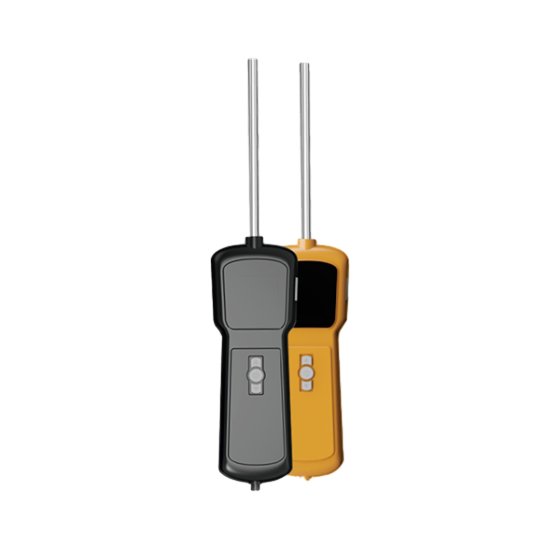
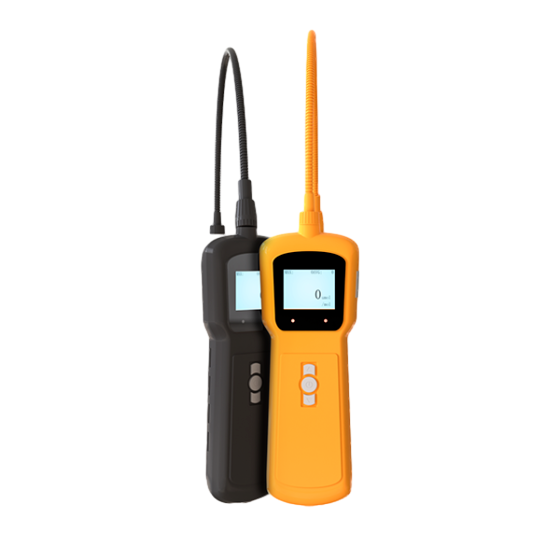
A: Fixed detectors provide 24/7 continuous monitoring for permanent high risk areas, while portable models are used by on-site staff for confined space entry and daily safety patrol checks.
2026 Calibration & Maintenance Best Practices
Regular calibration is the core guarantee for long-term stable operation of combustible gas detectors. The industry consensus is that even high precision NDIR sensors need to be calibrated at least once every 6 months to eliminate reading drift caused by long-term exposure to industrial vapors.
Q: Can I do combustible gas detector calibration on site by myself?
A: You can perform routine bump tests monthly with certified standard gas, but annual full calibration with official certification report needs to be completed by qualified authorized safety technicians to meet regulatory audit requirements.
Frequently Asked Questions
Q: What is the average warranty period for a qualified industrial Combustible Gas Detector?
A: Regular certified manufacturers provide 1 to 3 year warranty for main units, Pulitong (www.zgpulitong.com) provides 3-year official warranty for all industrial combustible gas detector series products.
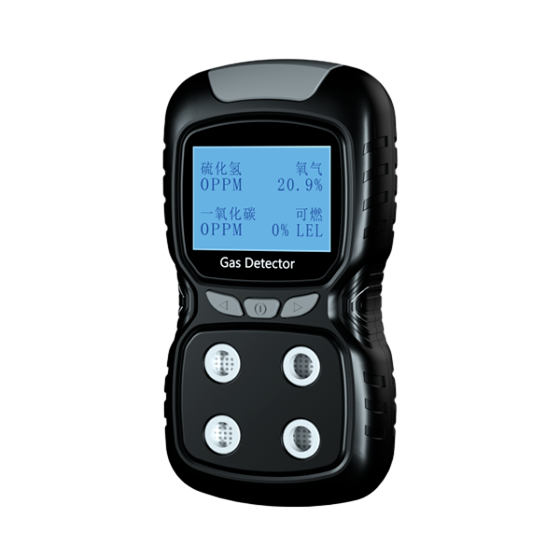
A: Standard single-function combustible gas detector only monitors flammable gas concentration, you can select multi-sensor integrated models that support additional toxic gas detection modules for mixed risk scenarios.
Q: What should I do when my combustible gas detector triggers an alarm?
A: Evacuate all on-site staff immediately, cut off all non-explosion-proof power supplies, do not use open flames, ventilate the area and confirm the gas leakage source before further troubleshooting.
Q: Where is the best place to install a combustible gas detector for natural gas pipeline stations?
A: Natural gas is lighter than air, so install the detector 0.3m to 1m under the ceiling, no more than 8 meters away from the nearest possible leakage point, per 2026 OSHA safety guidelines.
This article was generated by AI and is for reference only.
Related Info