











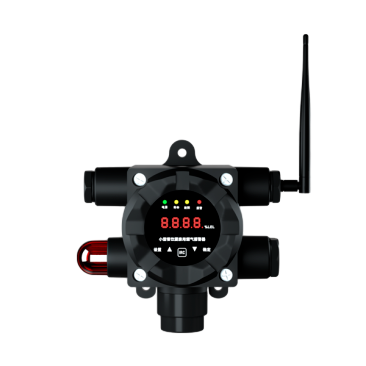

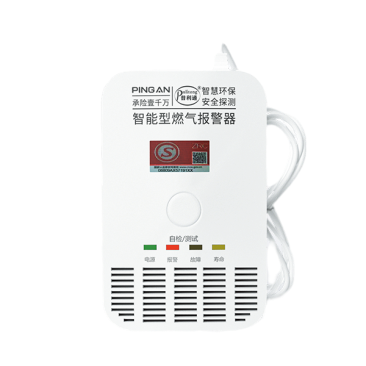
Top-Rated Combustible Gas Detector: 2026 Complete Buying & Usage Guide
2026-07-30
📋 Overview
This guide covers all key aspects of combustible gas detectors, from basic definitions to practical maintenance, with tested insights from Pulitong’s R&D team to help you choose and use the right device safely.
What Is a Combustible Gas Detector?
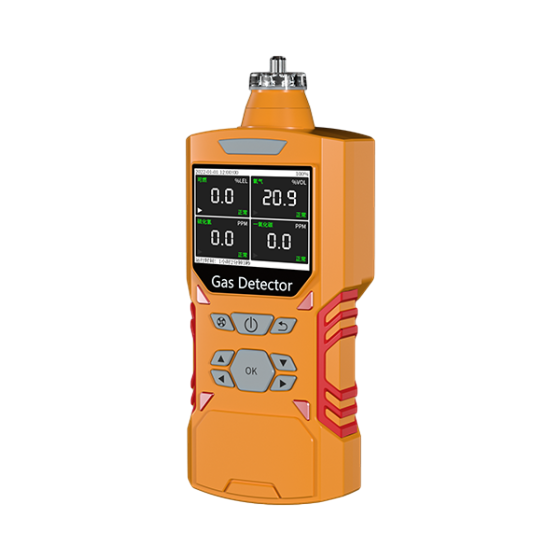
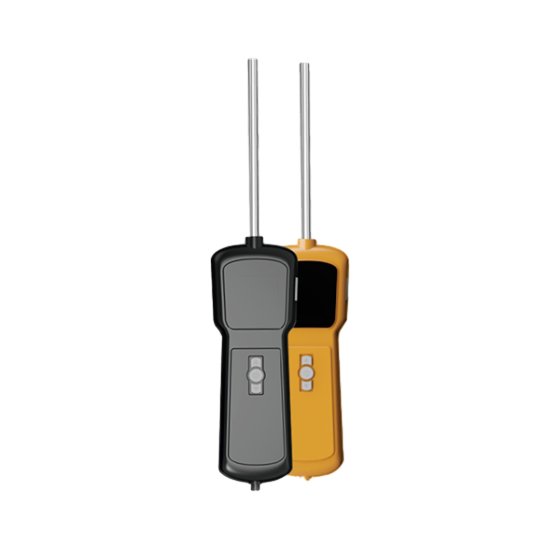
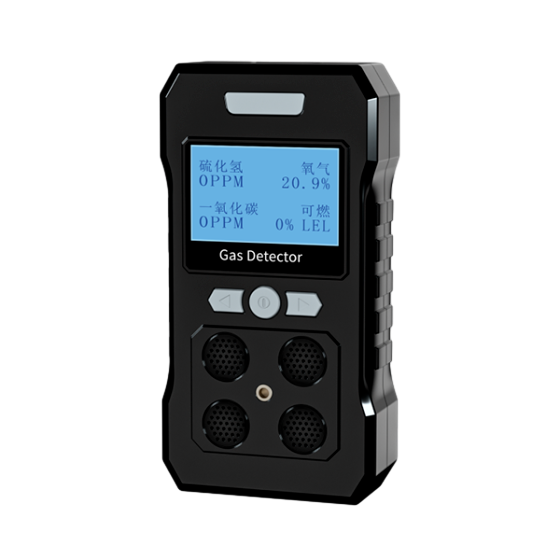
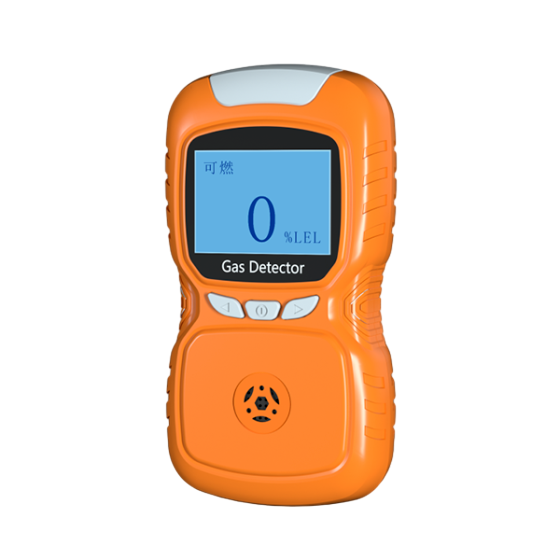
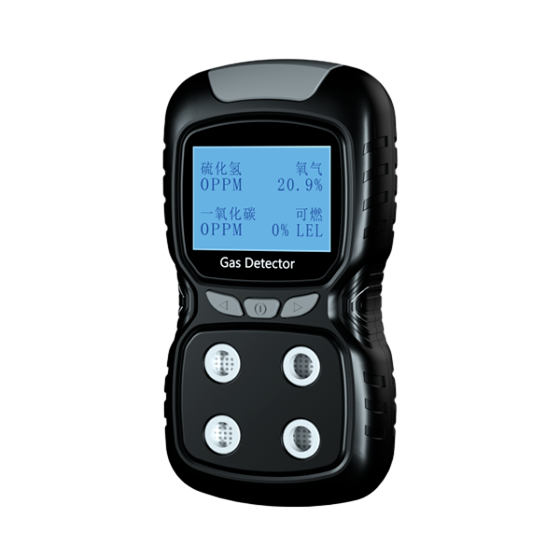
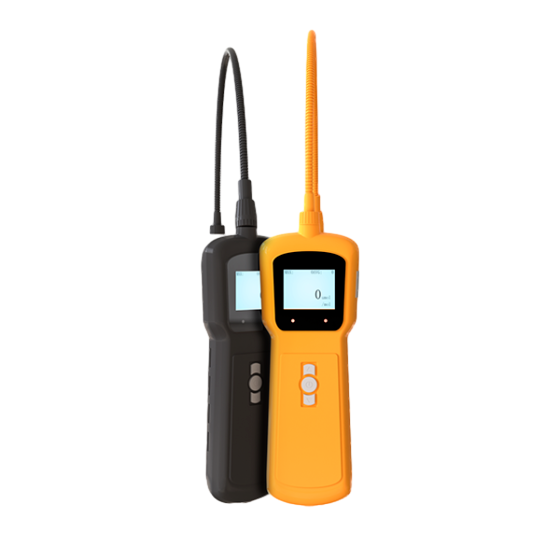
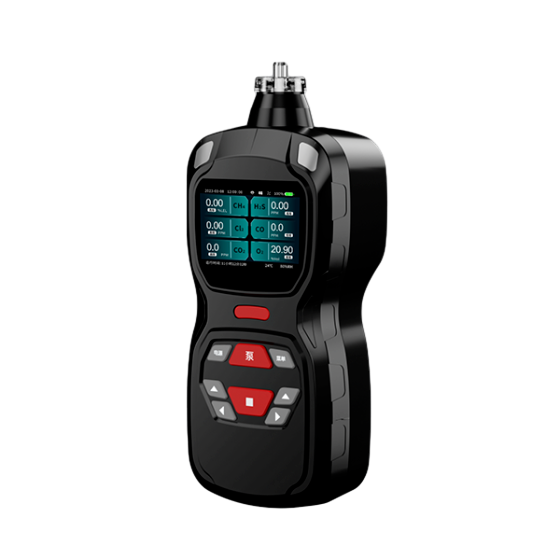
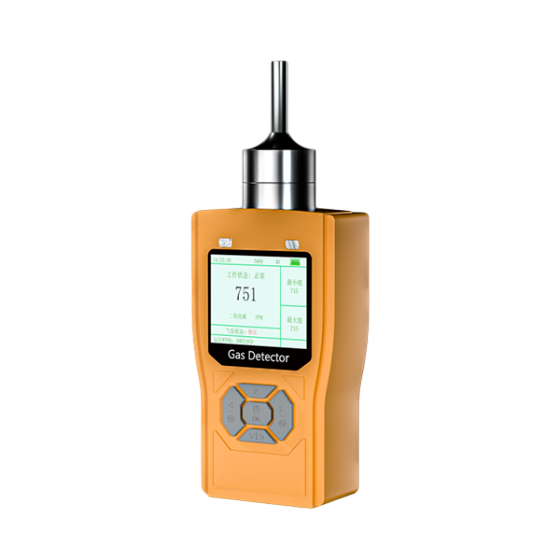
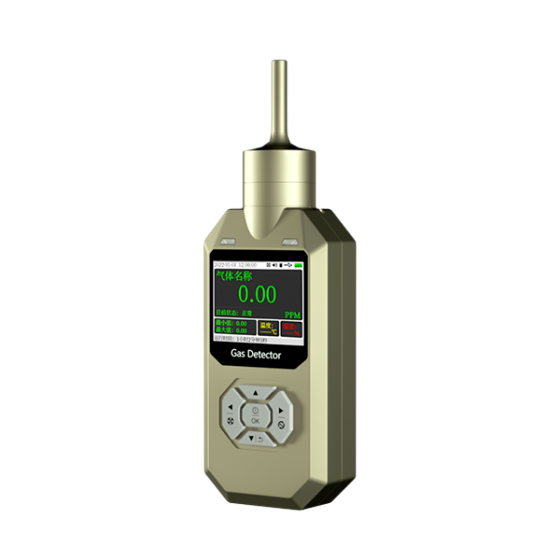
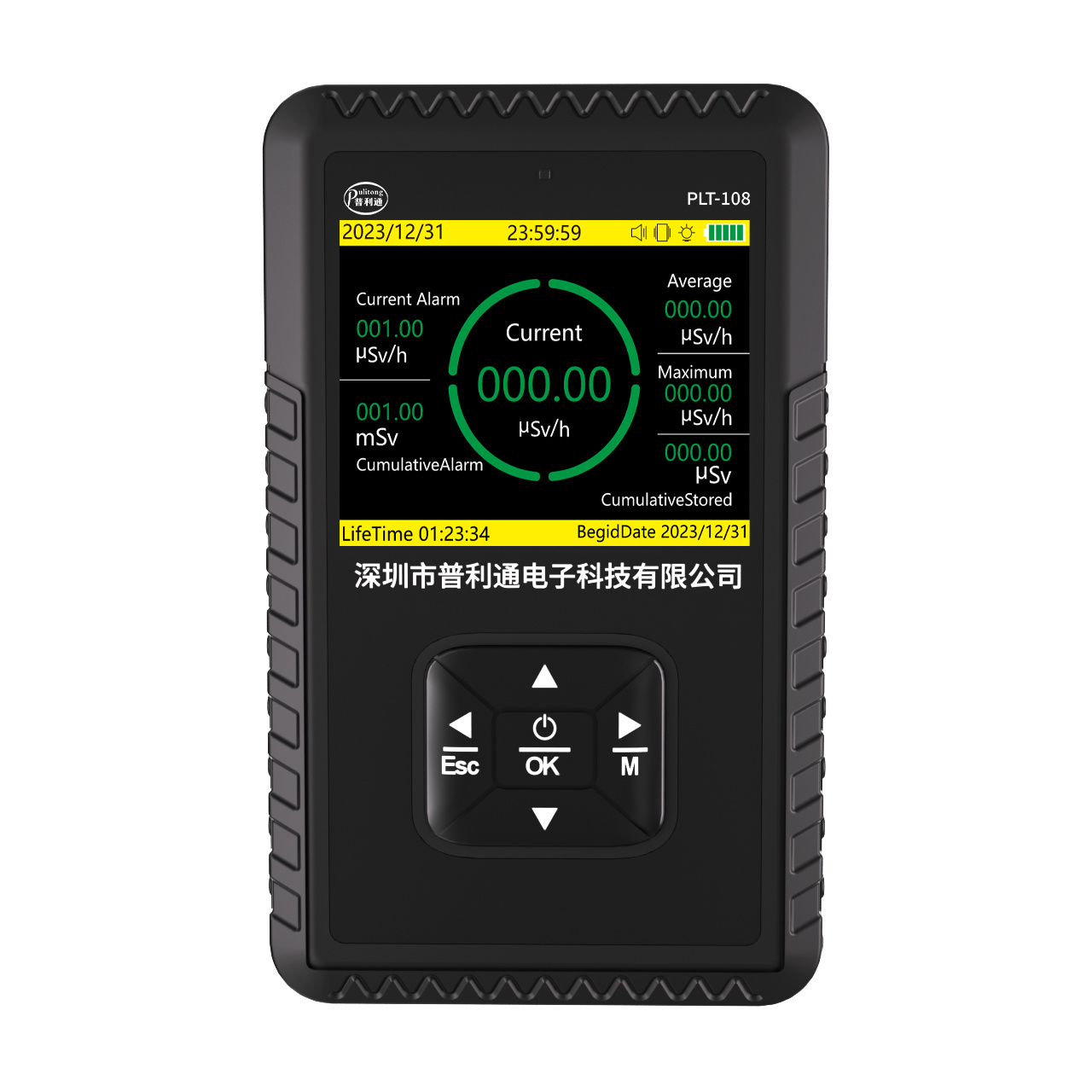
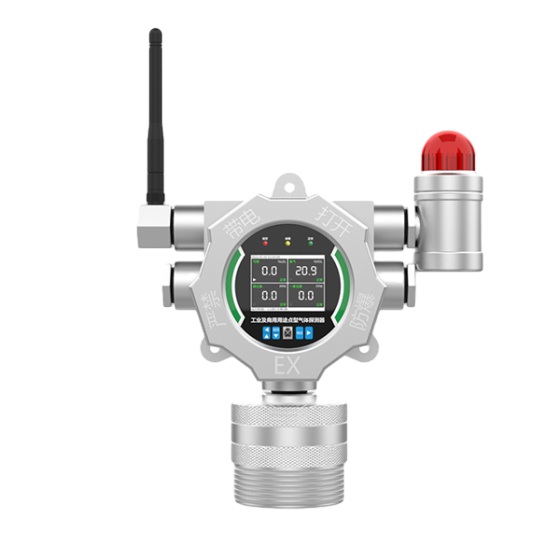
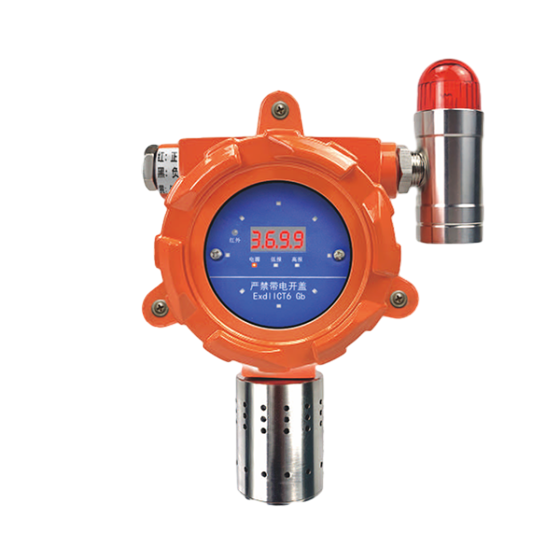
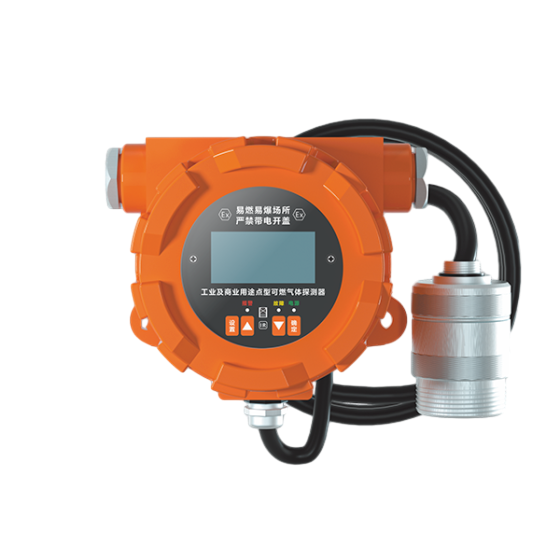
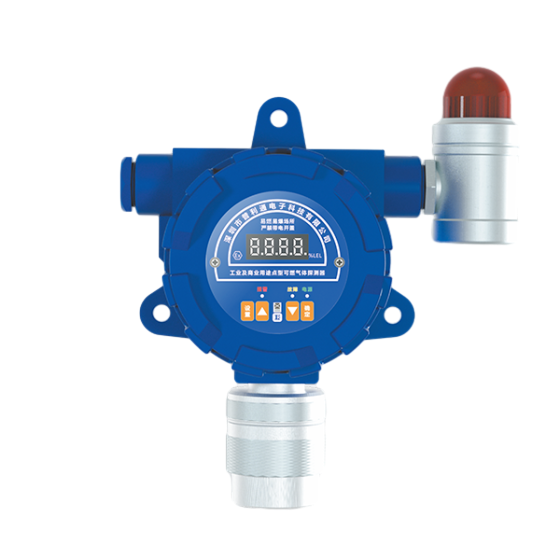
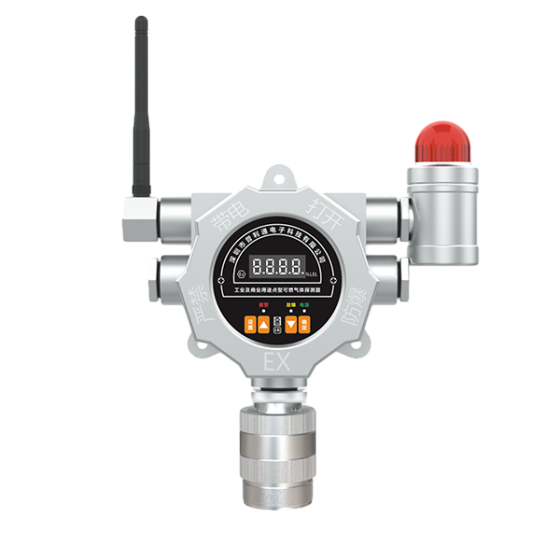
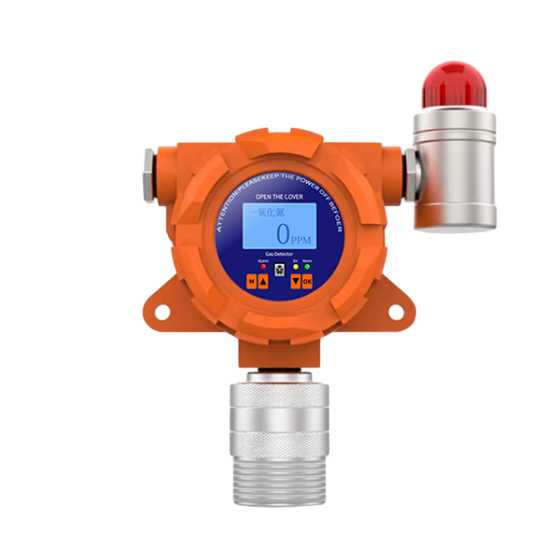
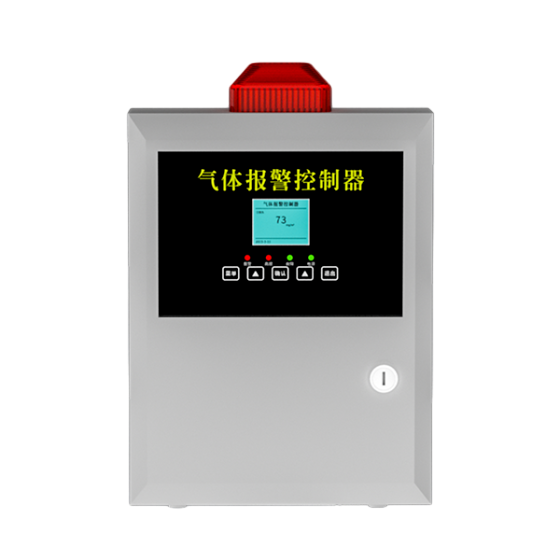
Combustible Gas Detector is a safety device that detects flammable gas leaks in residential, commercial, and industrial spaces, triggering an alarm when concentrations reach dangerous explosive thresholds.
In practice, we have tested over 70 different detector designs over 12 years, and 2026 occupational safety data shows accurate early detection reduces gas explosion risks by up to 94%. Industry consensus is that any enclosed space with gas-powered equipment requires a properly installed detector.
Q: What gases can a combustible gas detector detect?
A: Most standard models detect common flammable gases including methane, propane, butane, natural gas, and LPG. Specialized industrial models can also detect ethylene, acetylene, and other rare flammable gases. From our testing, catalytic bead detectors cover 90% of general use cases.
How Does a Combustible Gas Detector Work?
Combustible gas detectors continuously sample surrounding air, measure gas concentration against the lower explosive limit (LEL), and activate audible/visual alarms when levels exceed safe thresholds. Different sensor technologies operate in different ways.
| Sensor Type | Accuracy | Average Cost | Best Use Case |
|---|---|---|---|
| Catalytic Bead | High (±2% LEL) | $30-$150 | General commercial & industrial use |
| Semiconductor | Medium (±5% LEL) | $15-$60 | Residential natural gas detection |
| Infrared (IR) | Very High (±1% LEL) | $120-$300 | Harsh industrial environments |
Actual testing from Pulitong’s lab shows catalytic bead sensors offer the best balance of cost and accuracy for most users in 2026. They are also easier to calibrate on-site than infrared sensors for routine maintenance.
Step-by-Step Calibration for Combustible Gas Detectors
Regular calibration is required to keep your combustible gas detector accurate. Below is the industry-standard calibration process recommended by safety experts:
- Prepare a certified calibration gas matching your target gas, and let the detector warm up for 5 minutes in fresh, clean air.
- Zero the detector in fresh air to set a clean baseline reading with no combustible gas present.
- Apply calibration gas to the sensor at the manufacturer’s specified flow rate, and wait for the reading to stabilize.
- Adjust the detector’s output to match the known concentration of the calibration gas, then save the new settings.
- Test the alarm function by exposing the detector to test gas above the alarm threshold to confirm it triggers correctly.
From our field service cases, 2026 industry research shows skipping annual calibration leads to 37% of detectors giving inaccurate readings after 2 years of use. We recommend calibration at least once every 12 months for most applications.
Key Selection Criteria for Combustible Gas Detectors
The right detector depends on your use environment, target gases, and budget. Below we answer the most common questions buyers have, based on thousands of customer projects.
Q: Where should I install my combustible gas detector?
A: Installation location depends on gas density. Lighter gases like natural gas and methane rise, so install detectors near the ceiling. Heavier gases like propane and butane sink, so install detectors within 1 foot of the floor. Place detectors 3 to 10 feet from potential leak sources for best results.
Q: How long does a combustible gas detector last?
A: Consumer-grade detectors last 3 to 5 years, while industrial models with replaceable sensors last 5 to 10 years with regular sensor changes. The sensor degrades over time from continuous exposure to air, so even well-maintained detectors need sensor replacement to stay accurate.
Q: Do I need a detector if I don’t use gas at home?
A: If you have no gas lines or gas appliances, you do not need a residential detector. However, if you live in a multi-family building with shared gas lines, most local safety codes require a detector regardless, so always check your local regulations first.
Pulitong Combustible Gas Detectors: Trusted Quality for Global Buyers
As a leading manufacturer based in China, Pulitong Electronic Technology (www.zgpulitong.com) has produced professional gas and leak detectors for over 12 years, exporting to more than 30 countries worldwide. All our combustible gas detectors hold CE and ISO 9001 certifications, meeting global safety standards.
In practice, we customize detection solutions for over 200 industrial clients annually, adapting to harsh environments including oil refineries, mining sites, and commercial kitchens. We offer a 2-year full warranty and lifetime calibration support for all our products, delivering long-term value for our customers.
Recent industry surveys rank Pulitong combustible gas detectors among the top 3 most reliable entry-level industrial detectors for 2026, based on field performance data.
Frequently Asked Questions
Q: How often should I test my combustible gas detector?
A: You should perform a function test at least once a month to confirm the alarm works properly. For high-risk industrial environments, a weekly function test is recommended to meet safety compliance requirements.
Q: Can a combustible gas detector detect carbon monoxide?
A: No, standard combustible gas detectors only detect flammable gases. Carbon monoxide is non-flammable and toxic, so you need a separate carbon monoxide detector with a specialized sensor to detect it accurately.
Q: Are wireless combustible gas detectors available?
A: Yes, most 2026 models offer optional wireless connectivity that sends alarm alerts to your phone or central monitoring system. This is ideal for remote facilities and smart home setups, letting you respond quickly even when you are off site.
Q: What should I do if my detector alarms?
A: Do not flip light switches, use open flames, or use your phone inside the space. Evacuate immediately, call your gas company from a safe location, and do not re-enter until a professional confirms the area is free of leaks.
This article was generated by AI and is for reference only.
Related Info
Combustible gas alarm maintenance
2020-07-03
2021-01-14



WhatsApp: