










Integrating Dust Online Monitoring Systems with Smart Technologies: A Comprehensive Guide
2026-10-15
Integrating Dust Online Monitoring Systems with Smart Technologies
Table of Contents
1. Introduction to Dust Monitoring Systems
2. The Importance of Air Quality Monitoring
2.1 Health Impacts of Dust Pollution
2.2 Economic Benefits of Effective Monitoring
3. Overview of Smart Technologies in Environmental Monitoring
3.1 Internet of Things (IoT) in Air Quality Monitoring
3.2 Artificial Intelligence (AI) and Data Analysis
4. Integration Techniques for Dust Monitoring and Smart Technologies
4.1 Data Collection and Transmission
4.2 Real-Time Monitoring and Alerts
5. Case Studies: Successful Integrations in Different Sectors
5.1 Industrial Applications
5.2 Urban Environments
6. Future Trends in Dust Monitoring and Smart Technology Integration
7. Frequently Asked Questions (FAQs)
8. Conclusion
1. Introduction to Dust Monitoring Systems
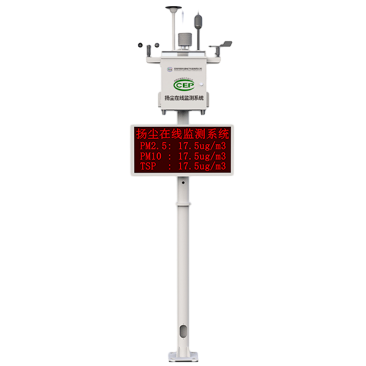
Dust monitoring systems are essential tools for assessing air quality in various environments, ranging from industrial sites to urban areas. These systems provide critical data on particulate matter (PM), allowing organizations to track pollution levels and implement effective management strategies. By integrating dust monitoring systems with smart technologies, we can enhance data accuracy, improve real-time reporting, and facilitate proactive responses to air quality issues.
2. The Importance of Air Quality Monitoring
The significance of air quality monitoring cannot be overstated. With the rise of industrial activities and urbanization, air pollution has become a pressing concern worldwide. Dust, as a major contributor to air pollution, poses serious health risks and environmental challenges.
2.1 Health Impacts of Dust Pollution
Exposure to dust can lead to a myriad of health issues, including respiratory diseases, cardiovascular problems, and allergies. Communities located near industrial areas or construction sites are particularly vulnerable. Monitoring dust levels allows for timely interventions, protecting public health and enhancing community well-being.
2.2 Economic Benefits of Effective Monitoring
Investing in dust monitoring systems can yield significant economic benefits. By maintaining compliance with air quality regulations, businesses can avoid costly penalties and ensure smoother operations. Furthermore, enhanced air quality can lead to improved worker productivity and reduced healthcare costs associated with pollution-related illnesses.
3. Overview of Smart Technologies in Environmental Monitoring
Smart technologies are revolutionizing the way we approach environmental monitoring. These innovations enable more efficient data collection, analysis, and reporting processes, ultimately leading to better decision-making.
3.1 Internet of Things (IoT) in Air Quality Monitoring
The Internet of Things (IoT) plays a pivotal role in modern dust monitoring systems. IoT-enabled sensors can continuously collect data on particulate matter levels, transmitting this information to centralized platforms for analysis. This real-time data flow enhances situational awareness and enables rapid responses to changing conditions.
3.2 Artificial Intelligence (AI) and Data Analysis
Artificial Intelligence (AI) enhances the capabilities of dust monitoring systems by facilitating advanced data analytics. AI algorithms can identify patterns and anomalies in air quality data, predicting pollution spikes and enabling proactive measures. This predictive approach not only improves air quality management but also supports long-term strategic planning.
4. Integration Techniques for Dust Monitoring and Smart Technologies
Integrating dust monitoring systems with smart technologies involves several key techniques that enhance functionality and effectiveness.
4.1 Data Collection and Transmission
The first step in integration is ensuring seamless data collection and transmission. Utilizing wireless communication protocols, such as LoRaWAN or MQTT, allows for the efficient transfer of data from sensors to cloud-based platforms. This ensures that stakeholders have access to the most recent air quality information.
4.2 Real-Time Monitoring and Alerts
Real-time monitoring is a critical feature of integrated systems. By setting up automated alerts for exceedances of predefined dust thresholds, organizations can take immediate action to mitigate risks. This might involve adjusting operational procedures, implementing dust suppression techniques, or communicating with local authorities.
5. Case Studies: Successful Integrations in Different Sectors
Examining successful case studies offers valuable insights into the practical application of integrated dust monitoring systems.
5.1 Industrial Applications
In the industrial sector, companies have adopted integrated monitoring systems to comply with environmental regulations while ensuring worker safety. For example, a manufacturing plant installed IoT sensors and AI analytics to monitor dust levels in real time, leading to significant reductions in exceedances and improved compliance reports.
5.2 Urban Environments
Cities around the world are implementing integrated dust monitoring systems to combat urban pollution. Smart sensor networks deployed throughout the city provide real-time data to city planners and the public, allowing for informed decisions about traffic management, construction activities, and public health advisories.
6. Future Trends in Dust Monitoring and Smart Technology Integration
Looking ahead, the integration of dust monitoring systems with smart technologies is expected to evolve further. Emerging trends include:
- **Increased Use of Edge Computing:** Processing data closer to the source will enhance response times and reduce latency.
- **Integration with Other Environmental Factors:** Combining dust monitoring with other environmental data (like temperature and humidity) will create a more holistic understanding of air quality.
- **Greater Public Engagement:** Mobile apps and platforms that provide real-time air quality updates will empower individuals to make informed choices about their health and environment.
7. Frequently Asked Questions (FAQs)
1. What are dust monitoring systems?
Dust monitoring systems are devices that measure and report levels of particulate matter (dust) in the air to assess air quality.
2. How do smart technologies enhance dust monitoring?
Smart technologies, such as IoT and AI, improve dust monitoring by enabling real-time data collection, analysis, and reporting, leading to better decision-making.
3. What health risks are associated with dust exposure?
Dust exposure can lead to respiratory diseases, cardiovascular issues, and other health problems, particularly in vulnerable populations.
4. How can organizations benefit economically from dust monitoring systems?
Effective dust monitoring can prevent regulatory penalties, enhance worker productivity, and reduce healthcare costs related to pollution-related illnesses.
5. What future trends should we expect in dust monitoring technology?
Future trends include increased use of edge computing, integration with other environmental factors, and greater public engagement through mobile applications.
8. Conclusion
Integrating dust online monitoring systems with smart technologies represents a significant advancement in environmental monitoring. By leveraging IoT and AI, organizations can enhance air quality management, protect public health, and improve operational efficiency. As we move towards a future where air quality is a top priority, the adoption of such integrated systems will be crucial in creating healthier, safer environments for all. Embracing these technologies not only addresses immediate air quality concerns but also paves the way for sustainable practices that benefit future generations.
Related Info





WhatsApp: