






















Understanding Single Gas Detectors: Essential Tools for Environmental Monitoring
2026-10-10
In the realm of environmental monitoring, single gas detectors play a crucial role in ensuring safety and health standards. These devices are specifically designed to detect the presence of one particular gas in the atmosphere, making them invaluable in a variety of applications from industrial settings to confined spaces. Understanding their functionality, advantages, and operational requirements can significantly enhance their effectiveness in safeguarding personnel and the environment.
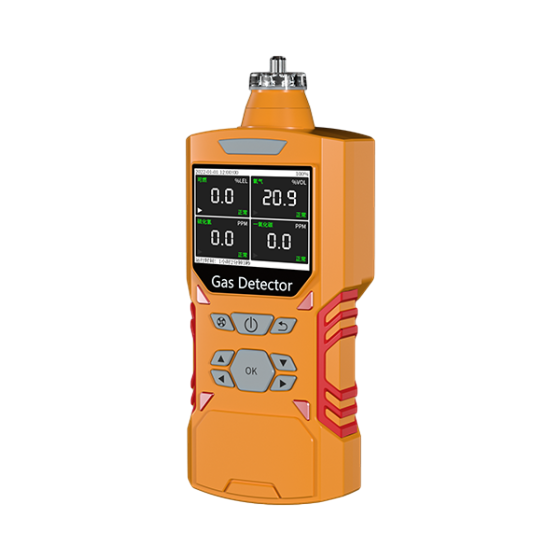
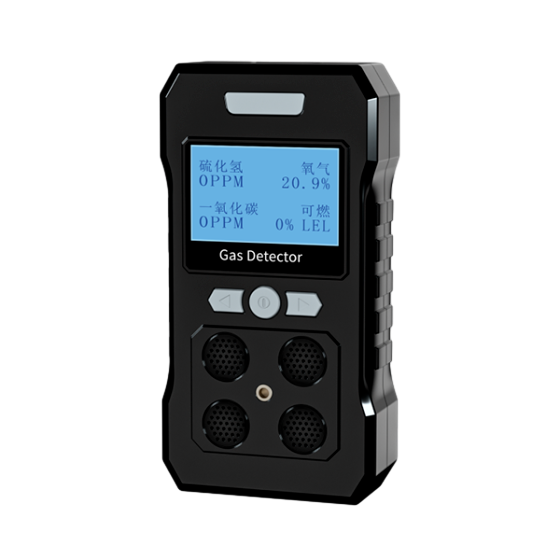
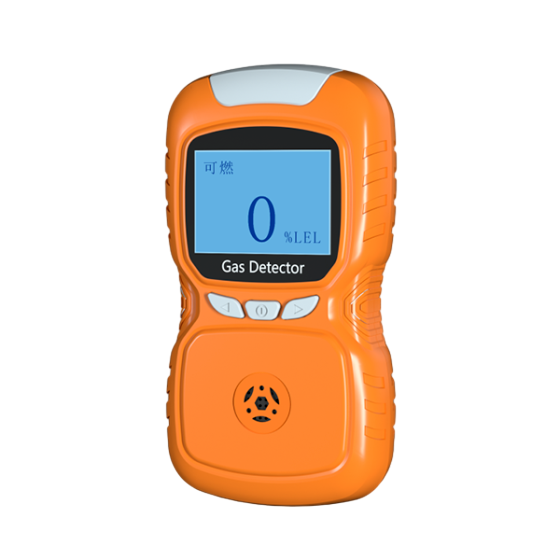
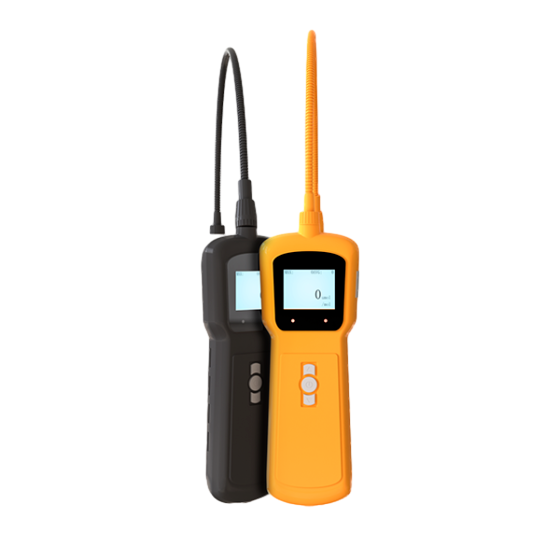
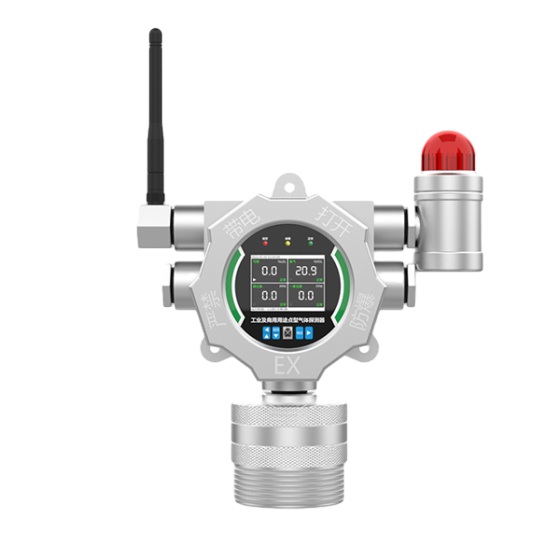
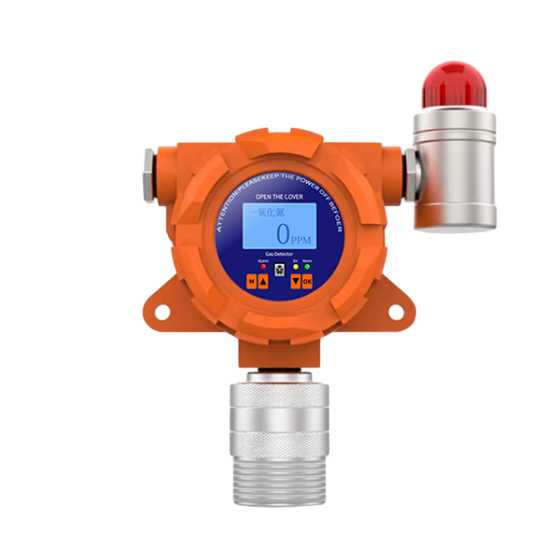
A single gas detector typically works by employing sensors that respond to the presence of specific gases, such as carbon monoxide, hydrogen sulfide, or oxygen. When the concentration of the targeted gas reaches a predetermined threshold, the detector triggers an alarm, alerting users to potential hazards. This immediate feedback is vital in preventing dangerous situations, as many gases are toxic or can lead to explosive atmospheres.
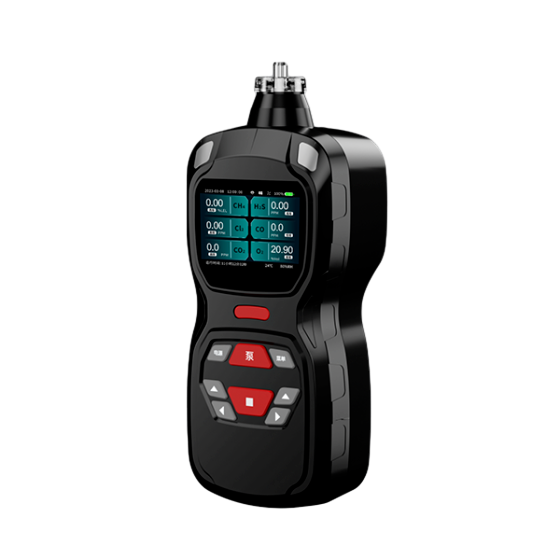
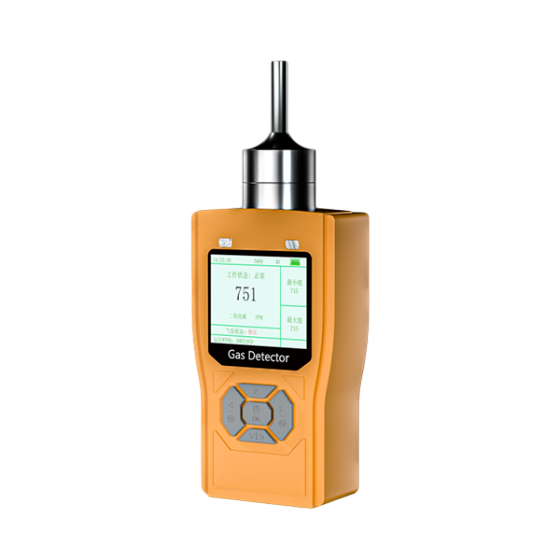
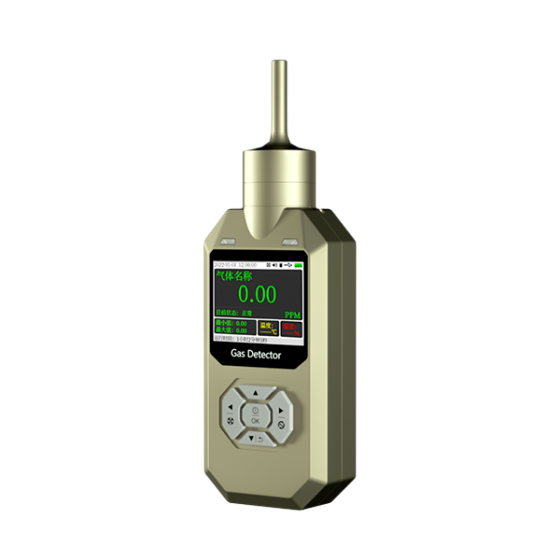
One of the primary advantages of using single gas detectors is their simplicity and ease of use. These devices are often portable, lightweight, and battery-operated, allowing for convenient deployment in various locations. This portability is particularly beneficial for workers who may need to move between different areas or require immediate gas detection in emergency situations. Additionally, single gas detectors are generally more cost-effective than multi-gas detectors, making them an attractive option for smaller operations that may not require monitoring multiple gases simultaneously.
When selecting a single gas detector, several critical factors should be considered. First, it's essential to choose a detector that is specifically calibrated for the gas of concern, as different gases have unique detection characteristics. Additionally, factors such as the detector's response time, battery life, and durability in harsh environments can significantly influence its performance. Regular calibration and maintenance are also necessary to ensure that the device operates accurately over time.
Another essential aspect is training for personnel who will be using the single gas detectors. Proper training ensures that users understand how to operate the device effectively, interpret the readings accurately, and respond to alarms appropriately. This training is crucial not only for individual safety but also for compliance with regulatory standards, as many industries are required to maintain specific safety protocols concerning gas detection.
In conclusion, single gas detectors are indispensable tools in the field of environmental monitoring. Their focused detection capabilities, user-friendly design, and portability make them ideal for various applications, particularly in ensuring safety in workplaces where hazardous gases may be present. By understanding their functionality and adhering to best practices for selection and training, organizations can significantly enhance their safety measures and ensure a healthier work environment.
A single gas detector typically works by employing sensors that respond to the presence of specific gases, such as carbon monoxide, hydrogen sulfide, or oxygen. When the concentration of the targeted gas reaches a predetermined threshold, the detector triggers an alarm, alerting users to potential hazards. This immediate feedback is vital in preventing dangerous situations, as many gases are toxic or can lead to explosive atmospheres.
One of the primary advantages of using single gas detectors is their simplicity and ease of use. These devices are often portable, lightweight, and battery-operated, allowing for convenient deployment in various locations. This portability is particularly beneficial for workers who may need to move between different areas or require immediate gas detection in emergency situations. Additionally, single gas detectors are generally more cost-effective than multi-gas detectors, making them an attractive option for smaller operations that may not require monitoring multiple gases simultaneously.
When selecting a single gas detector, several critical factors should be considered. First, it's essential to choose a detector that is specifically calibrated for the gas of concern, as different gases have unique detection characteristics. Additionally, factors such as the detector's response time, battery life, and durability in harsh environments can significantly influence its performance. Regular calibration and maintenance are also necessary to ensure that the device operates accurately over time.
Another essential aspect is training for personnel who will be using the single gas detectors. Proper training ensures that users understand how to operate the device effectively, interpret the readings accurately, and respond to alarms appropriately. This training is crucial not only for individual safety but also for compliance with regulatory standards, as many industries are required to maintain specific safety protocols concerning gas detection.
In conclusion, single gas detectors are indispensable tools in the field of environmental monitoring. Their focused detection capabilities, user-friendly design, and portability make them ideal for various applications, particularly in ensuring safety in workplaces where hazardous gases may be present. By understanding their functionality and adhering to best practices for selection and training, organizations can significantly enhance their safety measures and ensure a healthier work environment.
Related Info

Combustible gas alarm maintenance
2020-07-03

2021-01-14






WhatsApp: