










Understanding Negative Ion Detectors: Essential Tools for Environmental Monitoring
2026-08-31
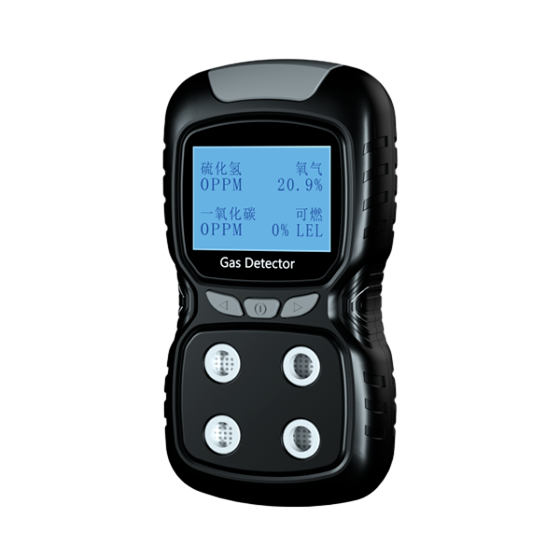
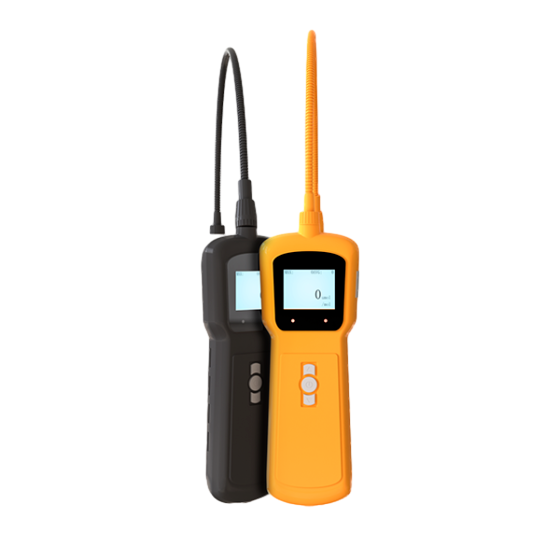
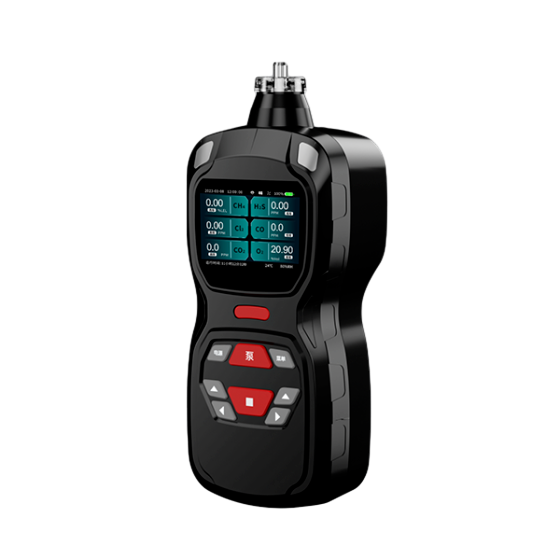
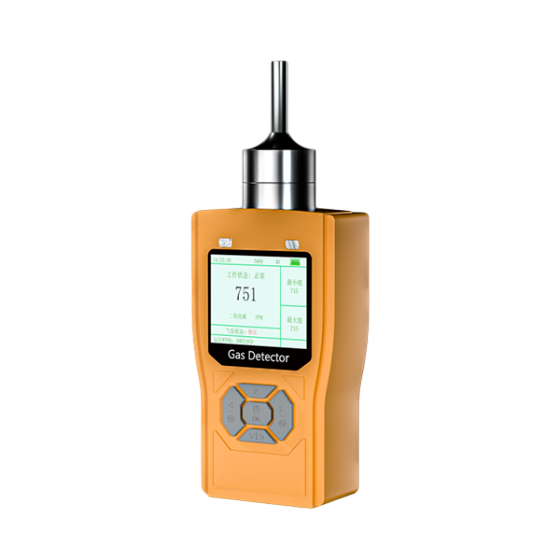
Negative ion detectors are specialized instruments designed to measure the concentration of negatively charged ions in the air. These ions, often referred to as "negative ions," are believed to have various health benefits, including promoting a sense of well-being and improving air quality. Understanding the role of negative ion detectors can provide valuable insights into environmental conditions, especially in indoor settings.
Negative ions are naturally occurring particles found in high concentrations near waterfalls, beaches, and during thunderstorms. They are known to purify the air by attaching to airborne pollutants, such as dust, pollen, and smoke, thus helping to neutralize them. This process can lead to fresher and cleaner air, making the measurement of negative ions particularly relevant in environments where air quality is a concern.
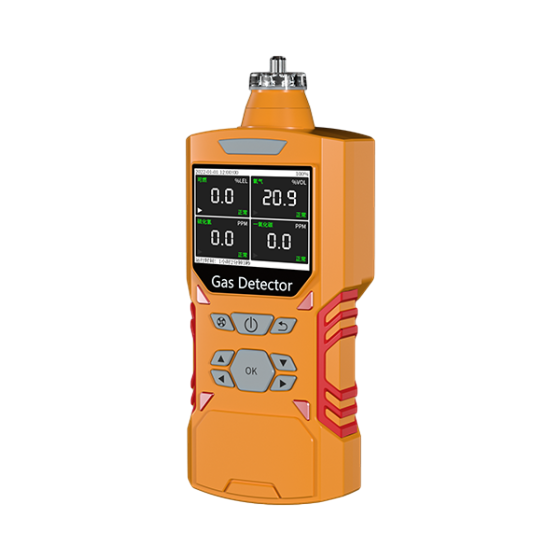
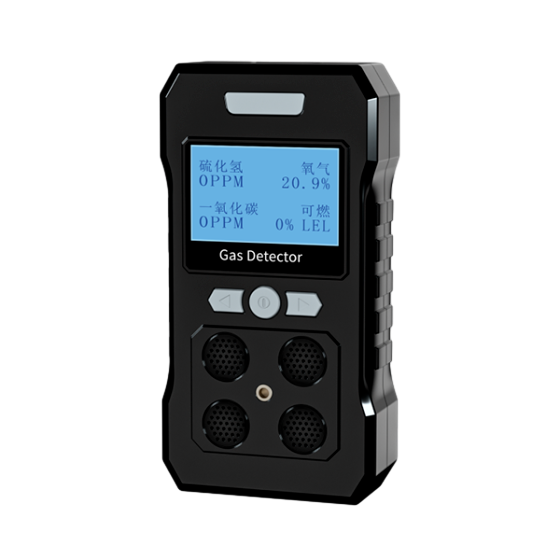
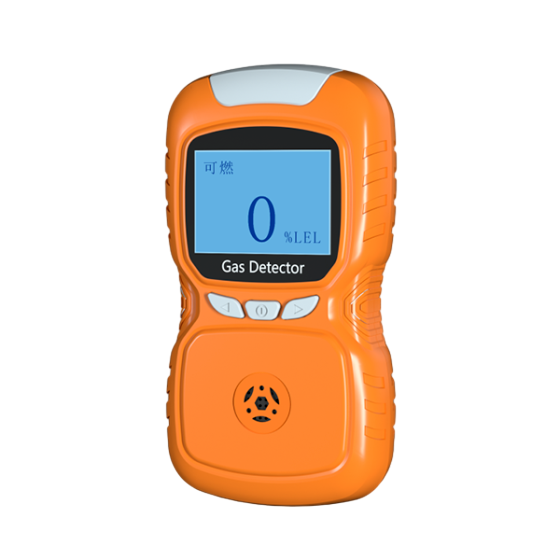
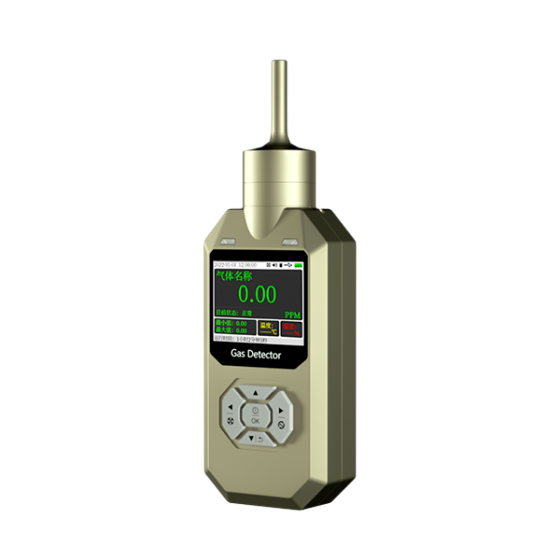
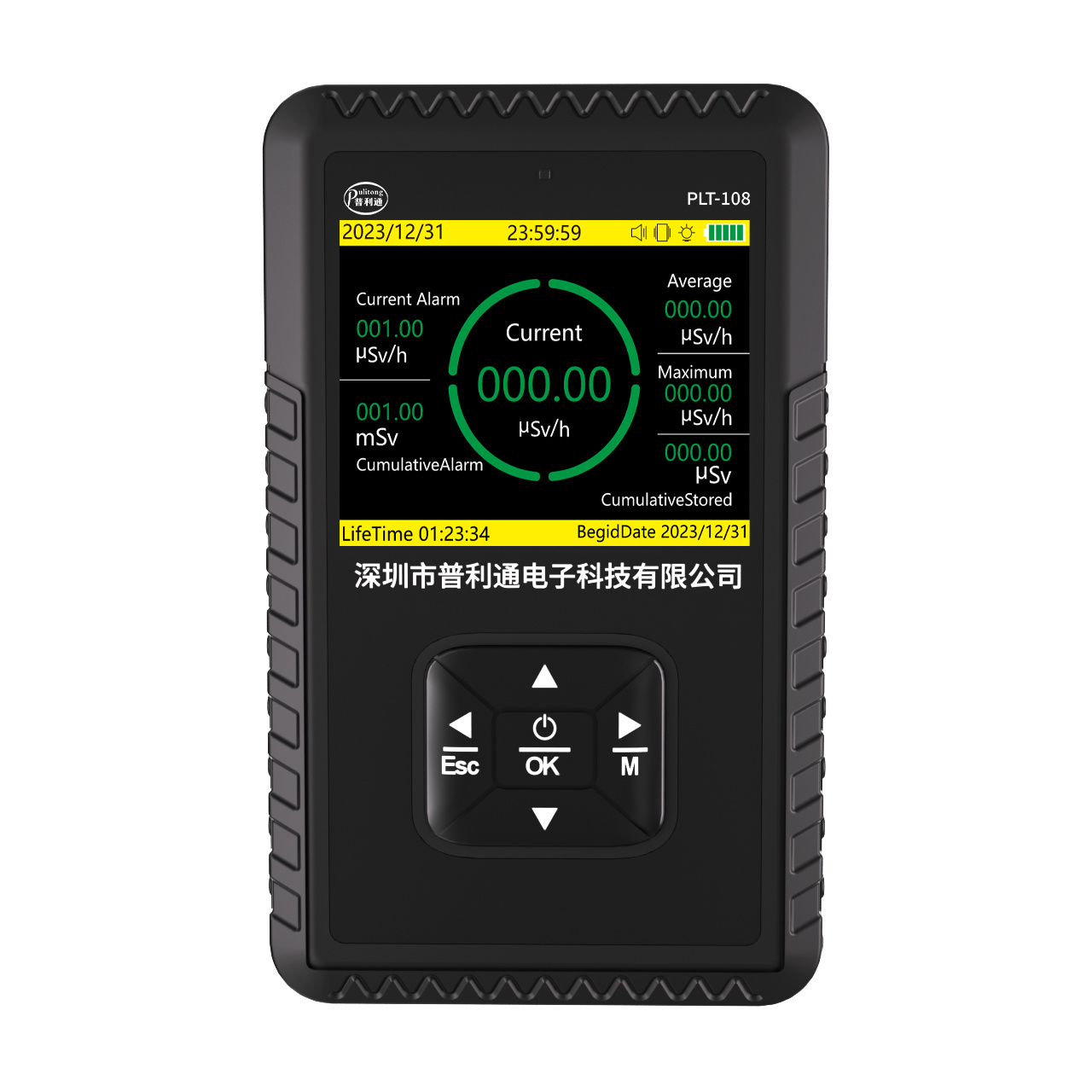
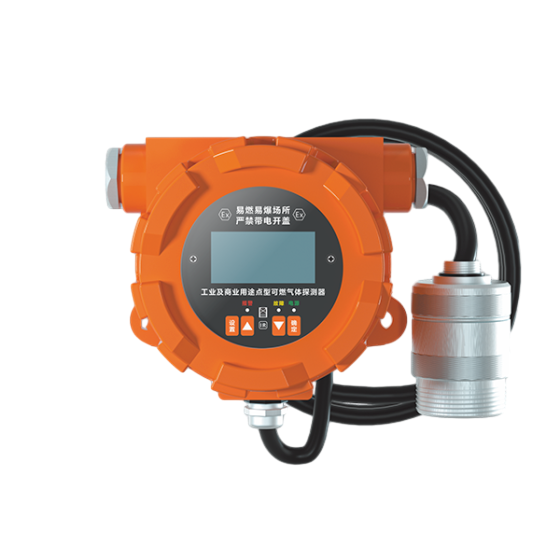
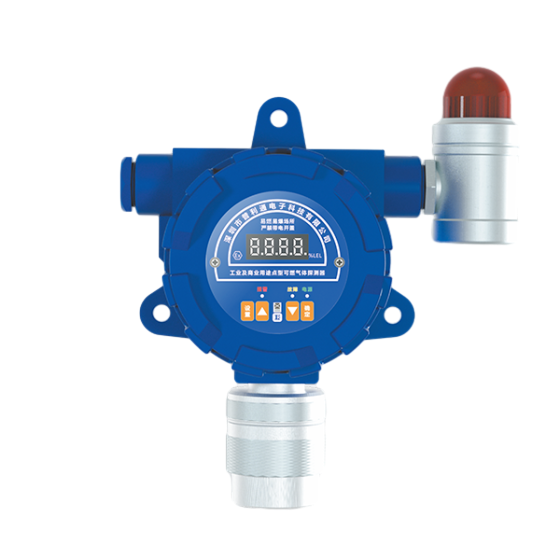
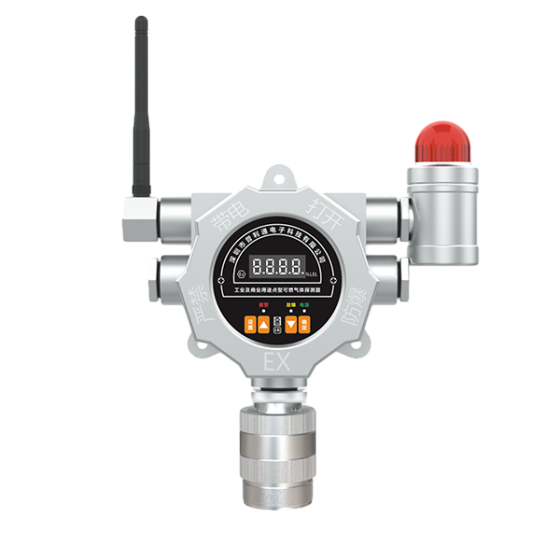
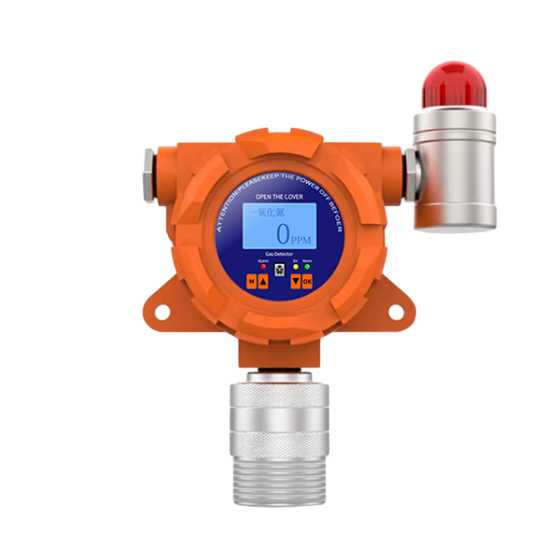
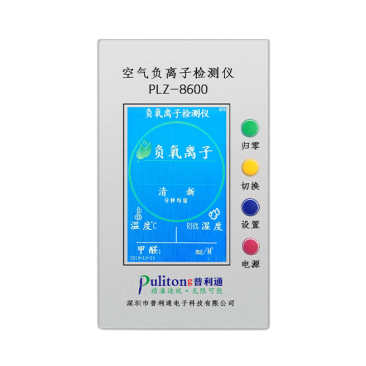
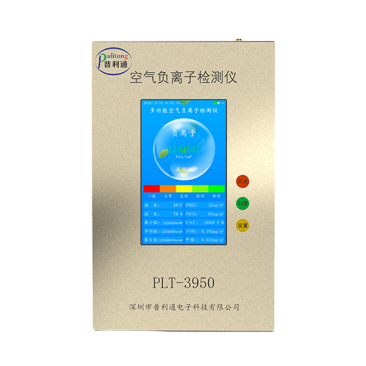
A negative ion detector operates by utilizing specific sensors that can identify and quantify the concentration of negative ions in the air. The device typically displays readings in ions per cubic centimeter (ions/cm³), providing an immediate assessment of the ion levels present in a given environment. This information can be crucial for various applications, ranging from residential air quality assessments to industrial monitoring.
In residential settings, negative ion detectors can help individuals understand the air quality of their living spaces. High levels of negative ions may indicate a healthier indoor environment, while low levels could suggest the presence of pollutants or insufficient ventilation. As people become more aware of indoor air quality, having a negative ion detector can aid in making informed decisions about air purification solutions.
In commercial and industrial contexts, negative ion detectors can play a vital role in ensuring a safe and healthy workplace. For example, in environments where people are exposed to potential airborne contaminants, continuous monitoring of negative ion levels can provide insights into the effectiveness of ventilation systems and air purification measures. This proactive approach can help mitigate health risks associated with poor air quality.
Moreover, research has suggested that exposure to negative ions may improve mood and reduce stress, although scientific opinions on this matter vary. Consequently, for those interested in promoting overall well-being, investing in a negative ion detector may be a step towards creating a more comfortable and health-conscious environment.
In summary, negative ion detectors are essential tools for assessing air quality and understanding the presence of beneficial negative ions in various environments. Whether for personal use or in industrial applications, these instruments can provide valuable data that contribute to healthier living and working spaces. By measuring the concentration of negative ions, users can make informed decisions regarding air purification and contribute to a better quality of life.
Negative ions are naturally occurring particles found in high concentrations near waterfalls, beaches, and during thunderstorms. They are known to purify the air by attaching to airborne pollutants, such as dust, pollen, and smoke, thus helping to neutralize them. This process can lead to fresher and cleaner air, making the measurement of negative ions particularly relevant in environments where air quality is a concern.
A negative ion detector operates by utilizing specific sensors that can identify and quantify the concentration of negative ions in the air. The device typically displays readings in ions per cubic centimeter (ions/cm³), providing an immediate assessment of the ion levels present in a given environment. This information can be crucial for various applications, ranging from residential air quality assessments to industrial monitoring.
In residential settings, negative ion detectors can help individuals understand the air quality of their living spaces. High levels of negative ions may indicate a healthier indoor environment, while low levels could suggest the presence of pollutants or insufficient ventilation. As people become more aware of indoor air quality, having a negative ion detector can aid in making informed decisions about air purification solutions.
In commercial and industrial contexts, negative ion detectors can play a vital role in ensuring a safe and healthy workplace. For example, in environments where people are exposed to potential airborne contaminants, continuous monitoring of negative ion levels can provide insights into the effectiveness of ventilation systems and air purification measures. This proactive approach can help mitigate health risks associated with poor air quality.
Moreover, research has suggested that exposure to negative ions may improve mood and reduce stress, although scientific opinions on this matter vary. Consequently, for those interested in promoting overall well-being, investing in a negative ion detector may be a step towards creating a more comfortable and health-conscious environment.
In summary, negative ion detectors are essential tools for assessing air quality and understanding the presence of beneficial negative ions in various environments. Whether for personal use or in industrial applications, these instruments can provide valuable data that contribute to healthier living and working spaces. By measuring the concentration of negative ions, users can make informed decisions regarding air purification and contribute to a better quality of life.
Related Info






WhatsApp: