








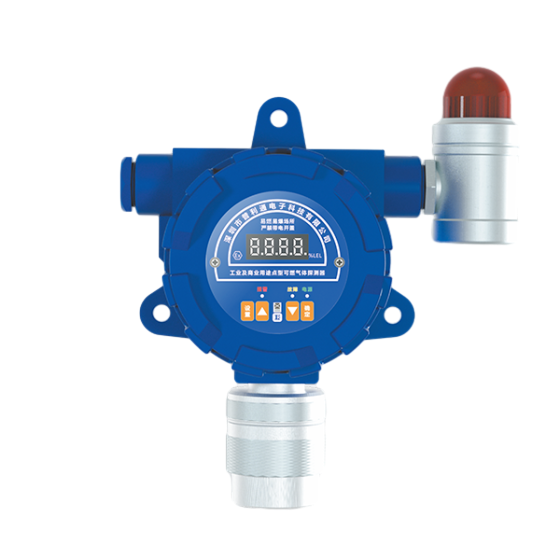
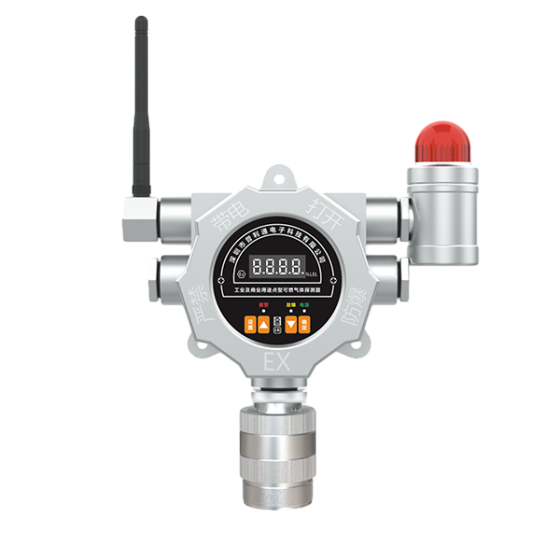
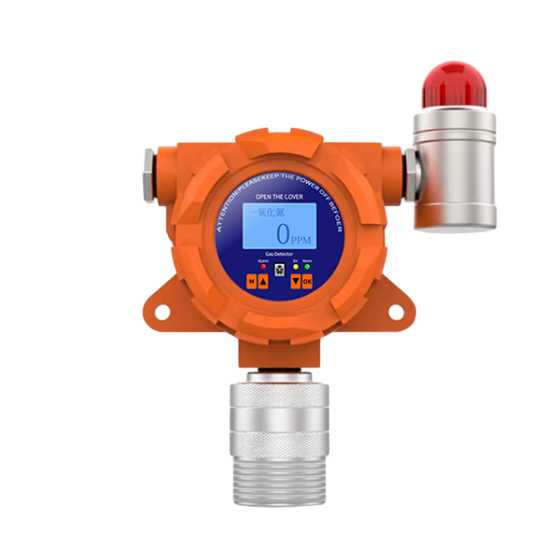




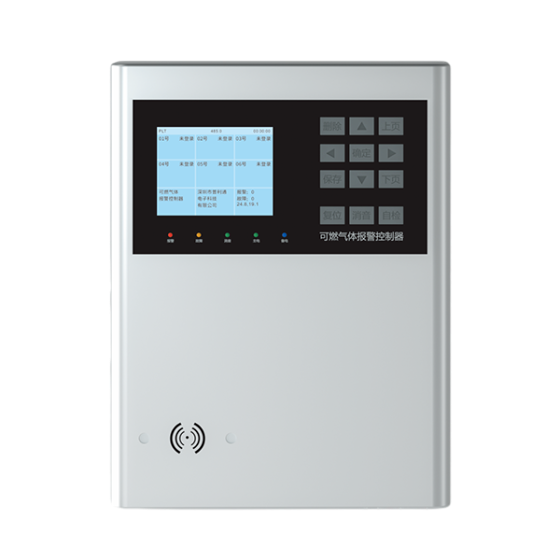
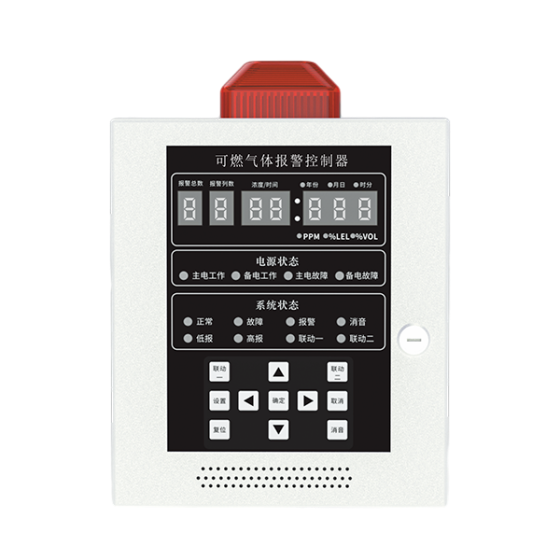
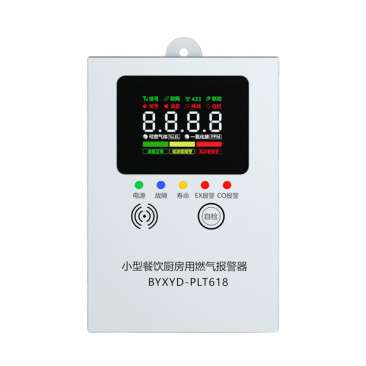
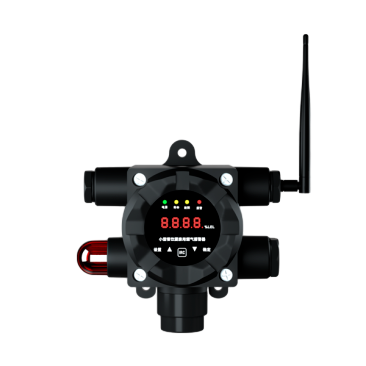

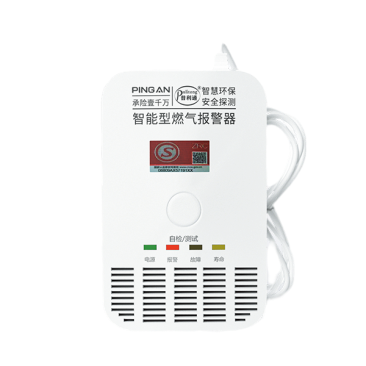
The Comprehensive Advantages of Wireless Gas Alarm Controllers: Ensuring Safety and Efficiency
2026-07-17
The Comprehensive Advantages of Wireless Gas Alarm Controllers
In today’s fast-paced world, ensuring safety in residential, commercial, and industrial environments is paramount. One of the critical components in safeguarding against hazardous gas leaks is the gas alarm system. **Wireless gas alarm controllers** have emerged as a more efficient and reliable solution compared to traditional wired systems. This article delves into the extensive benefits of wireless gas alarm controllers, providing a thorough understanding of their importance in modern safety protocols.
Table of Contents
- 1. Introduction to Wireless Gas Alarm Controllers
- 2. How Wireless Gas Alarm Controllers Work
- 3. Key Benefits of Wireless Gas Alarm Controllers
- 4. Installation Process of Wireless Gas Alarm Controllers
- 5. Maintenance of Wireless Gas Alarm Controllers
- 6. Comparison with Traditional Gas Alarm Systems
- 7. Real-World Applications and Case Studies
- 8. Frequently Asked Questions
- 9. Conclusion
1. Introduction to Wireless Gas Alarm Controllers
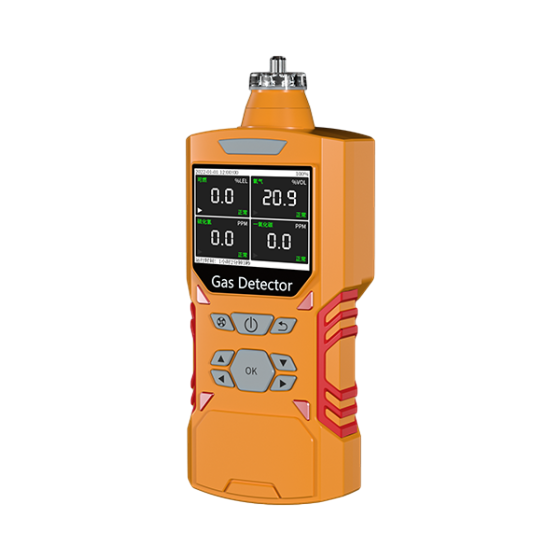
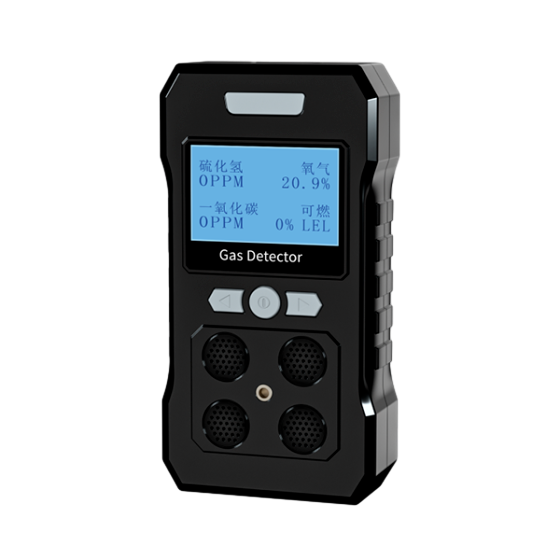
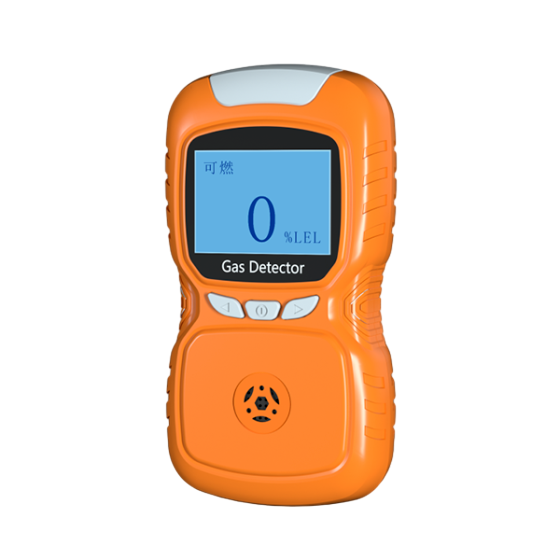
Wireless gas alarm controllers are advanced devices designed to detect the presence of hazardous gases, such as carbon monoxide, methane, and propane, in the environment. Unlike conventional alarm systems that require extensive wiring, these controllers utilize radio frequency signals to communicate with a central monitoring unit or directly with users through mobile applications. This wireless technology not only simplifies the installation process but also enhances the system's flexibility and reliability.
2. How Wireless Gas Alarm Controllers Work
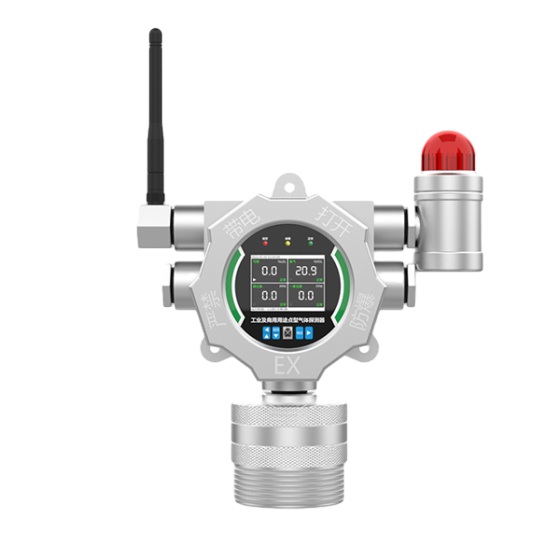
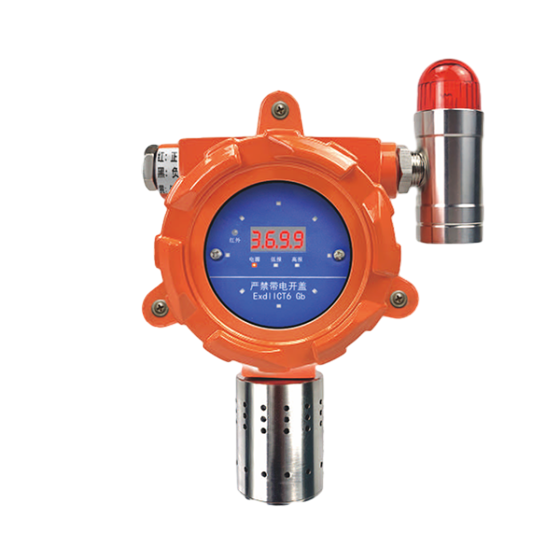
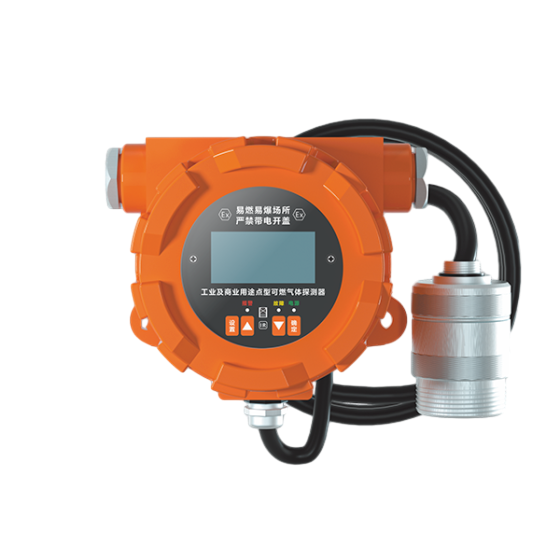
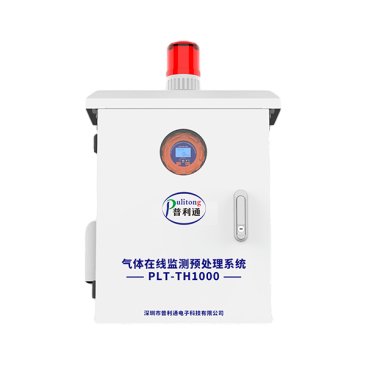
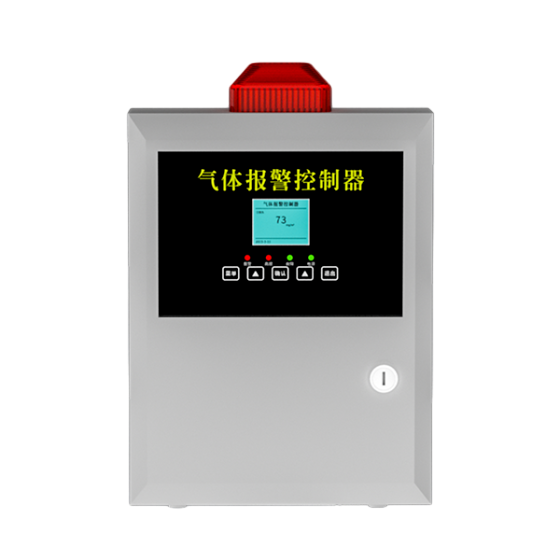
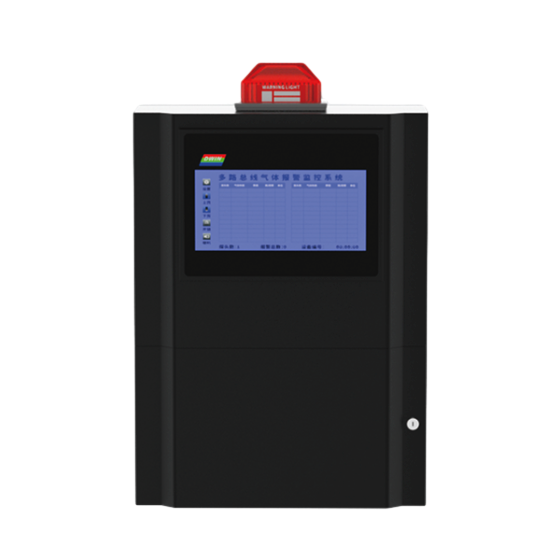
Wireless gas alarm controllers consist of several components, including sensors, a main control unit, and communication modules. The sensors continuously monitor the air for specific gas concentrations. When a gas leak is detected, the sensor sends an alert signal to the control unit through radio waves. The control unit then triggers an alarm, activating warning lights and notifying users via a mobile app or other connected devices.
The use of battery-operated sensors allows for greater placement flexibility, while the central control unit can be located away from the monitored areas, reducing the risk of damage during emergencies. This operational mechanism ensures rapid detection and response to gas leaks, which is crucial for preventing accidents.
3. Key Benefits of Wireless Gas Alarm Controllers
3.1 Enhanced Safety Features
The primary advantage of wireless gas alarm controllers is their enhanced safety features. These devices can detect multiple types of gases, providing comprehensive coverage. With advanced sensitivity settings, they can identify even trace amounts of hazardous gases, ensuring timely alerts and prompt action.
3.2 Easy Installation and Flexibility
The installation process for wireless gas alarm controllers is simplified compared to traditional systems. Without the need for extensive wiring, installation can be completed quickly, minimizing downtime. Additionally, these systems offer placement flexibility, allowing users to install sensors in optimal locations for maximum effectiveness.
3.3 Cost-Effectiveness
Wireless gas alarm controllers can significantly reduce installation and maintenance costs. The absence of wiring means lower labor costs and less disruption during installation. Furthermore, these systems generally require less frequent maintenance, translating to additional long-term savings.
3.4 Remote Monitoring Capabilities
Most wireless gas alarm controllers come equipped with mobile applications that allow users to monitor gas levels remotely. This capability enables users to receive real-time alerts and status updates, even when they are away from the premises. This feature is particularly beneficial for businesses managing multiple locations or homeowners with vacation properties.
3.5 Integration with Smart Home Systems
As part of the growing smart home trend, many wireless gas alarm controllers can integrate seamlessly with other smart devices. This integration enhances overall safety and convenience, allowing users to control and monitor their environment from a single platform.
4. Installation Process of Wireless Gas Alarm Controllers
Installing a wireless gas alarm controller involves several steps:
4.1 Site Assessment
Conduct a thorough assessment of the premises to identify potential gas leak sources and determine optimal sensor placement. Areas such as kitchens, basements, and near gas appliances are critical locations to monitor.
4.2 Selecting Appropriate Equipment
Choose a wireless gas alarm controller that meets your specific needs, considering factors such as the types of gases to be detected, coverage area, and additional features like mobile connectivity.
4.3 Mounting Sensors
Follow the manufacturer’s guidelines for mounting sensors in the identified locations. Ensure that sensors are positioned at the correct height for effective gas detection.
4.4 Connecting the Control Unit
Set up the main control unit in a central location and connect it to the power source. Ensure that it is easily accessible for manual operation, if necessary.
4.5 Testing the System
After installation, conduct comprehensive testing. Simulate gas leaks to ensure that the system responds correctly, and verify that alerts are sent to the appropriate users.
5. Maintenance of Wireless Gas Alarm Controllers
Regular maintenance is essential to ensure the continued effectiveness of wireless gas alarm controllers. Here are some key maintenance tips:
5.1 Regular Testing
Conduct routine tests of the system to confirm that sensors and alarms are functioning correctly. Most manufacturers recommend testing the system at least once a month.
5.2 Battery Replacement
Check and replace the batteries in the wireless sensors periodically. Many units will signal low battery status, but it’s wise to establish a regular replacement schedule.
5.3 Cleaning Sensors
Dust and debris can interfere with sensor performance. Clean the sensors periodically according to the manufacturer's instructions to ensure optimal detection capabilities.
5.4 Software Updates
If your wireless gas alarm controller includes software or firmware, keep it updated to benefit from the latest enhancements and security features.
6. Comparison with Traditional Gas Alarm Systems
Wireless gas alarm controllers offer numerous advantages over traditional wired systems:
6.1 Installation Ease
Wired systems require extensive installation efforts, often needing professional electricians. Wireless systems eliminate the need for complex wiring, making them easier and faster to install.
6.2 Reliability
Wireless systems are less susceptible to damage from environmental factors, as there are no exposed wires that can be cut or damaged. This reliability is crucial during emergencies when every second counts.
6.3 Flexibility in Placement
Traditional systems often necessitate specific placements due to wiring constraints. Wireless controllers, on the other hand, can be strategically placed to optimize safety.
6.4 Lower Long-Term Costs
The reduced installation time and maintenance requirements associated with wireless systems lead to lower long-term costs compared to traditional systems.
7. Real-World Applications and Case Studies
Numerous industries benefit from the implementation of wireless gas alarm controllers:
7.1 Residential Safety
Homeowners installing wireless gas alarm controllers have reported a significant reduction in gas leak incidents. These systems allow families to remain informed of potential dangers, enhancing overall safety at home.
7.2 Commercial Applications
Restaurants and cafés employing wireless gas alarm systems have improved safety measures in kitchens, where gas appliances are prevalent. The ability to receive alerts remotely has proven invaluable for business owners managing multiple locations.
7.3 Industrial Environments
Manufacturing facilities that handle volatile substances have adopted wireless gas alarm controllers to monitor air quality continuously. The quick response capabilities of these systems help prevent catastrophic incidents and ensure regulatory compliance.
8. Frequently Asked Questions
8.1 What types of gases can wireless gas alarm controllers detect?
Wireless gas alarm controllers can detect various gases, including carbon monoxide, methane, propane, and hydrogen sulfide.
8.2 How often should I test my wireless gas alarm system?
It is recommended to test your system at least once a month to ensure all components are functioning correctly.
8.3 Can I install a wireless gas alarm system myself?
Yes, the installation process is relatively straightforward and can often be completed without professional assistance, although a site assessment is advised.
8.4 What should I do if the alarm goes off?
If the alarm sounds, evacuate the premises immediately and contact emergency services. Do not return until authorities have confirmed it is safe.
8.5 How long do the batteries last in wireless gas alarm sensors?
Battery life varies by model, but most wireless sensors have batteries that last from 6 months to 2 years, depending on usage and manufacturer specifications.
9. Conclusion
Investing in **wireless gas alarm controllers** is a proactive step toward ensuring safety in various environments. Their enhanced safety features, ease of installation, cost-effectiveness, and ability to integrate with smart home technologies make them a superior choice compared to traditional systems. As awareness of safety measures continues to grow, adopting wireless technology in gas leak prevention is not just a trend but a necessity. By prioritizing the implementation of these systems, we can create safer living and working spaces for everyone.
Related Info







WhatsApp: