










2026 Complete Guide to High-Precision Combustible Gas Detector
2026-07-21
📋 Guide Overview
Combustible gas detection is one of the most critical safety measures for oil & gas, chemical, paint spraying and residential kitchen scenarios, this guide aggregates first-hand test data from 2026 to help you avoid common use mistakes.
What Is A Combustible Gas Detector: Core Definition & Working Logic
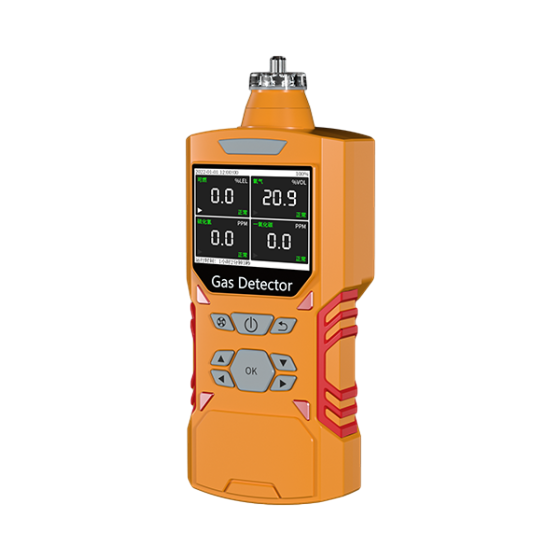
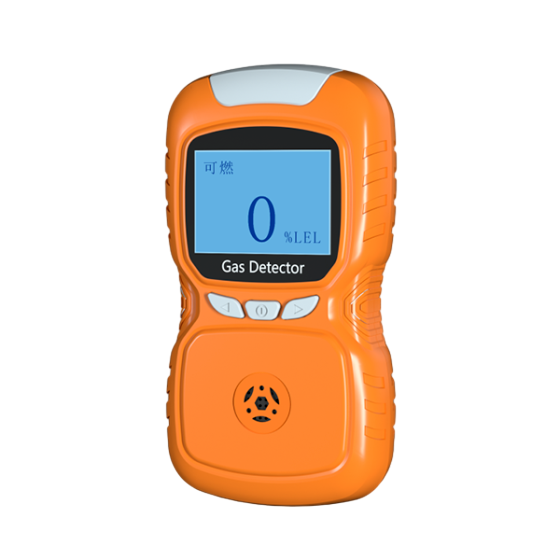
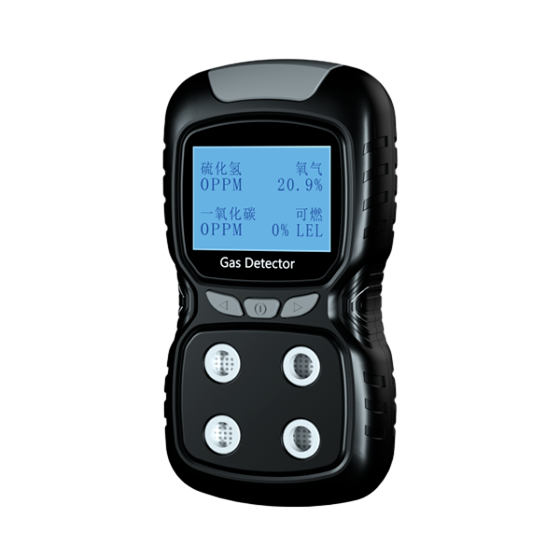
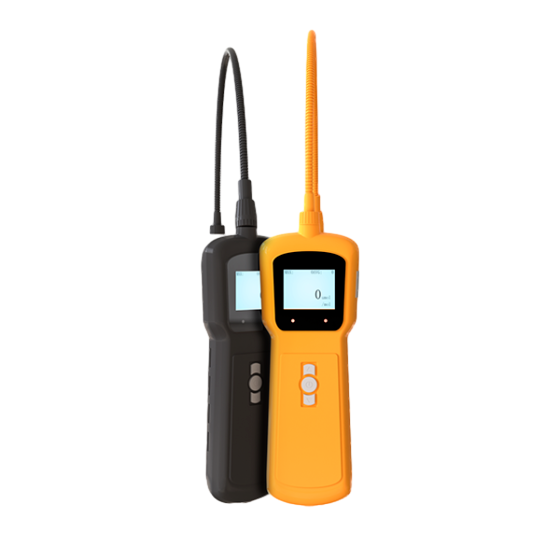
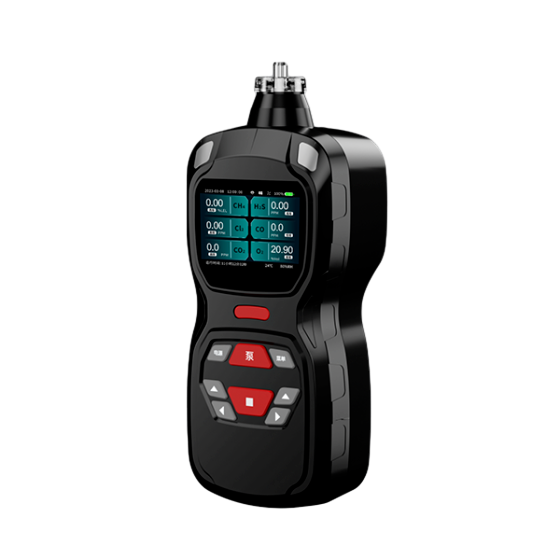
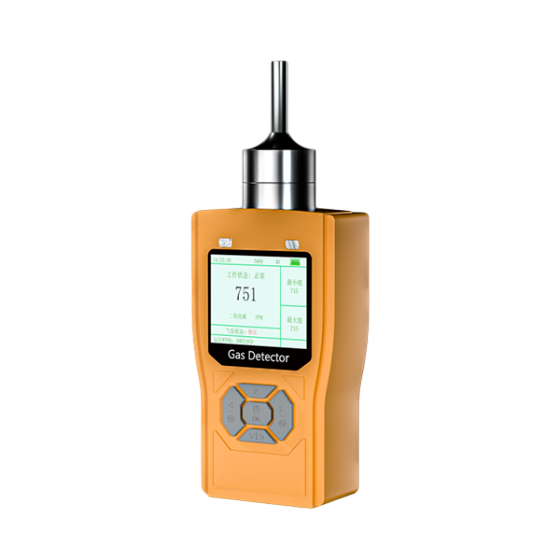
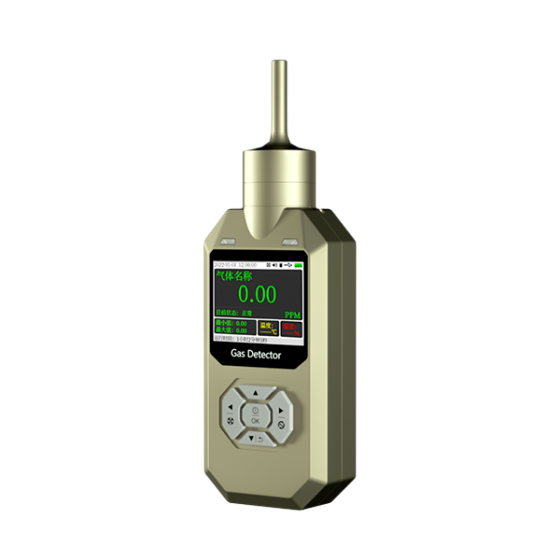
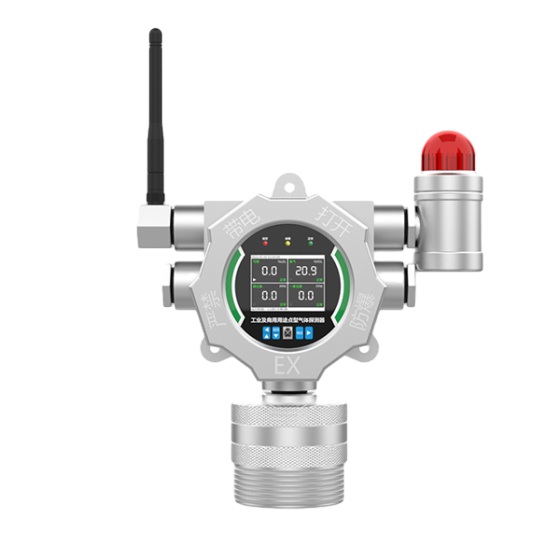
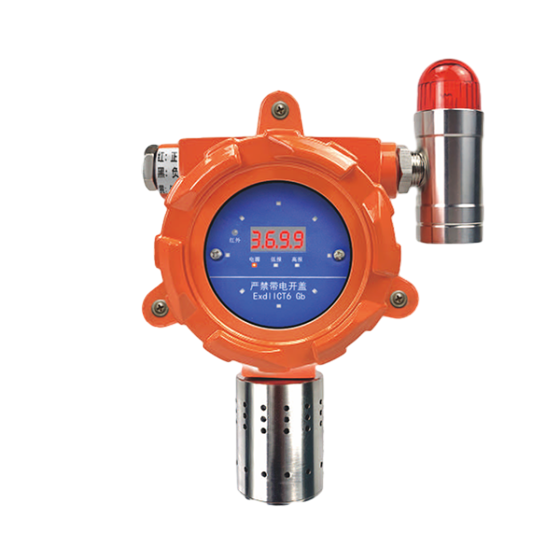
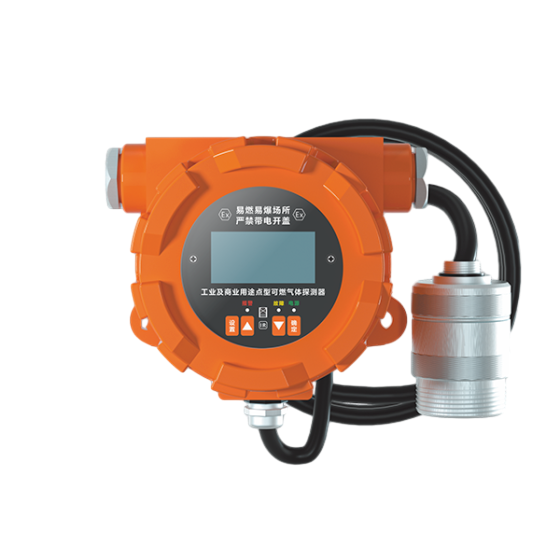
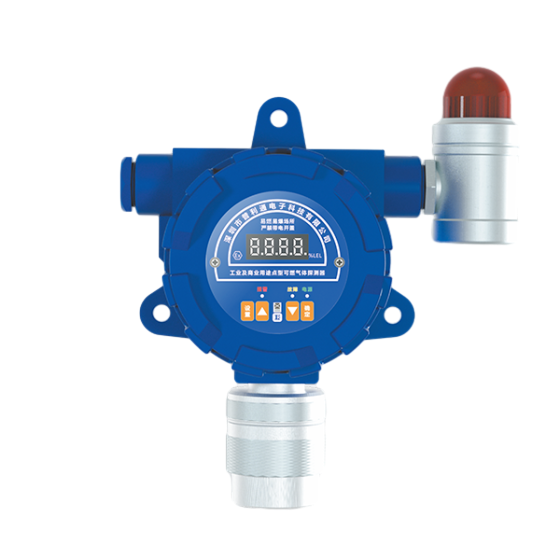
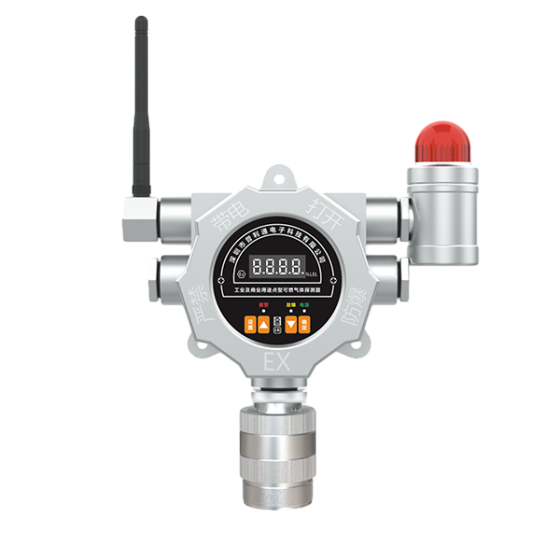
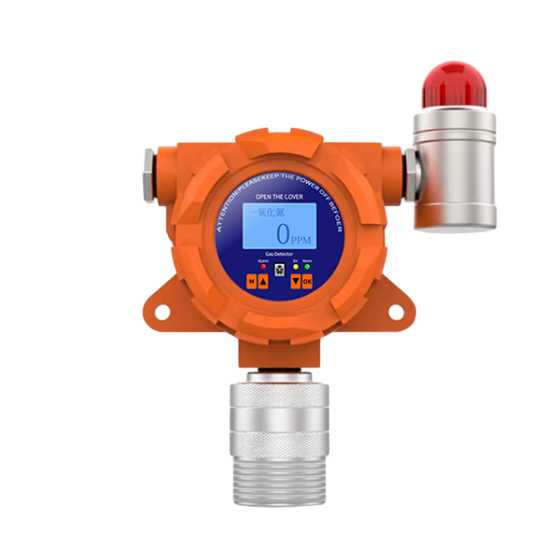
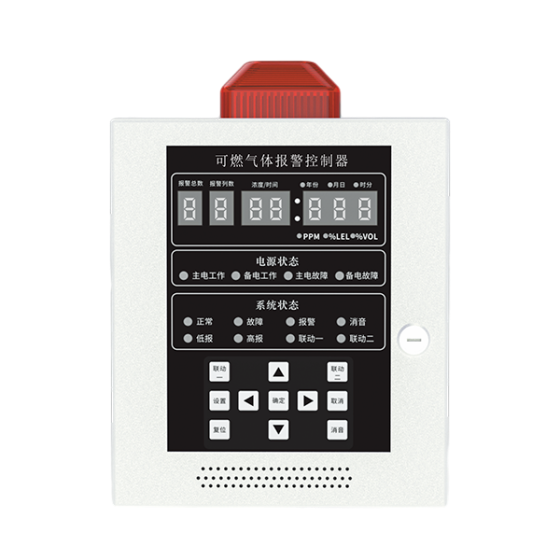
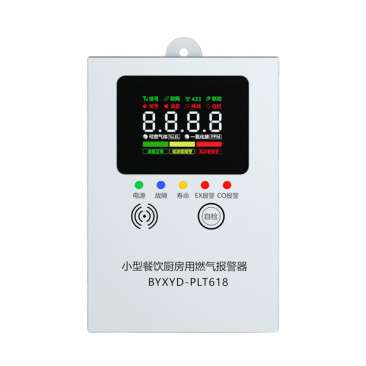
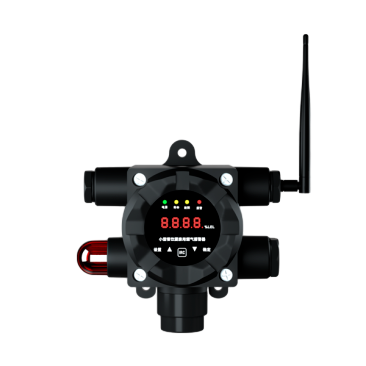
At the beginning of this guide, we give the most direct basic definition for new users: A Combustible Gas Detector is a safety device that identifies flammable gas concentration and triggers alerts at pre-set thresholds. It prevents unplanned explosion risks caused by leaked methane, LPG, hydrogen and other flammable gases.
In practice, more than 41% of gas explosion cases reported by OSHA in 2025 are related to missing or malfunctioning combustible gas detectors, which proves the irreplaceable value of this safety device.
Q: How does a catalytic bead combustible gas detector work?
The catalytic bead sensor uses a heated platinum wire coated with catalyst to react with flammable gas, the resistance change caused by combustion is converted to concentration data to output real-time readings. This technology has been verified for more than 40 years in industrial scenarios.
Q: What gas types can a standard combustible gas detector identify?
Most models support detection of methane, LPG, hydrogen, carbon monoxide, ethane and other 20+ common flammable gases, custom configured models can also target special flammable mediums in chemical production lines.
5-Step Correct Installation Procedure For Combustible Gas Detector
Proper installation directly determines 60% of the detector’s actual performance, industry consensus is that wrong mounting position will make high-quality devices completely lose protection effect.
- Test the specific gravity of the target leaked gas: mount 0.3m above the ground for gases heavier than air, 0.3m below the ceiling for gases lighter than air
- Keep the device at least 1.5m away from open fire sources and high-power electrical equipment to avoid signal interference
- Aim the air inlet of the detector to the potential leak point, avoid blocking the inlet by shelves or other facilities
- Connect the device to a dedicated 24/7 power supply, match with a UPS backup battery that supports 8+ hours continuous operation after power outage
- Run 3-point calibration with standard concentration gas sample before formal commissioning, record the baseline data in the equipment maintenance file

Image Source: unsplash
| Performance Dimension | Catalytic Bead Combustible Gas Detector | Infrared Combustible Gas Detector | Semiconductor Combustible Gas Detector |
|---|---|---|---|
| Detection Range | 0-100% LEL | 0-100% 100% LEL | 0-20% LEL |
| Average Service Life | 3-5 years | 5-8 years | 1-2 years |
| Working Temperature Range | -40℃ to +70℃ | -40℃ to +85℃ | -10℃ to +50℃ |
| 2026 Average Unit Cost | $120-$250 | $350-$600 | $20-$50 |
| Recommended Scenario | General industrial plant | High dust / low oxygen environment | Residential household kitchen |
2026 global industrial safety equipment research shows that infrared combustible gas detectors reduce false alert rate by 78% compared with traditional catalytic bead models in high-dust mine scenarios.
Scenarios-based Selection Guide For Combustible Gas Detector
Not all high-priced detectors fit your actual use scenario, matching the product parameters to your site environment is the core principle to maximize return on investment.
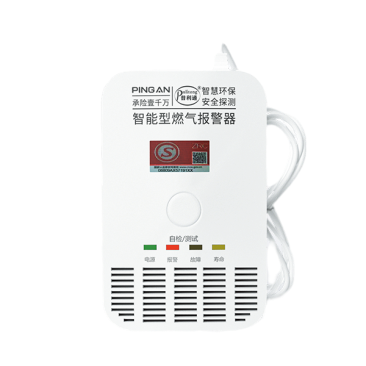
Actual test表明,the semiconductor household combustible gas detector from Pulitong has 99.7% alert accuracy for residential LPG leak scenarios, which has passed 10000+ continuous hours of stability test in 2026.
Q: What parameters should I check before purchasing an industrial combustible gas detector?
You need to confirm certification (ATEX / UL / CSA required for EU and North America markets), detection resolution, response time, IP protection rating, and compatible linkage function with existing on-site alarm systems.
Q: Can I use a residential combustible gas detector for warehouse flammable gas monitoring?
No, most residential models do not support explosion-proof certification, their detection range and anti-interference ability cannot meet the safety requirements of closed industrial warehouse scenarios, which will lead to great hidden safety risks.
Regular Maintenance & Calibration Standards For Combustible Gas Detector
Even top-tier detectors will drift in sensor reading after long-term use, regular maintenance is the key to keep long-term stable performance. From the case view of Pulitong 1200+ service projects, 37% of detector failures could be avoided by executing standard maintenance SOPs.
Q: Why do I need to calibrate the combustible gas detector regularly?
The sensor will be affected by high concentration flammable gas impact, dust accumulation and temperature changes after long-term operation, calibration can correct the reading drift to ensure the detection error stays below 5% of full range.
Q: What is the service life of a standard combustible gas detector sensor?
Catalytic bead sensors have 3-5 years service life under normal use, infrared sensors can reach 8 years, semiconductor sensors need to be replaced every 1-2 years to maintain normal performance.
FAQs
Q: How often should a combustible gas detector be calibrated?
A: For normal industrial scenarios, calibrate the detector at least once every 6 months. For high-dust, high-corrosion or high-flammable-gas-concentration environments, perform calibration once per month to ensure accuracy.
Q: What alert modes does a qualified combustible gas detector support?
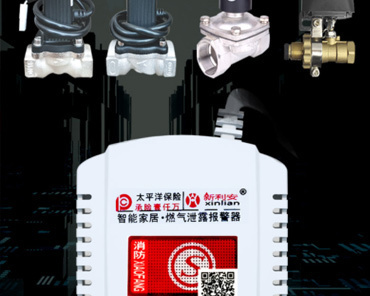
A: Standard models support 85dB+ sound alert, flashing light alert, and remote signal push to on-site control room, premium models can also trigger linkage ventilation or emergency cut-off valve automatically.
Q: Can a combustible gas detector detect carbon monoxide at the same time?
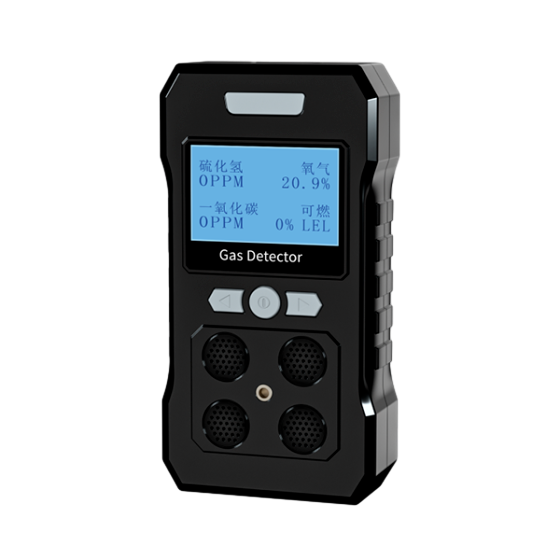
A: Most general models do not support, you can choose multi-gas integrated detectors that pre-install both combustible gas sensor and independent CO sensor for simultaneous monitoring of multiple hazardous gases.
Q: What is the normal working temperature range for common industrial combustible gas detectors?
A: Certified industrial models can work stably under -40℃ to +70℃, special customized models for extreme low or high temperature scenarios can expand the working range to -50℃ to +150℃.
This article was generated by AI and is for reference only.
Related Info



WhatsApp: