










Measuring Success: Metrics for Dust Online Monitoring Systems
2026-08-26
Measuring Success: Metrics for Dust Online Monitoring Systems
Dust pollution is a growing concern globally, affecting public health, environmental conditions, and regulatory compliance. With the advancement of technology, dust online monitoring systems have emerged as vital tools for measuring and managing dust levels in various environments. Understanding the metrics associated with these systems is essential for ensuring their effectiveness and maximizing their impact. In this article, we will delve into comprehensive metrics for evaluating the success of dust online monitoring systems and how these metrics serve various stakeholders, including regulatory bodies, businesses, and communities.
Table of Contents
- 1. Introduction to Dust Monitoring Systems
- 2. Importance of Dust Monitoring
- 3. Key Metrics for Dust Online Monitoring
- 3.1 Data Accuracy and Precision
- 3.2 Real-Time Data Analysis
- 3.3 Response Time to Dust Events
- 3.4 Data Visualization Tools
- 4. Regulatory Compliance and Reporting
- 5. Case Studies: Success Stories of Dust Monitoring
- 6. Challenges in Dust Measurement and Monitoring
- 7. Future Trends in Dust Monitoring Technology
- 8. Frequently Asked Questions (FAQs)
- 9. Conclusion
1. Introduction to Dust Monitoring Systems
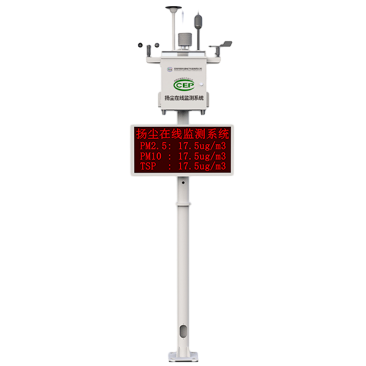
Dust particles in the air can have detrimental effects on human health, ecosystems, and climate. Dust online monitoring systems are designed to provide real-time data on dust levels in various environments, enabling stakeholders to take informed actions. These systems employ advanced sensors and data analytics to measure particulate matter (PM) concentrations and other dust-related indicators. As awareness of air quality increases, understanding how to measure the success of these systems becomes crucial.
2. Importance of Dust Monitoring
Effective dust monitoring plays a pivotal role in safeguarding public health and the environment. Here are a few reasons why dust monitoring is essential:
1. **Health Protection**: High levels of dust can lead to respiratory diseases, cardiovascular problems, and other health issues. Monitoring helps identify pollution hotspots and protect vulnerable populations.
2. **Environmental Management**: Dust impacts soil quality and vegetation. Monitoring allows for better management of environmental resources and supports conservation efforts.
3. **Regulatory Compliance**: Organizations must adhere to air quality standards. Dust monitoring systems assist in maintaining compliance, avoiding penalties, and promoting corporate responsibility.
4. **Public Awareness**: By sharing real-time data with the public, organizations can enhance awareness about air quality and encourage community engagement in environmental protection.
3. Key Metrics for Dust Online Monitoring
To evaluate the effectiveness of dust online monitoring systems, several key metrics are pivotal. These metrics provide insights into performance, data quality, and overall success.
3.1 Data Accuracy and Precision
Data accuracy refers to how close the measured values are to the actual dust levels. High accuracy is crucial for making reliable decisions based on the data collected. Precision, on the other hand, indicates the consistency of measurements over repeated trials. Both accuracy and precision are vital for ensuring that monitoring systems provide trustworthy data. Regular calibration of sensors and validation against reference standards can enhance data accuracy.
3.2 Real-Time Data Analysis
One of the primary advantages of online monitoring systems is the ability to analyze data in real time. This feature enables stakeholders to respond promptly to dust events, mitigating health risks and environmental impacts. Metrics for assessing real-time analysis include data latency (the delay between data acquisition and presentation) and the frequency of data updates. Short latency and frequent updates are indicative of a well-functioning system.
3.3 Response Time to Dust Events
The speed at which a monitoring system can detect and report on sudden increases in dust levels is a critical metric. This response time can be measured in seconds or minutes and is essential for timely interventions. For instance, if a construction site generates unexpected dust, a quick response can help implement dust suppression measures to protect nearby communities.
3.4 Data Visualization Tools
Effective data visualization tools are essential for translating raw data into actionable insights. Metrics for assessing the quality of visualization include user accessibility, clarity of information presented, and the ability to customize views based on user needs. High-quality visualizations enable stakeholders to make informed decisions quickly and understand trends over time.
4. Regulatory Compliance and Reporting
Adhering to local and international air quality regulations is a significant aspect of dust monitoring. Metrics for measuring compliance include the percentage of time that monitored dust levels fall within acceptable limits and the frequency of reports generated for regulatory authorities. Accurate reporting not only supports transparency but also builds trust with the community and stakeholders.
5. Case Studies: Success Stories of Dust Monitoring
Examining real-world applications of dust monitoring systems can provide valuable insights into best practices and successful implementations:
- **Construction Sites**: A major construction company implemented a dust monitoring system that provided real-time data to site managers. By analyzing data trends, the company reduced dust emissions by 30% through proactive dust suppression techniques.
- **Urban Areas**: In a metropolitan area, local authorities deployed a network of dust monitoring stations. The data collected was used to develop public awareness campaigns, resulting in a 20% reduction in outdoor activities on high pollution days, significantly improving public health outcomes.
These case studies illustrate the tangible benefits of effective dust monitoring systems in different contexts.
6. Challenges in Dust Measurement and Monitoring
Despite the advancements in dust monitoring technology, several challenges remain:
1. **Sensor Limitations**: Some sensors may struggle to detect fine particulate matter accurately. Investing in high-quality sensors is essential.
2. **Data Overload**: With the influx of data generated, organizations may face challenges in analyzing and interpreting the information effectively.
3. **Maintenance and Calibration**: Regular maintenance and calibration of monitoring equipment are necessary to ensure data accuracy, which can be resource-intensive.
Addressing these challenges requires ongoing investment and commitment to improving dust monitoring practices.
7. Future Trends in Dust Monitoring Technology
The future of dust monitoring is likely to be shaped by several emerging trends:
- **Integration with IoT**: The Internet of Things (IoT) will enhance dust monitoring systems by enabling devices to communicate and share data seamlessly, leading to more comprehensive environmental assessments.
- **AI and Machine Learning**: These technologies can analyze large datasets to identify patterns and predict dust events, allowing for proactive measures.
- **Crowdsourced Data**: Engaging communities to contribute data via mobile applications can expand the reach and effectiveness of monitoring efforts.
These trends indicate a promising future for dust monitoring, where technology continues to play a pivotal role in environmental management.
8. Frequently Asked Questions (FAQs)
**Q1: What is a dust online monitoring system?**
A dust online monitoring system is a technology designed to measure and report dust levels in real time, using sensors to provide accurate data on particulate matter concentrations.
**Q2: Why is dust monitoring important?**
Dust monitoring is crucial for protecting public health, ensuring regulatory compliance, and managing environmental impacts associated with dust pollution.
**Q3: How often should dust monitoring systems be calibrated?**
Regular calibration is recommended based on manufacturer guidelines and environmental conditions, but a common practice is to calibrate every six months.
**Q4: What types of metrics are used to evaluate dust monitoring success?**
Key metrics include data accuracy, real-time analysis capability, response time to dust events, and the effectiveness of data visualization tools.
**Q5: How can communities benefit from dust monitoring systems?**
Communities can benefit through increased awareness of air quality, improved public health outcomes, and enhanced engagement in local environmental initiatives.
9. Conclusion
Measuring success in dust online monitoring systems is not solely about collecting data but understanding and interpreting it through meaningful metrics. By focusing on accuracy, real-time analysis, response times, and effective visualization, stakeholders can ensure that these systems deliver valuable insights for protecting health and the environment. As technology continues to evolve, the future of dust monitoring holds immense potential for improving air quality management strategies worldwide. With the right metrics in place, organizations can truly measure their success in combating dust pollution and fostering healthier communities.
Related Info
Combustible gas alarm maintenance
2020-07-03
2021-01-14




WhatsApp: