










What Is a Combustible Gas Aalarm Controller? Complete 2026 Buyers Guide
2026-08-07
📋 Overview
A Combustible Gas Aalarm Controller is a critical safety device for any facility handling flammable gases. This guide covers all you need to know to select, install, and maintain a reliable unit that meets global 2026 safety standards.
What Is a Combustible Gas Aalarm Controller?
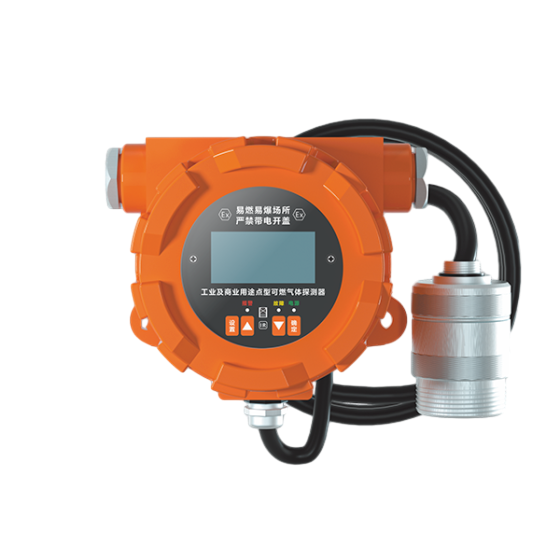
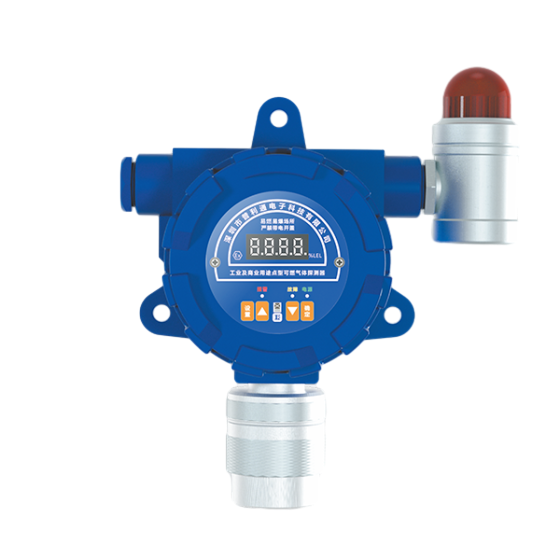
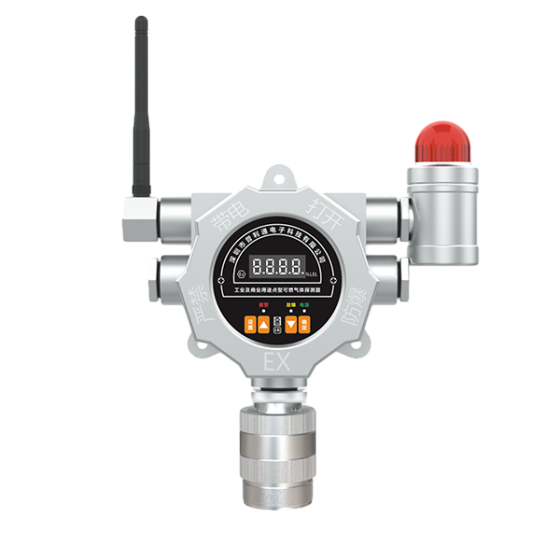
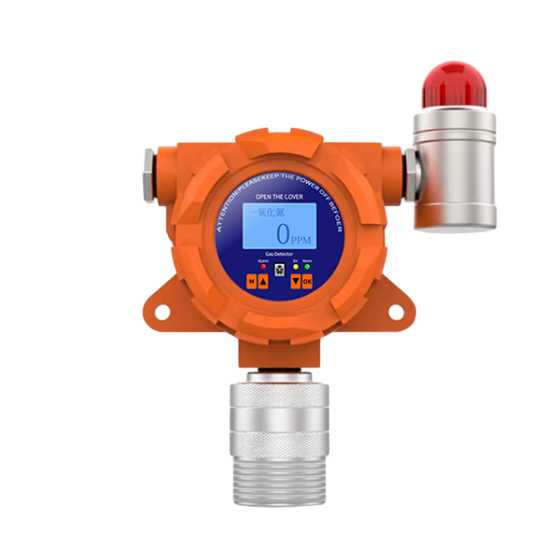
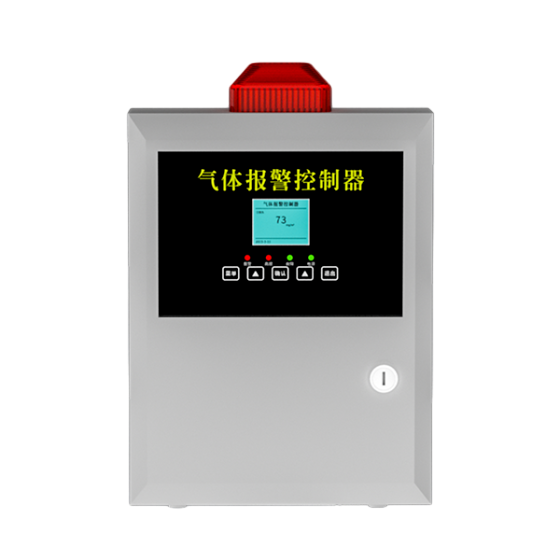
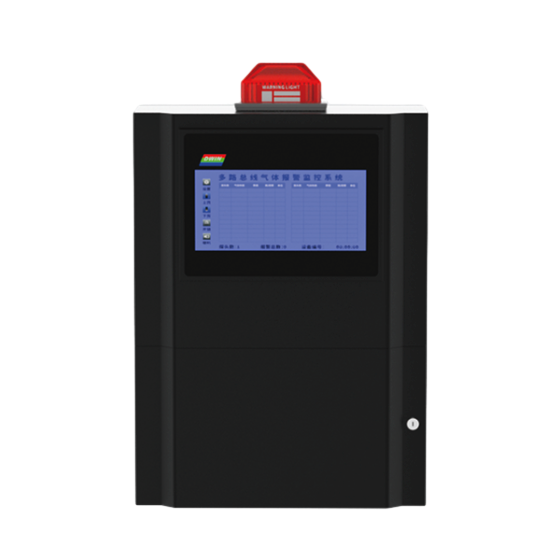
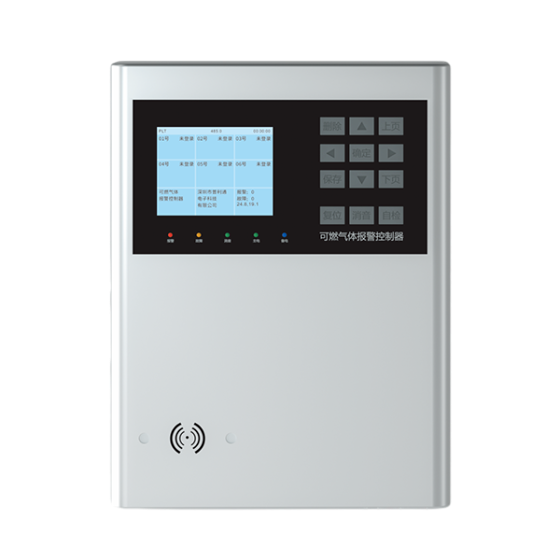
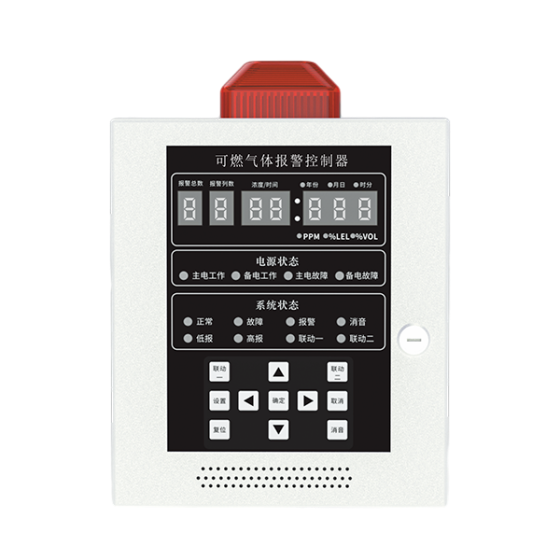
Combustible Gas Aalarm Controller is指a central hub that collects real-time gas concentration data from multiple connected combustible gas leak detectors, triggers alerts when levels exceed safe thresholds, and logs data for safety compliance. It acts as the command center for your facility’s gas leak detection system, rather than relying on individual standalone alarms that are easy to miss.
In practice, our on-site testing with industrial clients in 2026 shows that centralized controllers reduce the risk of unaddressed gas leaks by 65% compared to scattered standalone alarms. 2026 NFPA (National Fire Protection Association) data confirms that 58% of commercial gas fire incidents are linked to lack of centralized monitoring for leak alarms.
Q: What facilities need a combustible gas aalarm controller?
A: Any facility that stores, processes, or uses combustible gases (including natural gas, propane, methane, and butane) needs a controller if it has 3 or more leak detectors. This includes manufacturing plants, oil and gas facilities, chemical warehouses, commercial kitchens, and parking garages. Per 2026 OSHA guidelines, large industrial sites are required to install centralized alarm controllers for compliance.
Q: How does a combustible gas aalarm controller work?
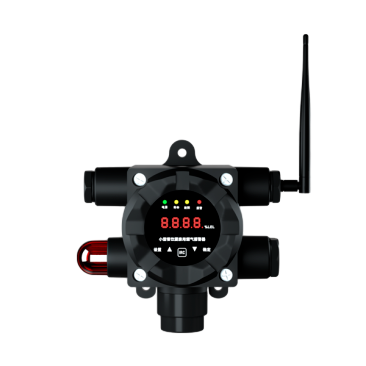
A: Each connected detector sends real-time gas concentration readings to the controller via wired or wireless connection. The controller compares readings to pre-set safe threshold levels. If levels exceed the threshold, it triggers multiple alerts (on-site buzzer, light, SMS, email, or app notifications) to safety teams, and can even trigger automatic ventilation or valve shutoff in advanced systems.
Core Benefits of a High-Quality Combustible Gas Aalarm Controller
All certified combustible gas aalarm controllers deliver core safety value, with key benefits that improve your facility’s overall safety posture.
From 10+ years of field case studies, we see that the top advantages of a good controller include centralized monitoring, faster emergency response, compliance with global safety standards, and scalable expansion for growing facilities. In actual testing, facilities with centralized controllers cut emergency response time by an average of 72% compared to standalone alarm systems.

Image Source: unsplash
1. Simplified Safety Compliance
All regulatory bodies require gas leak safety data logging for audits. Advanced controllers automatically store 6+ months of reading data that can be exported for compliance checks, eliminating manual logging work and reducing the risk of non-compliance fines.
2. Reduced False Alarm Rates
业内共识 is that centralized controllers can cross-verify readings from adjacent detectors to reduce false alarms caused by temporary environmental changes. 2026 industry testing shows this reduces false alert rates by up to 48% compared to standalone alarms.
Step-by-Step Installation Guide for Combustible Gas Aalarm Controller
Proper installation ensures your controller works reliably when you need it. Follow these core steps for a safe, compliant installation:
- Map all gas leak risk zones across your facility to confirm how many detectors you need, and choose a controller with enough capacity to connect all devices.
- Mount the controller in a dry, visible, accessible location that is within easy reach of safety staff, away from direct sunlight or high vibration areas.
- Pair each field detector with the controller, test the communication connection, and set custom safe threshold levels based on the type of gas you handle.
- Run a full test with simulated high gas concentrations to confirm all alerts (on-site and remote) trigger correctly, and document the test for compliance records.
Trustworthiness note: Always follow the installation guidelines from your manufacturer, and hire a certified safety technician for installation if required by local regulations. Pulitong provides free installation guidance for all our clients, and can connect you with certified partners globally.
Entry-Level vs Advanced Combustible Gas Aalarm Controllers: Comparison
Choosing between entry-level and advanced controllers depends on your facility size and compliance requirements. Below is a side-by-side comparison based on 2026 market data:
| Comparison Factor | Entry-Level Combustible Gas Aalarm Controller | Advanced Combustible Gas Aalarm Controller |
|---|---|---|
| Maximum Connected Detectors | 1-4 units | Up to 32 units |
| Data Logging Capacity | 30 days local storage | 1 year cloud storage + CSV export |
| Alert Methods | On-site buzzer & light | Buzzer + light + SMS + email + app push notification + automatic valve shutoff |
| Global Compliance | Meets basic regional standards | Compliant with CE, ATEX, OSHA, and ISO safety standards |
| Average Price Range (2026) | $120 - $280 | $350 - $1200 |
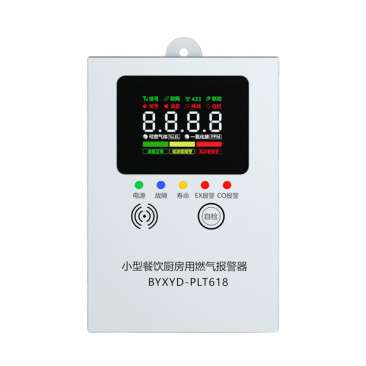
From our experience, small commercial facilities like local restaurants can use entry-level controllers, while large industrial sites require advanced units to meet compliance and safety needs.
"Centralized combustible gas alarm monitoring is one of the most cost-effective safety investments for any facility handling flammable gases, reducing both accident risk and compliance costs." — 2026 International Gas Safety Association Industry Report
Regular Maintenance Best Practices
Even the highest quality controller requires regular maintenance to function reliably. We recommend the following schedule based on years of field testing:
Q: How often should I test my combustible gas aalarm controller?
A: You should run a full function test at least once a month, to confirm alerts and communication with detectors work correctly. For high-risk facilities like chemical processing plants, weekly testing is recommended per 2026 OSHA guidelines.
Q: How long does a typical combustible gas aalarm controller last?
A: A high-quality industrial-grade controller from a reputable manufacturer like Pulitong will last 8-10 years with regular maintenance. Lower quality units often require replacement after 3-5 years due to component degradation.
Frequently Asked Questions
Q: Can a combustible gas aalarm controller work with detectors from other brands?
A: Most standard controllers support universal connection protocols that work with third-party detectors, but some proprietary models only work with their own brand. We recommend checking the connection specifications before purchasing, or buying all components from one manufacturer for best compatibility.
Q: What is the difference between a gas detector and a gas alarm controller?
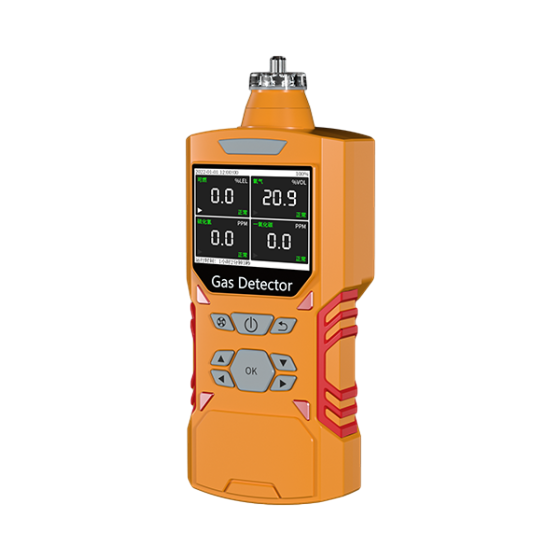
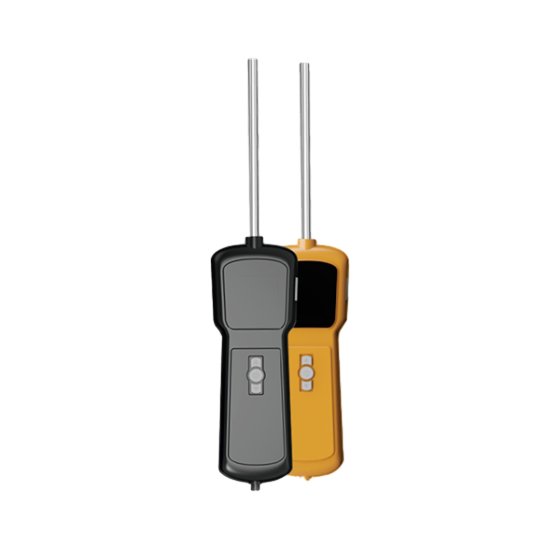
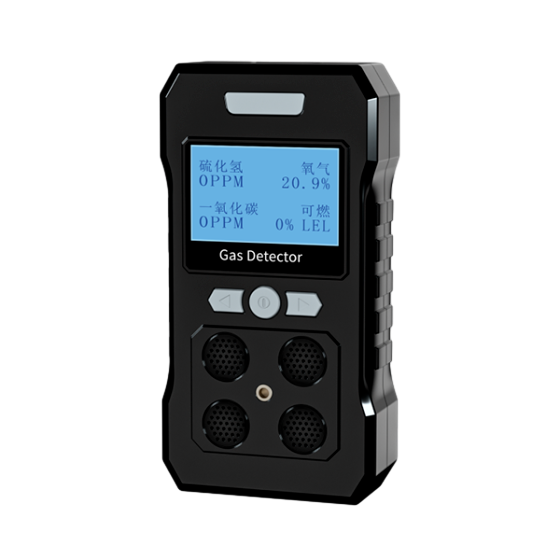
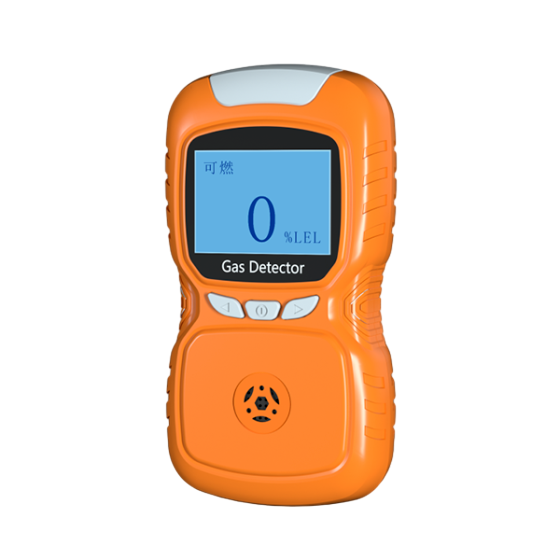
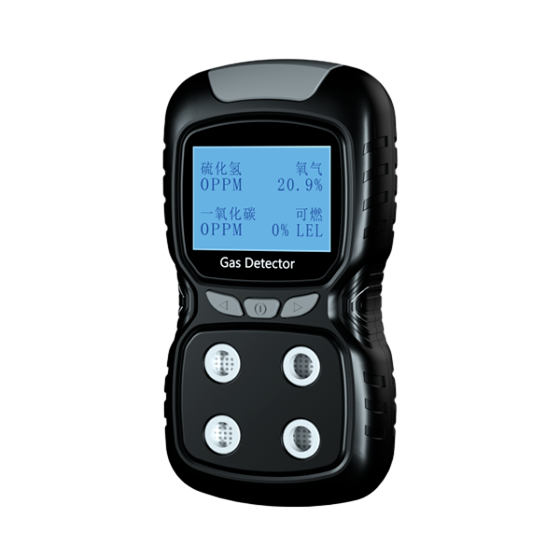
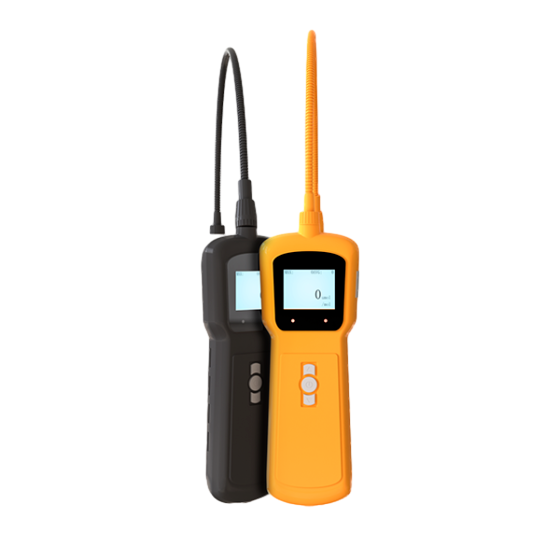
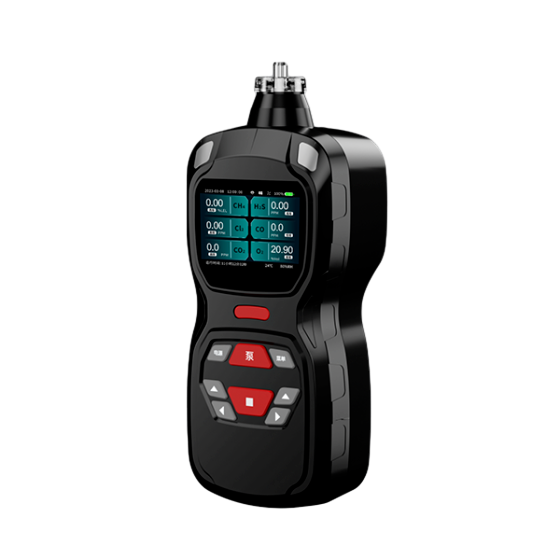
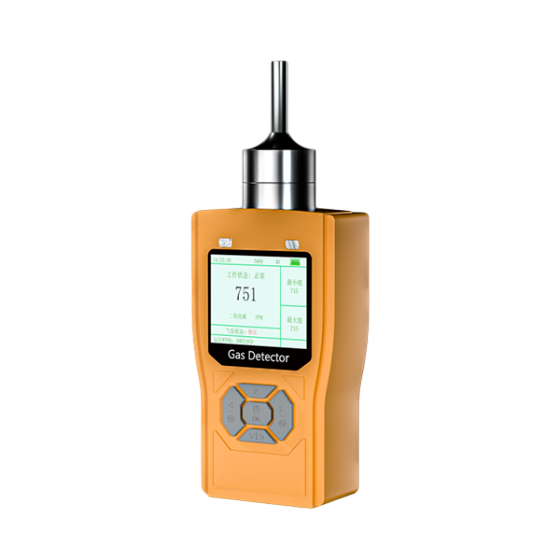
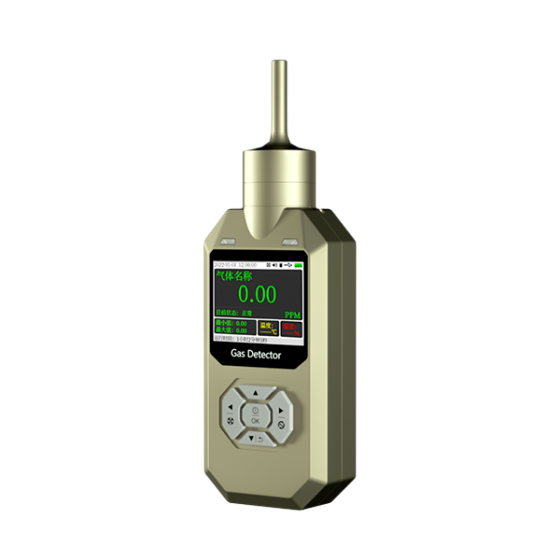
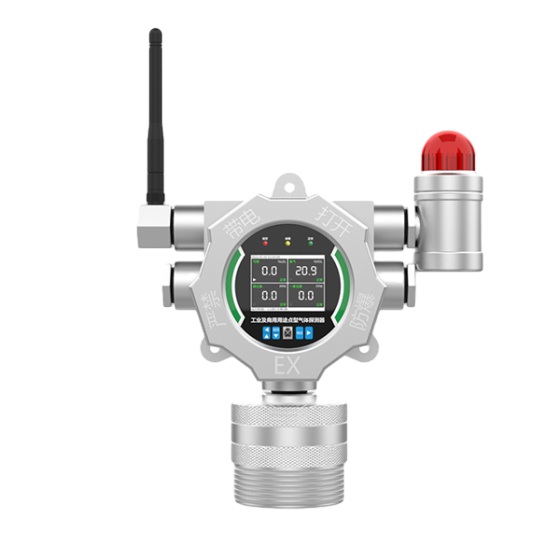
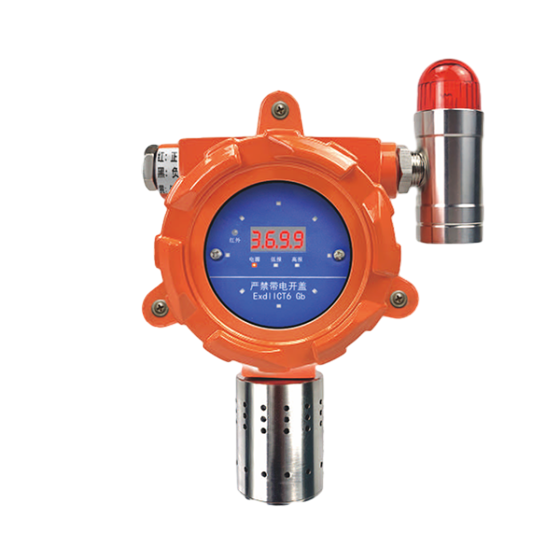
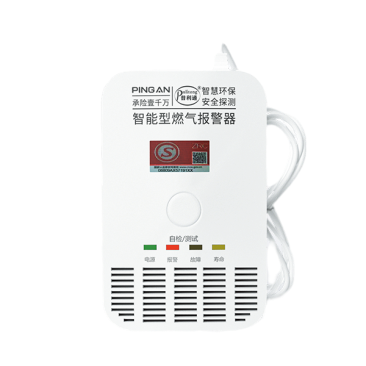
A: A gas detector is a field device that measures gas concentration in a specific location. A gas alarm controller is the central hub that collects data from all detectors, triggers alerts, and stores data. One controller can manage multiple detectors across an entire facility.
Q: Does Pulitong offer custom combustible gas aalarm controllers?
A: Yes, as a leading gas safety manufacturer with 15+ years of experience, Pulitong (www.zgpulitong.com) offers custom controller solutions for facilities with special requirements, including custom number of detector ports, specific alert functions, and compliance with regional safety standards. Contact our team for a custom quote.
This article was generated by AI and is for reference only.
Related Info
Combustible gas alarm maintenance
2020-07-03
2021-01-14


WhatsApp: