










Understanding the Functionality and Importance of Negative Ion Detectors in Environmental Monitoring
2026-07-12
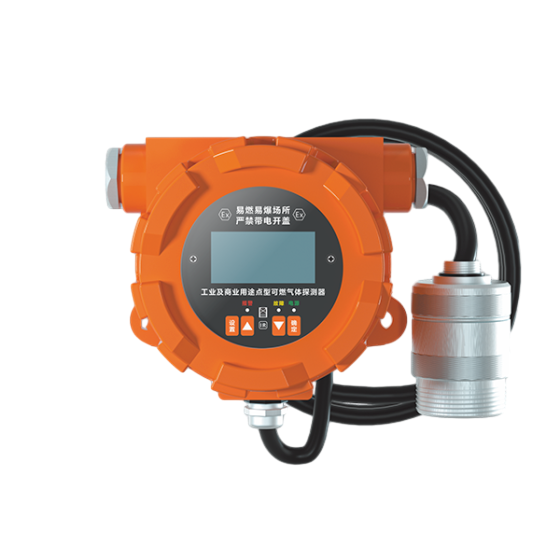
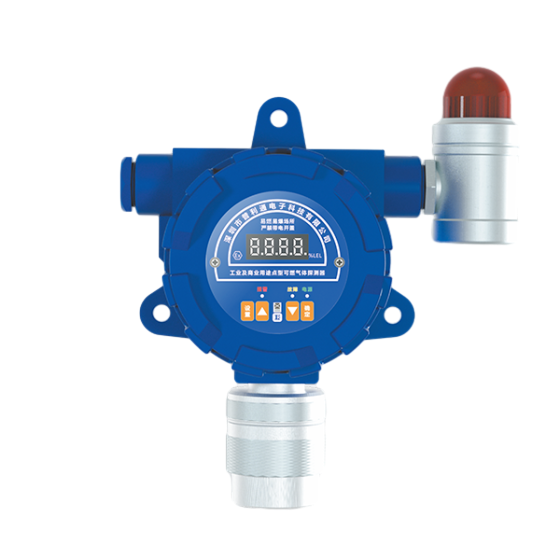
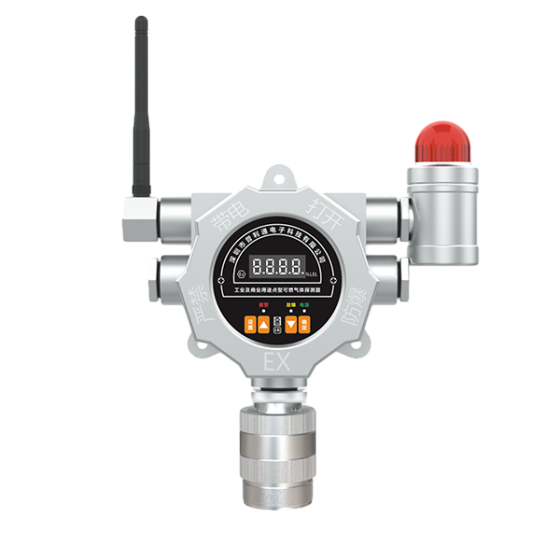
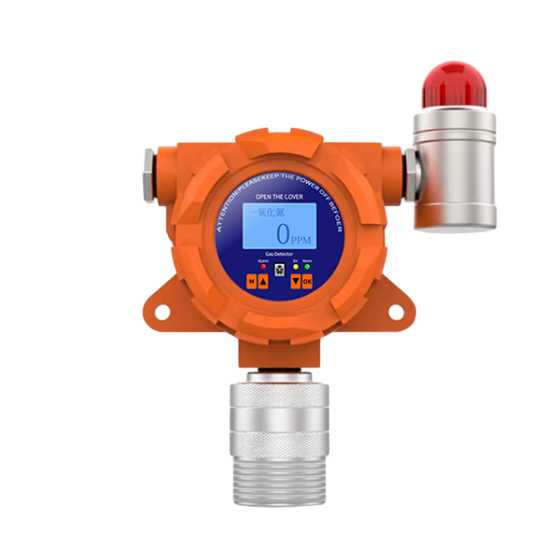
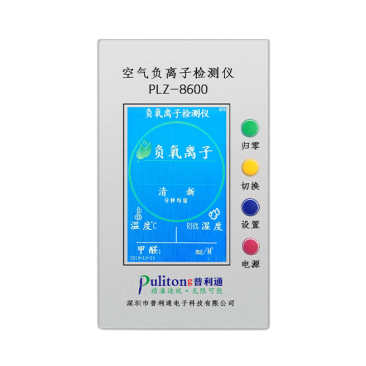
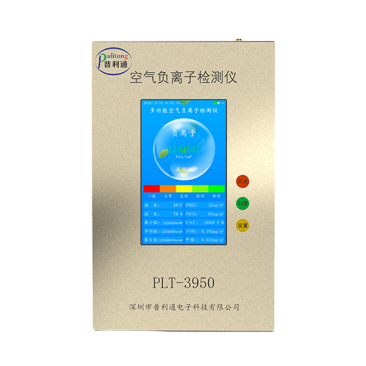
Negative Ion Detectors play a pivotal role in environmental monitoring, particularly in assessing air quality. These specialized instruments are designed to measure the concentration of negative ions in the atmosphere, which can significantly influence air quality and overall environmental health. Understanding how these detectors operate and their importance can provide valuable insights into improving living conditions in various settings, from urban environments to indoor spaces.
At its core, a Negative Ion Detector works by quantifying the number of negatively charged ions present in the air. Negative ions are molecules that have gained an extra electron, making them negatively charged. They are naturally produced by various environmental factors, including sunlight, lightning, and the movement of water. Research suggests that higher concentrations of negative ions can lead to enhanced air quality, potentially improving respiratory health and overall well-being.
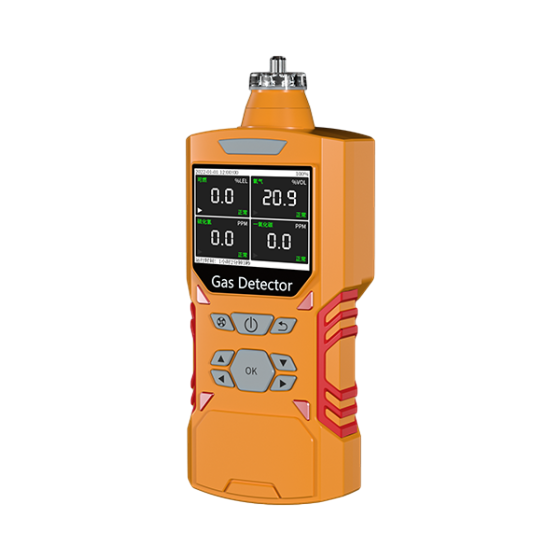
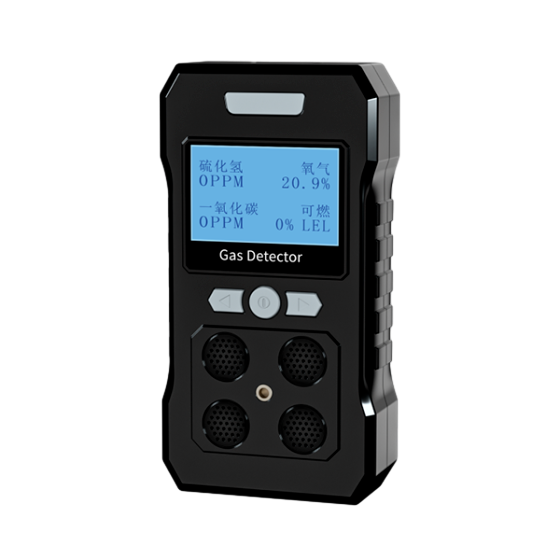
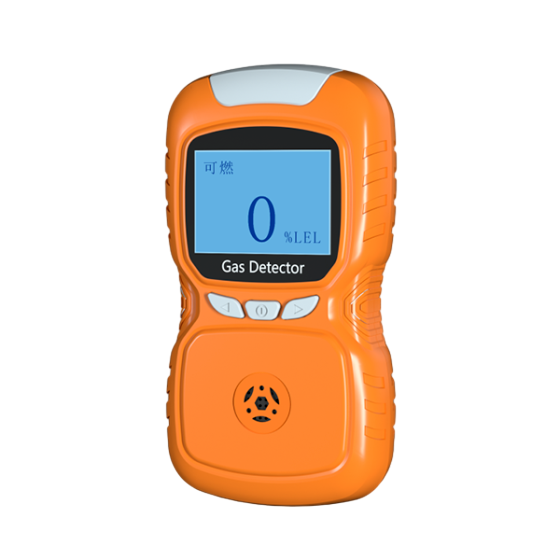
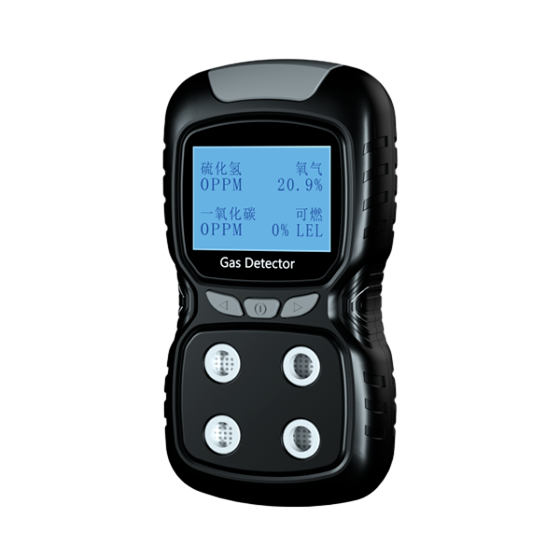
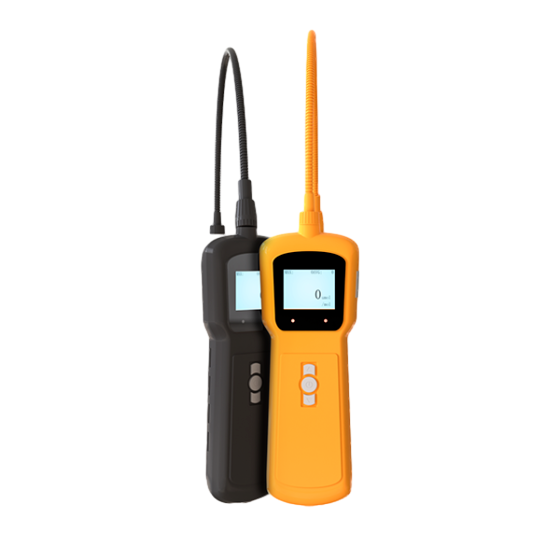
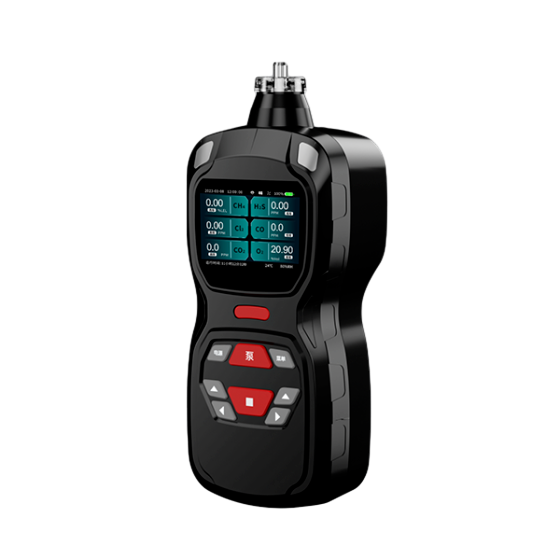
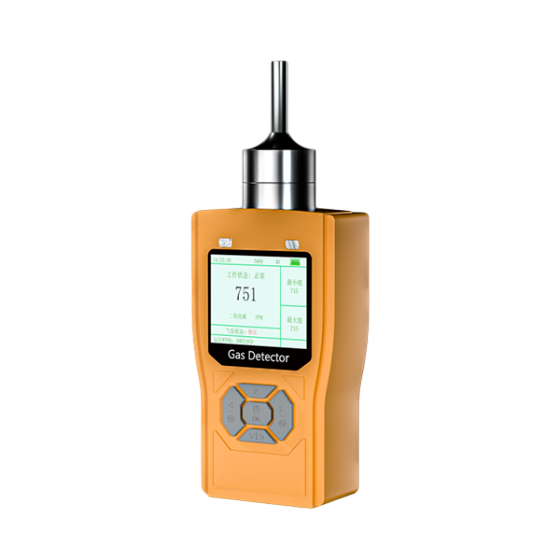
The operational principle of a Negative Ion Detector typically involves ionization processes where air samples are drawn into the device. The detector utilizes sensors to capture and count the negative ions present. The data collected can be displayed in real-time, providing crucial information for both researchers and environmental professionals. This real-time monitoring capability is vital for understanding air quality dynamics, particularly in urban areas where pollutants may fluctuate significantly.
In the context of environmental detection instruments, the relevance of Negative Ion Detectors extends beyond mere measurement. They can serve as indicators of air quality, allowing for timely responses to pollution events. For instance, when negative ion concentrations are low, it may signal a higher presence of pollutants, prompting further investigation and remediation efforts. Moreover, the data harvested can assist in developing strategies for air quality management and public health initiatives.
The applications of Negative Ion Detectors are vast. They are increasingly used in various fields, including indoor air quality assessments, occupational health studies, and environmental research. These detectors can be particularly beneficial in settings such as hospitals, schools, and offices, where air quality directly impacts health and productivity. By integrating Negative Ion Detectors into environmental monitoring protocols, organizations can make informed decisions that enhance the welfare of occupants and the surrounding ecosystem.
In conclusion, Negative Ion Detectors are essential tools in the field of environmental monitoring. Their ability to measure negative ion concentrations provides critical insights into air quality and helps mitigate the effects of air pollution. As the world continues to grapple with environmental challenges, understanding and utilizing these instruments will be crucial for fostering healthier living and working environments. For professionals in the field, leveraging the capabilities of Negative Ion Detectors can lead to innovative solutions for sustaining air quality and promoting public health.
At its core, a Negative Ion Detector works by quantifying the number of negatively charged ions present in the air. Negative ions are molecules that have gained an extra electron, making them negatively charged. They are naturally produced by various environmental factors, including sunlight, lightning, and the movement of water. Research suggests that higher concentrations of negative ions can lead to enhanced air quality, potentially improving respiratory health and overall well-being.
The operational principle of a Negative Ion Detector typically involves ionization processes where air samples are drawn into the device. The detector utilizes sensors to capture and count the negative ions present. The data collected can be displayed in real-time, providing crucial information for both researchers and environmental professionals. This real-time monitoring capability is vital for understanding air quality dynamics, particularly in urban areas where pollutants may fluctuate significantly.
In the context of environmental detection instruments, the relevance of Negative Ion Detectors extends beyond mere measurement. They can serve as indicators of air quality, allowing for timely responses to pollution events. For instance, when negative ion concentrations are low, it may signal a higher presence of pollutants, prompting further investigation and remediation efforts. Moreover, the data harvested can assist in developing strategies for air quality management and public health initiatives.
The applications of Negative Ion Detectors are vast. They are increasingly used in various fields, including indoor air quality assessments, occupational health studies, and environmental research. These detectors can be particularly beneficial in settings such as hospitals, schools, and offices, where air quality directly impacts health and productivity. By integrating Negative Ion Detectors into environmental monitoring protocols, organizations can make informed decisions that enhance the welfare of occupants and the surrounding ecosystem.
In conclusion, Negative Ion Detectors are essential tools in the field of environmental monitoring. Their ability to measure negative ion concentrations provides critical insights into air quality and helps mitigate the effects of air pollution. As the world continues to grapple with environmental challenges, understanding and utilizing these instruments will be crucial for fostering healthier living and working environments. For professionals in the field, leveraging the capabilities of Negative Ion Detectors can lead to innovative solutions for sustaining air quality and promoting public health.
Related Info
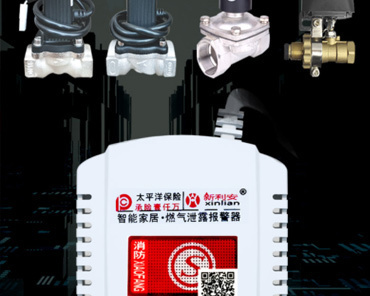
Combustible gas alarm maintenance
2020-07-03
2021-01-14





WhatsApp: