











APPLICATION
CASE
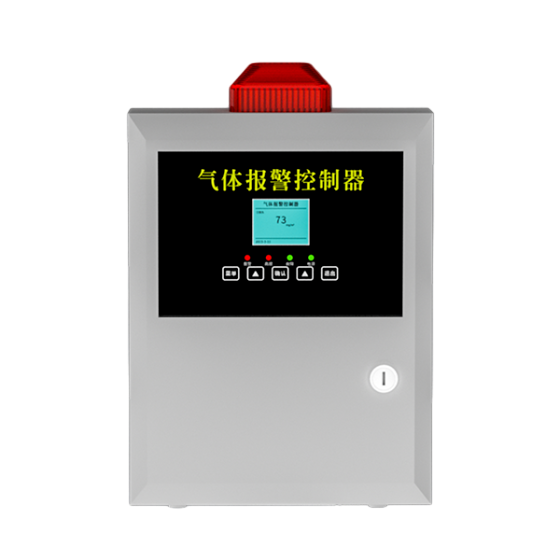
What do I need to pay attention to when installing a combustible gas alarm?
Release time:
2024-06-12


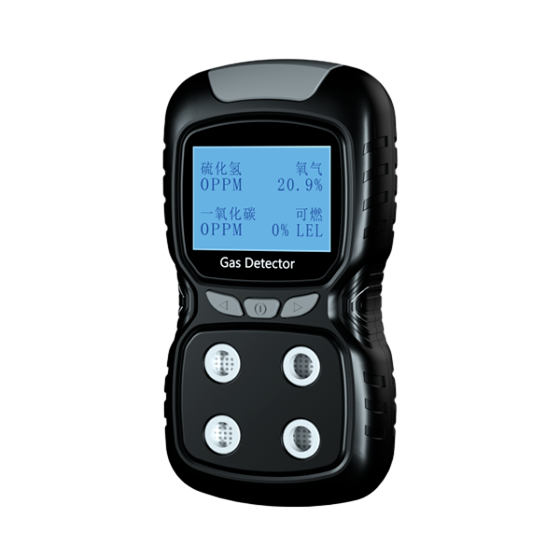
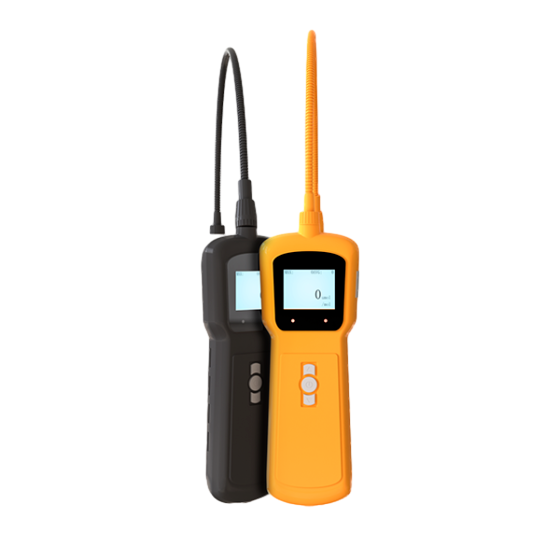
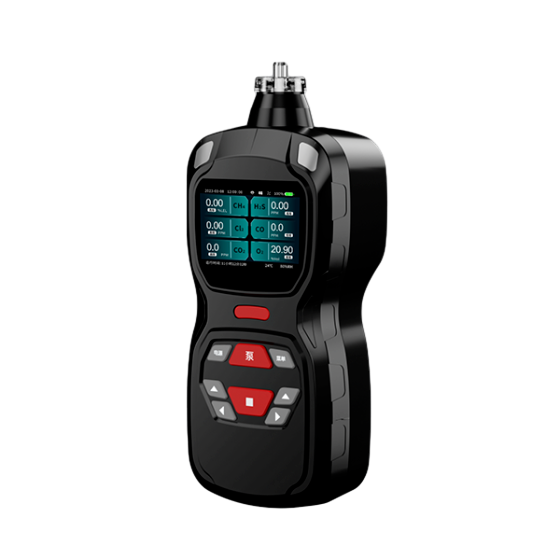
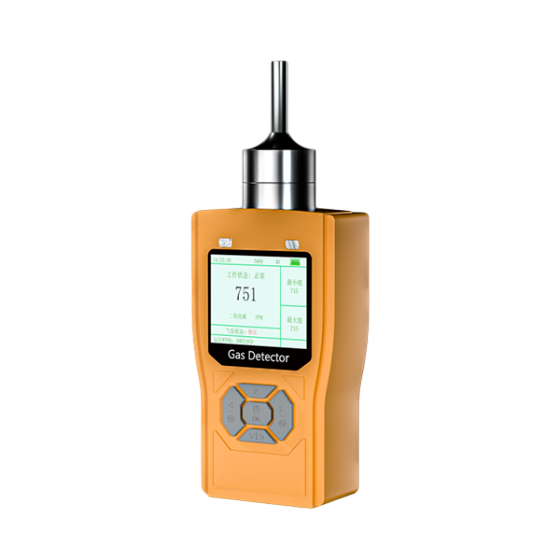
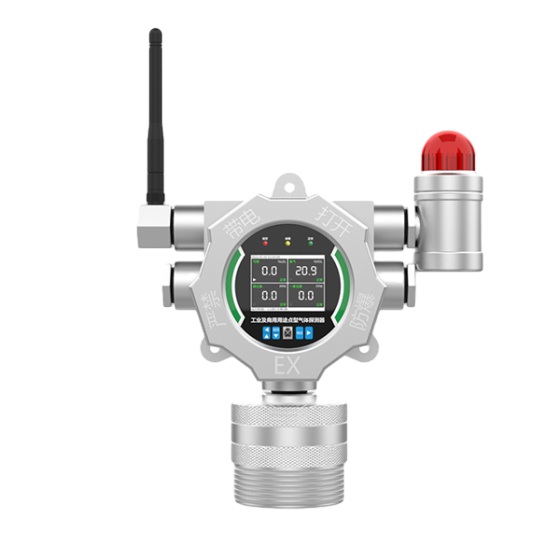
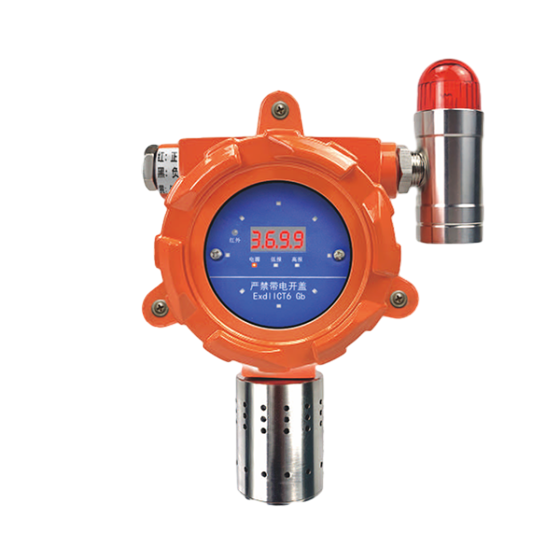
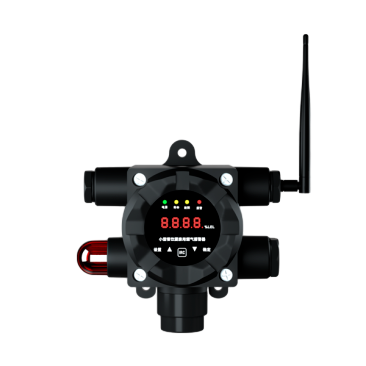
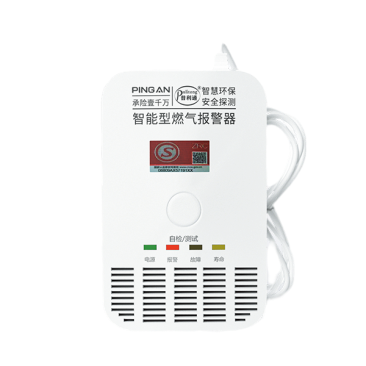
Combustible gas alarms are commonly used gas alarms for us, and because of the recent safety accidents, the detection of combustible gases has become particularly important. So what do we need to pay attention to when installing? Next, multi-security electronics and everyone to share.
Once the combustible gas alarm is installed at a fixed point, its position will not be easy to change. According to the work experience accumulated over the years, the following points should be considered for specific applications.
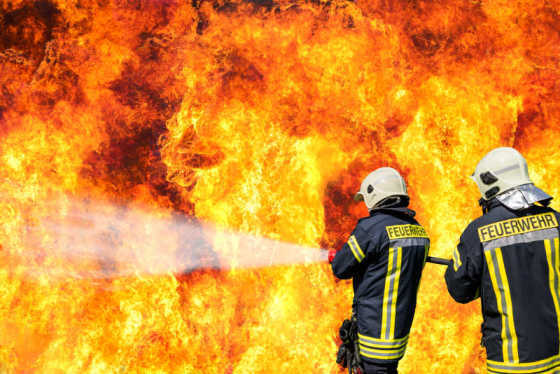
(1) Figure out what possible leakage points there are in the device to be monitored, analyse their leakage pressure, direction and other factors, and draw a distribution map of the probe locations, and classify them into three grades of Ⅰ, Ⅱ and Ⅲ according to the severity of the leakage.
(2) Judge the direction of combustible gas leakage when a large amount of leakage occurs based on specific factors such as the direction of airflow and wind direction of the place where it is located.
(3) According to the density of the leaking gas (greater or less than air), combined with the air flow trend, synthesised into a three-dimensional flow trend diagram of the leakage, and make an initial set-up plan at the downstream position of its flow.
(4) Study whether the leakage state of the leakage point is a micro-leakage or a jet. If it is a micro-leakage, the location of the set point should be closer to the leakage point. If it is a jet leak, it should be slightly away from the leak point. These conditions are combined to formulate a final site plan. In this way, the number and variety of purchases can be estimated.
(5) for the existence of large combustible gas leakage places, according to the relevant provisions of every 10-20m apart should be set up a detection point. For unmanned small and discontinuous operation of the pump room, need to pay attention to the possibility of combustible gas leakage, generally should be installed in the downwind of a detector.
(6) For places with hydrogen leakage, the detector should be installed in the plane above the leakage point.
(7) For media with a gas density greater than air, the detector should be installed on a plane below the leakage point and attention should be paid to the characteristics of the surrounding environment. For places where combustible gases tend to accumulate, special attention should be paid to the setting of safety monitoring points.
(8) for open combustible gas diffusion escape environment, if the lack of good ventilation, but also very easy to make a part of the air in the combustible gas content close to or reach the lower limit of the explosion concentration, these are not to be ignored safety monitoring points.


WhatsApp: